
Description
1. Product Overview
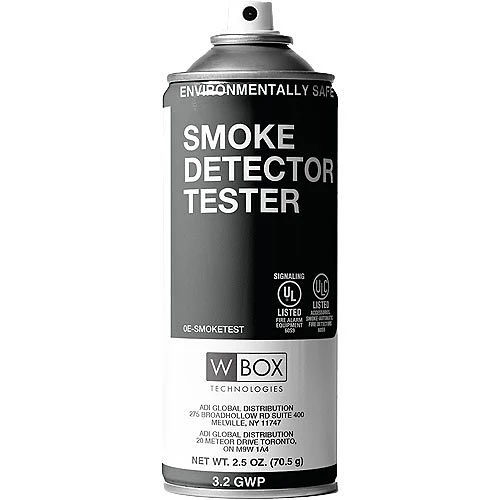
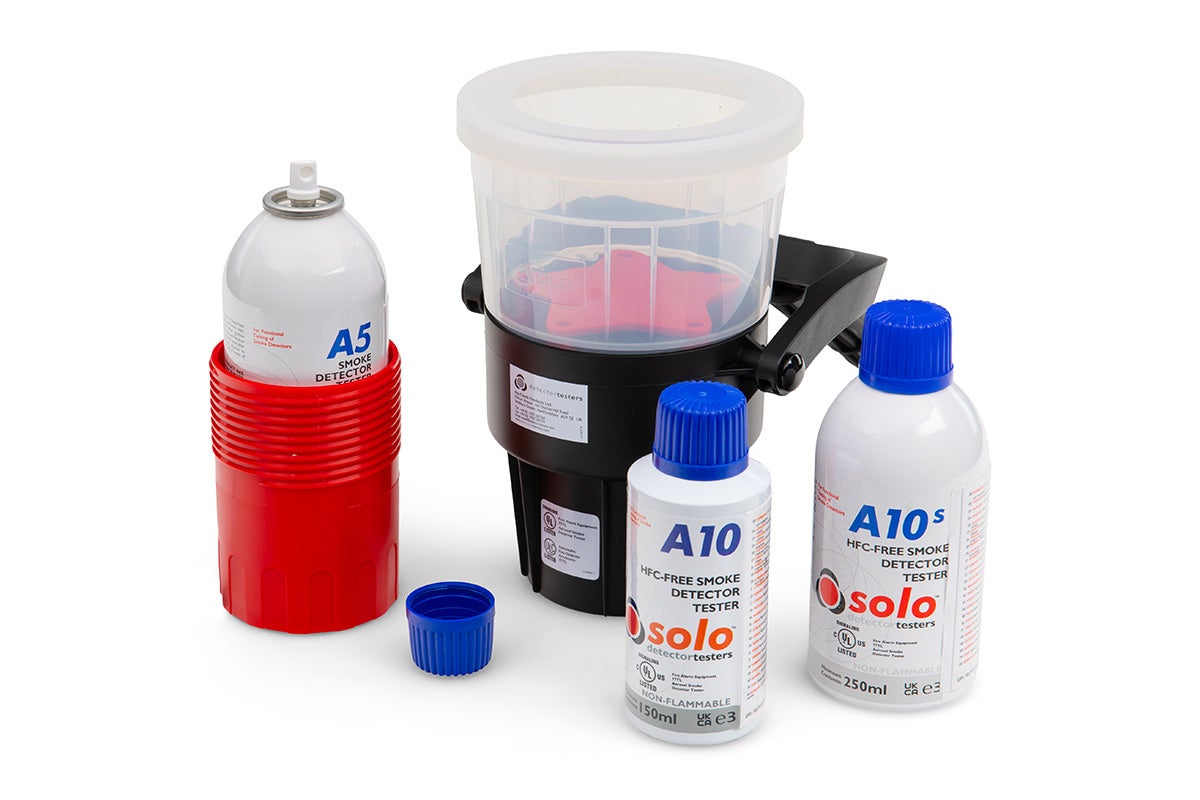
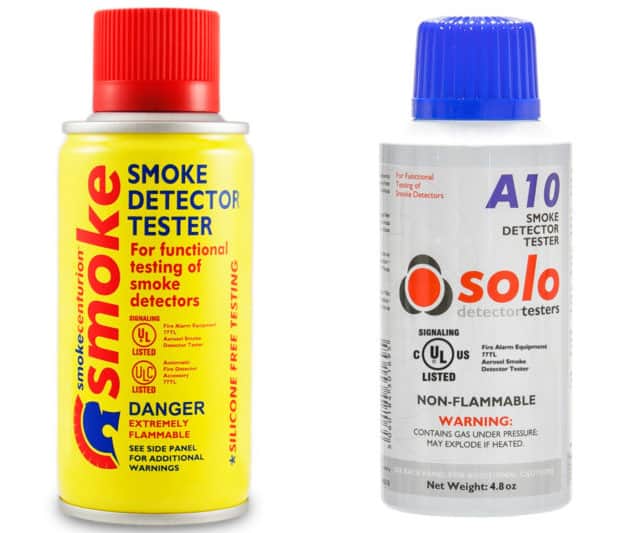
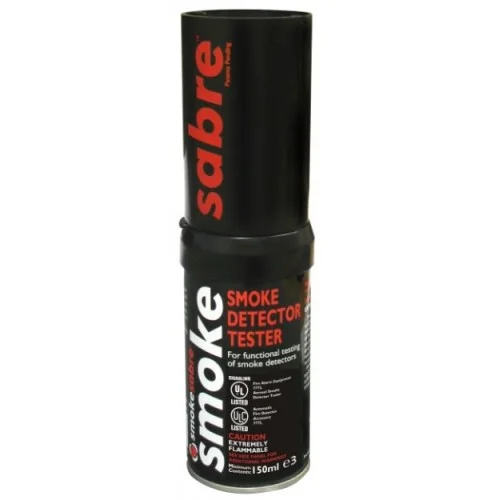
The Smoke Test Aerosol is a precision-engineered, non-toxic aerosol formulation designed for functional testing of smoke detection systems across industrial, commercial, and critical infrastructure environments. Its primary use is to simulate real smoke conditions to verify detector sensitivity, alarm activation, and airflow integrity in HVAC-linked fire systems. The key value proposition lies in its residue-free, UL-listed formulation that eliminates false alarm risks and post-test cleanup. Strategically, it is indispensable for regulatory compliance, life safety assurance, and minimizing operational downtime during mandatory system audits.
2. Key Specifications & Technical Characteristics
-
Chemical composition: Proprietary blend of pharmaceutical-grade glycols and deionized water; zero heavy metals, halogens, or oil-based carriers
-
Purity level: ≥99.9% volatile carrier; particulate mean diameter 0.3–0.5 microns (matches standard smoke detector response curve)
-
Physical characteristics:
-
Form: Pressurized aerosol
-
Color: Invisible vapor cloud upon dispersion
-
Particle size distribution: D90 ≤ 1.0 micron
-
Density (liquid phase): 1.02 g/cm³ at 20°C
-
-
Packaging options:
-
200 ml industrial-grade can (80–100 tests per can)
-
450 ml bulk can (200–250 tests)
-
5-can service kits with extension nozzle and calibration certificate
-
-
Shelf life: 36 months from manufacture date when stored at 0°C–40°C
3. Core Industrial Applications
-
Primary industries: Commercial real estate (high-rise office & hotel chains), data centers, pharmaceutical manufacturing, chemical plants, airports, metro systems, and hospitals
-
Specific use cases:
-
Functional testing of point-type smoke detectors (ionization & photoelectric)
-
Air-duct smoke detector validation in HVAC systems
-
Commissioning of aspirating smoke detection systems (e.g., VESDA)
-
Annual code compliance testing per NFPA 72, EN 54, and JIS standards
-
-
Performance vs. alternatives:
-
Compared to canned smoke oil or incense: zero oily residue on detector lenses → reduced false alarms and lower recalibration costs
-
Compared to combustion-based smoke pellets: no fire risk, no CO/CO₂ emissions, safe for occupied areas
-
-
Efficiency/cost advantage: 3-second activation per detector; 40% faster testing cycles vs. conventional methods; cuts technician labor costs by up to 30% per site audit
4. Competitive Advantages
-
Quality consistency: Batch-to-batch particle size controlled within ±0.05 microns; each can includes QR-coded certificate of analysis
-
Supply reliability: Three ISO 9001:2025 certified filling lines; 98% on-time in-full delivery rate across 50+ countries
-
Logistics capability: Stock hubs in Rotterdam, Houston, Shanghai, and Dubai → 48-hour express to any major port
-
Price competitiveness: Tiered pricing for fleet buyers (20+ cases) at 15–22% below market average for equivalent UL/EN-listed aerosols
-
Sustainability: Zero ozone-depleting propellants (HFO-1234ze); fully recyclable steel cans; complies with EU F-Gas Regulation 517/2014
-
Technical support: 24/7 access to test procedure guides, nozzle adapters for 40+ detector brands, and remote calibration validation service
5. Commercial & Supply Information
-
Minimum Order Quantity (MOQ): BULK 20 metric tons (MT)
(Equivalent to approx. 45,000 units of 450 ml cans, or 140 pallets) -
Loading capacity per container:
-
20 ft standard container: 20 MT (full container load)
-
40 ft high-cube container: 40 MT
-
-
Lead time for bulk order: 14 working days from receipt of LC or deposit
-
Packaging for bulk shipment: Master cartons of 24 cans → palletized and stretch-wrapped → fumigation-free plywood pallets

Reviews
There are no reviews yet.