
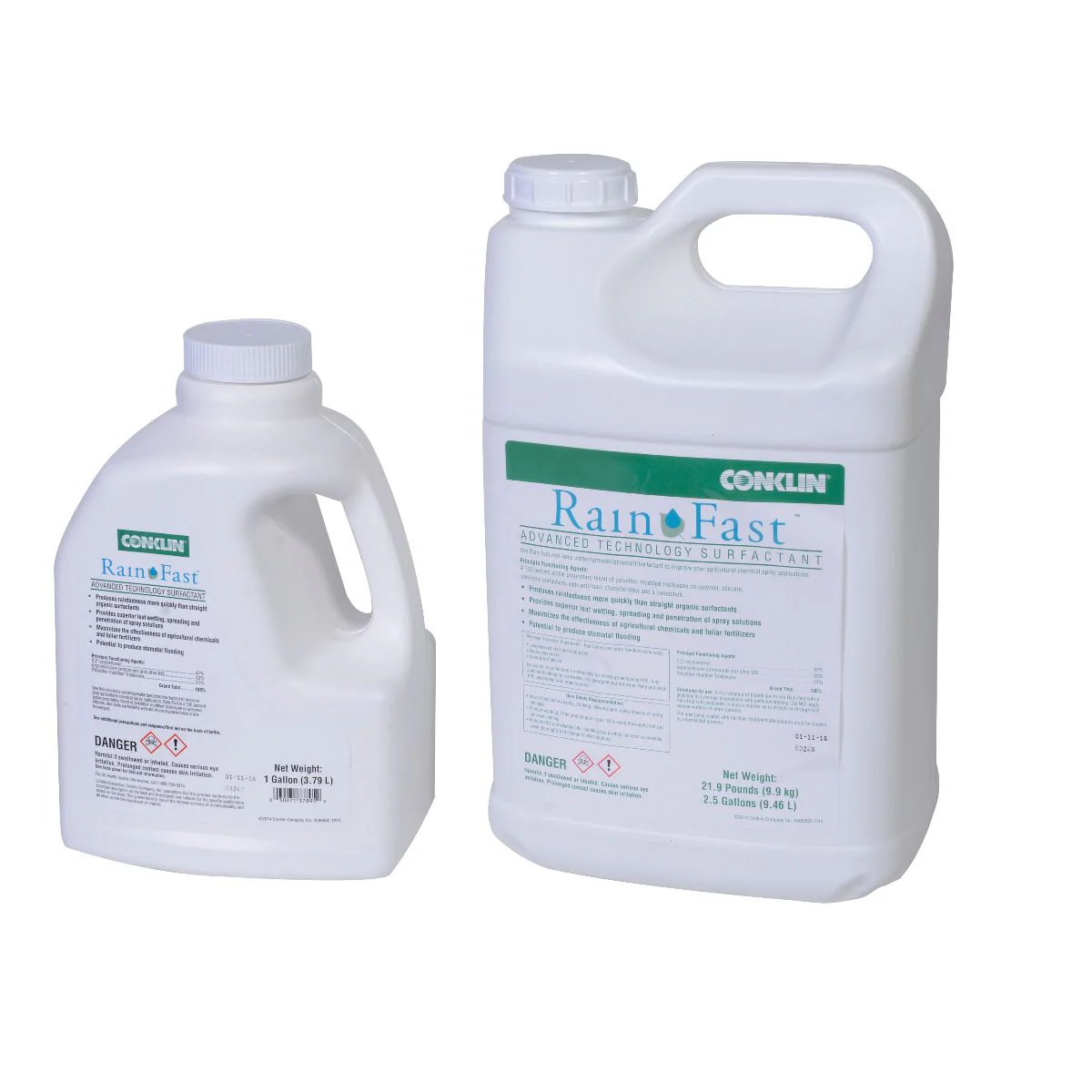
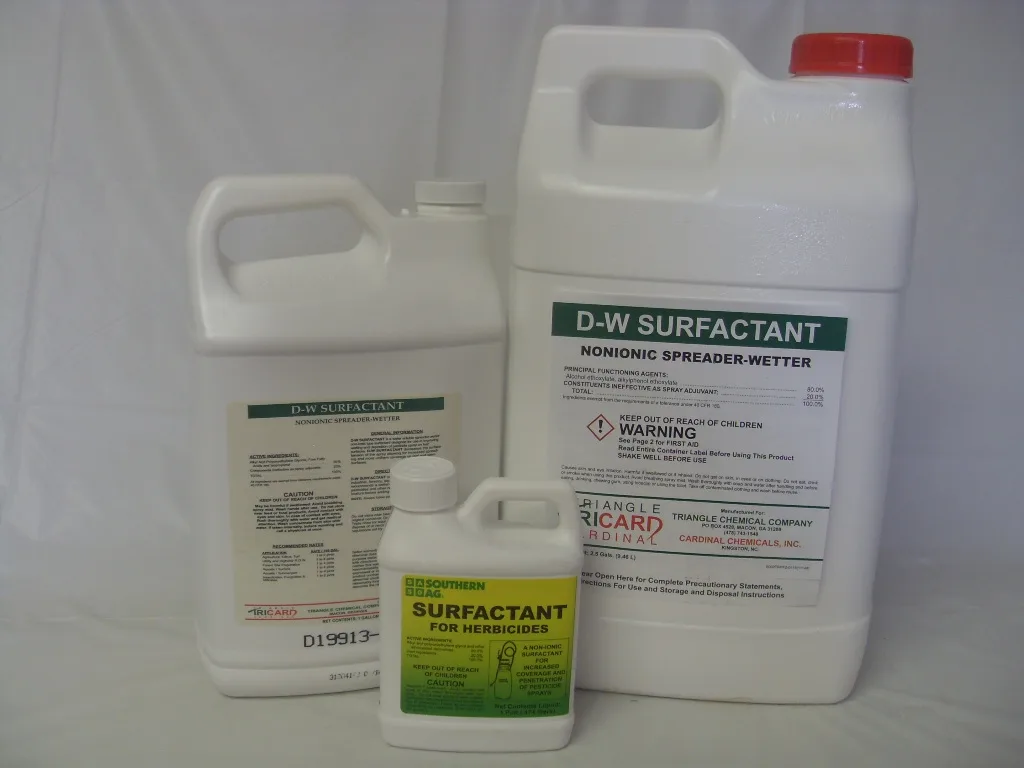
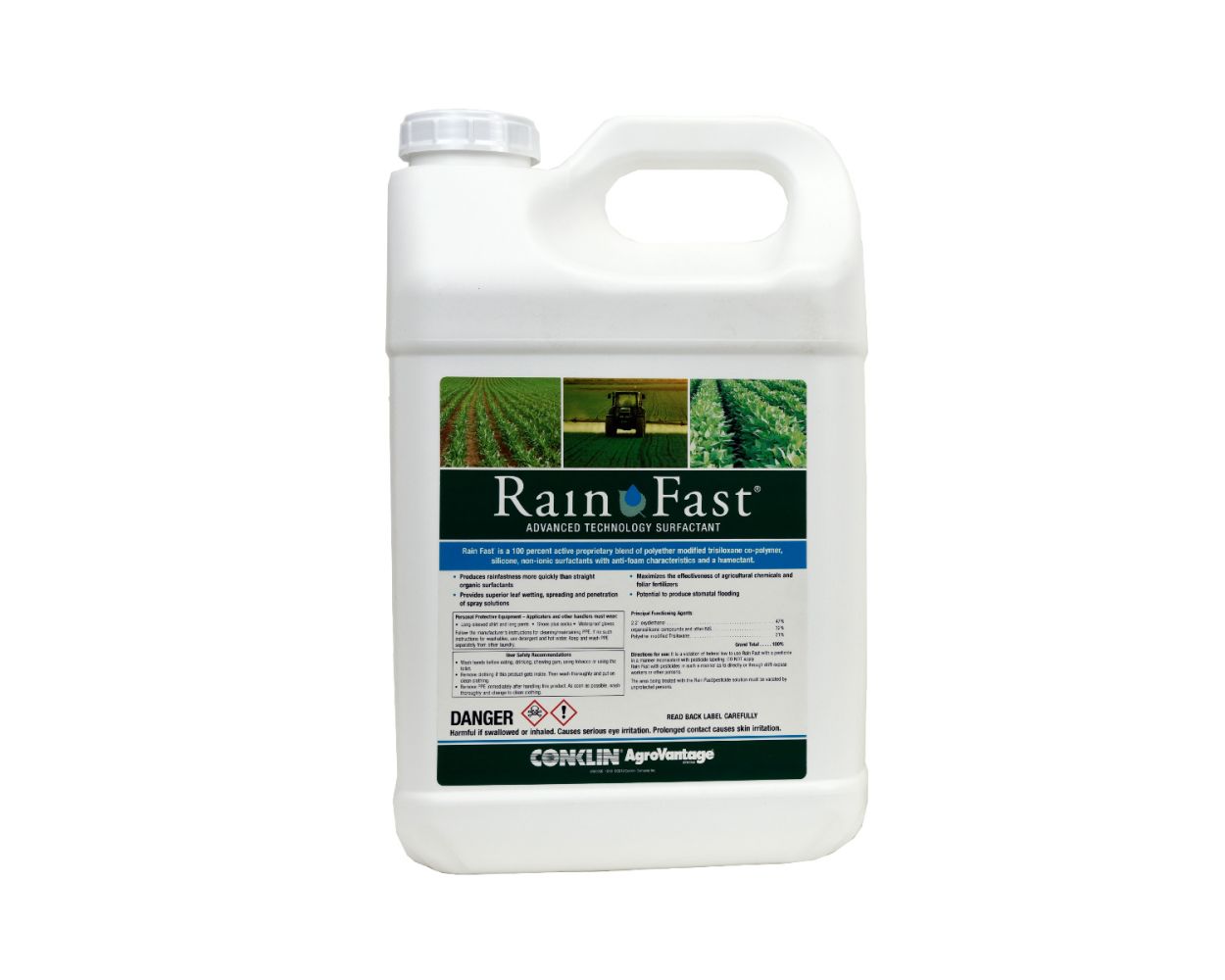
Description
1. Product Overview
This product is a high-performance anionic-nonionic surfactant blend specifically engineered for chemical Enhanced Oil Recovery (cEOR) applications. Its primary industrial use is as an injection fluid for mobilizing residual oil trapped in mature reservoirs, significantly reducing interfacial tension (IFT) between crude oil and reservoir rock. The key value proposition is its ability to deliver up to 98% IFT reduction (achieving ultra-low 10⁻³ mN/m) without requiring alkaline co-solvents, thereby preventing scaling and formation damage. Strategically, this agent is critical as global operators pivot from tertiary to quaternary recovery methods to economically extract the remaining 60–70% of original oil in place (OOIP).
2. Key Specifications & Technical Characteristics
-
Chemical composition: Proprietary blend of alkyl ether sulfates (AES) and alkyl polyglycosides (APG), stabilized with a sulfobetaine zwitterionic co-surfactant
-
Purity level: Active matter ≥ 85% (HPLC verified); water content ≤ 12%
-
Physical characteristics:
-
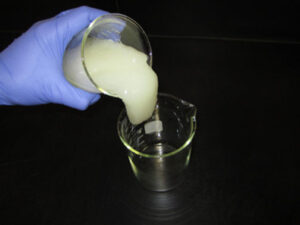
Form: Viscous, translucent amber liquid
-
Density: 1.05–1.09 g/cm³ @ 25°C
-
Viscosity: 350–450 cP @ 25°C
-
pH (1% solution): 7.2–7.8 (neutral)
-
Particle size: Molecular weight distribution < 500 Daltons for reservoir permeability > 50 mD
-
-
Packaging options: 200 L steel drums (net 210 kg), 1,000 L IBC totes (net 1,050 kg), or isotanks (20 MT)
-
Shelf life: 24 months in sealed, original container between 5°C–40°C; no salting-out or phase separation
3. Core Industrial Applications
-
Primary industries: Onshore and offshore oil & gas operators; independent mature-field developers; oilfield chemical service companies
-
Specific use cases:
-
Post-waterflood tertiary recovery in sandstone and carbonate reservoirs (salinity up to 150,000 ppm TDS, hardness up to 10,000 ppm Ca²⁺/Mg²⁺)
-
Low-salinity surfactant flooding (2,000–5,000 ppm injected brine) for clay-sensitive formations
-
Hybrid EOR (surfactant-polymer or surfactant-nanoparticle) floods
-
-
Performance advantage vs. alternatives: Unlike petroleum sulfonates that precipitate in high-hardness brines, this agent remains soluble and active. It achieves target IFT within 48 hours post-injection vs. 7–10 days for conventional nonionics. Cost advantage: 22% lower required concentration (0.1–0.3% PV vs. 0.5–0.8% PV for generic blends), yielding 15–20% incremental recovery factor at 30–40% lower chemical cost per barrel.
4. Competitive Advantages
-
Quality consistency: ISO 9001:2024 certified batch traceability; each lot validated for IFT (spinning drop tensiometer) and adsorption loss (<0.5 mg/g rock on Berea sandstone)
-
Supply reliability: Three dedicated manufacturing lines in Rotterdam (EMEA), Houston (Americas), and Johor (APAC) with 5,000 MT/month surge capacity; 99.7% on-time-in-full (OTIF) track record
-
Logistics capability: Hazard Class 9 (UN3082) with pre-cleared shipping lanes; real-time GPS tracking for temperature-sensitive cargo
-
Price competitiveness: Tiered pricing based on contract volume; direct manufacturer pricing (no distributor markup) with 10% spot discount for first trial order over 50 MT
-
Sustainability: Readily biodegradable (OECD 301B: 72% degradation at 28 days); no endocrine disruptors or APE/NPE compounds; compatible with produced water reinjection systems
-
Technical support: Full lab-to-field protocol including core flood simulation, compatibility testing, and injection design review; 24/7 reservoir engineering hotline
5. Commercial & Supply Information
-
Minimum order quantity (MOQ): BULK 20 metric tons (MT) – one flexitank or isotank
-
Loading capacity: 20 MT per 20′ standard container (single isotank) or 24 MT per 40′ high-cube (double IBC pallet configuration – 22 IBCs × 1.09 MT net)
Reviews
There are no reviews yet.