
Description
1. Product Overview
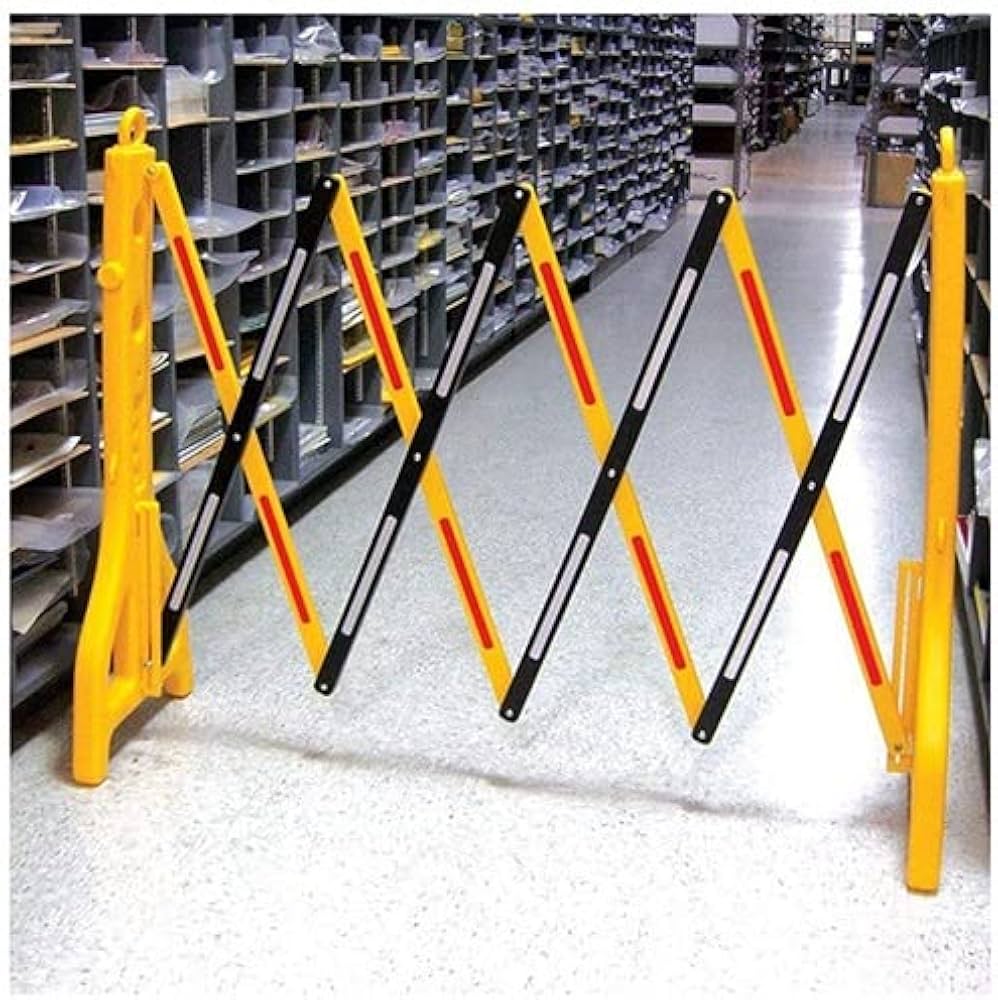
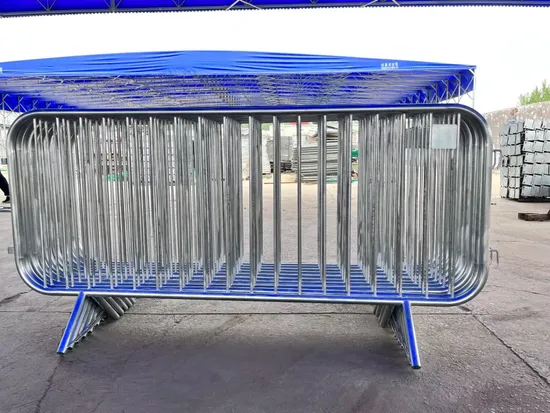
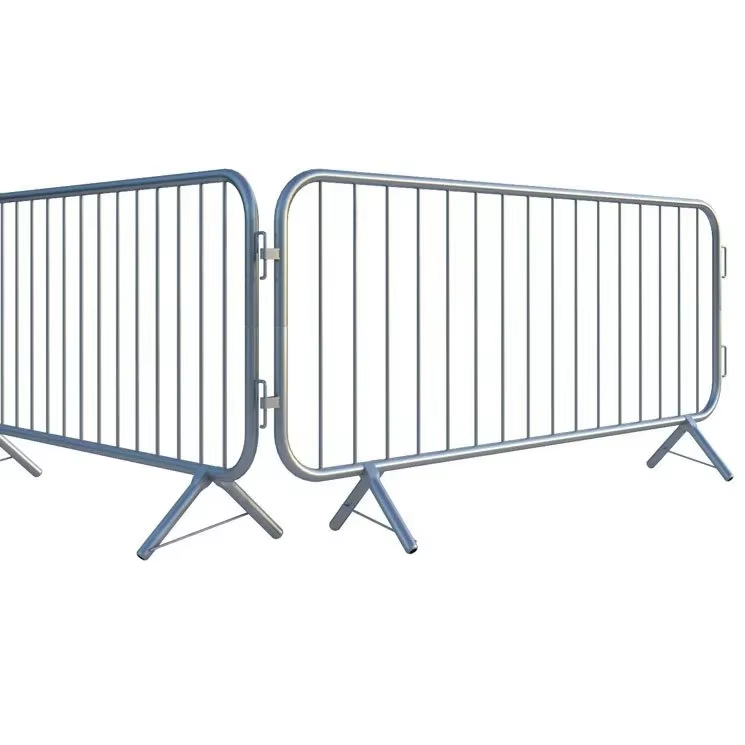
Safety Barrier Materials – Steel/Plastic are engineered industrial-grade barriers designed to enhance site safety, traffic management, and perimeter control in industrial, construction, and transport environments. These barriers are constructed from high-strength steel or durable polymer composites to withstand impact, environmental exposure, and operational stress. Their primary industrial use is to protect personnel, equipment, and infrastructure by clearly delineating hazardous zones and controlling vehicular or pedestrian traffic. The key value proposition lies in delivering robust, long-lasting safety solutions that minimize downtime and liability risks. Strategically, these barriers are critical for compliance with occupational safety regulations and for ensuring operational continuity in high-traffic or high-risk environments.
2. Key Specifications & Technical Characteristics
- Material Composition:
- Steel variants: Galvanized or coated high-strength steel
- Plastic variants: Industrial-grade polyethylene or polymer composites
- Grade / Purity:
- Industrial-grade, engineered to meet ISO and local safety standards
- Corrosion-resistant coatings for steel variants
- Physical Characteristics:
- Form: Modular barrier segments, interlocking design
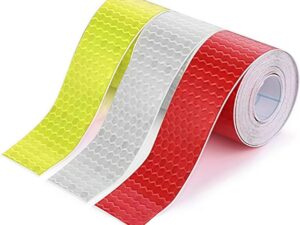
- Color: Typically high-visibility yellow, red, or custom options
- Dimensions: Standard lengths 2–4 meters, heights 0.6–1.2 meters
- Weight: Steel barriers heavier (impact-resistant), plastic barriers lighter and portable
- Packaging Options:
- Palletized bulk shipment
- Containerized delivery for large-scale deployment
- Optional pre-assembled or knock-down packs for site assembly
- Shelf Life:
- Durable under normal storage; UV-stabilized plastics resist degradation
- Steel variants maintain structural integrity with proper coating maintenance
3. Core Industrial Applications
Primary Industries:
- Construction and civil engineering projects
- Industrial manufacturing plants
- Ports, logistics, and warehousing operations
- High-traffic transportation zones
Operational Use Cases:
- Delineating restricted or hazardous areas
- Vehicle and pedestrian traffic control in industrial sites
- Temporary or permanent installation for site safety compliance
- Integration with modular fencing, signage, and safety equipment
Performance Advantages:
Safety Barrier Materials provide superior impact resistance, long-term durability, and modular flexibility compared to temporary or conventional barriers. Steel variants offer maximum protection in high-impact scenarios, while plastic barriers are cost-efficient, lightweight, and easy to reposition for dynamic operational needs. Both types enhance operational efficiency by reducing accident risk and improving site navigation.
4. Competitive Advantages
- Quality Consistency: Manufactured to industrial safety standards with certified material properties
- Supply Reliability: Continuous availability with scalable production capacity
- Logistics Capability: Efficient bulk container and palletized shipment options
- Price Competitiveness: Economically optimized for large-scale industrial procurement
- Sustainability Benefits: Recyclable plastics and coated steel variants reduce environmental impact
- Technical Support: Installation guides, safety compliance documentation, and maintenance recommendations provided
These features position Safety Barrier Materials as a strategic sourcing decision for industrial operations seeking durable, compliant, and cost-effective site safety solutions.
5. Commercial & Supply Information
- Minimum Order Quantity (MOQ): BULK 20MT
- Loading Capacity (MT per container): Approximately 20–22 MT per 20’ ISO container, depending on material type and packaging configuration
Reviews
There are no reviews yet.