
Description
1. Product Overview
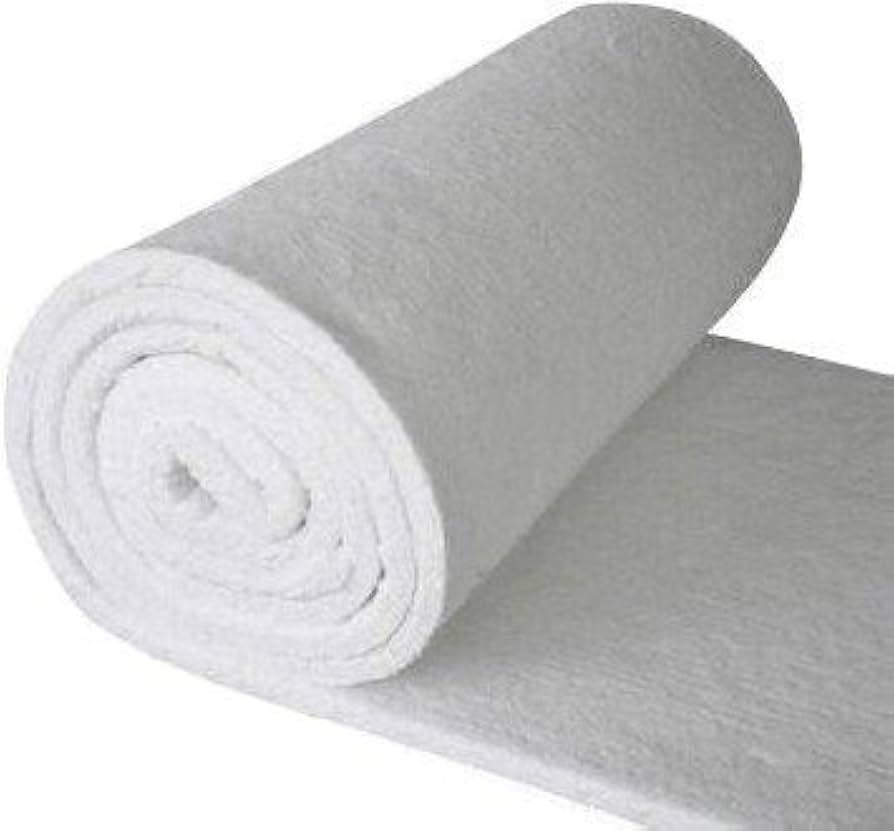
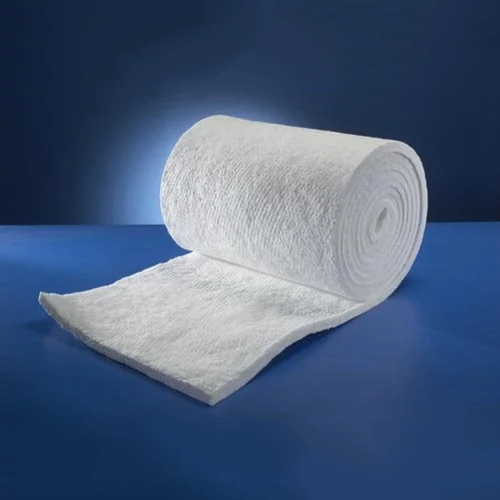
Ceramic Fiber Insulation Blanket — High Temperature is a lightweight, flexible refractory insulation material engineered from alumina-silica fibers for extreme thermal environments. It is primarily used for high-temperature insulation in furnaces, kilns, reactors, and process equipment across heavy industries. The key value proposition lies in its superior thermal resistance, low heat storage, and excellent energy efficiency compared to conventional insulation materials. Strategically, it enables industrial operators to reduce energy consumption, improve process stability, and extend equipment lifespan in increasingly energy-sensitive and cost-driven markets.
2. Key Specifications & Technical Characteristics
- Chemical Composition:
- Alumina (Al₂O₃) and silica (SiO₂) fiber matrix
- Optional zirconia (ZrO₂) enhancement for higher temperature grades
- Purity Level / Grade:
- Standard, high-purity, and zirconia-grade variants available
- Temperature classification ranges: 1,260°C, 1,400°C, and up to 1,600°C grades
- Physical Characteristics:
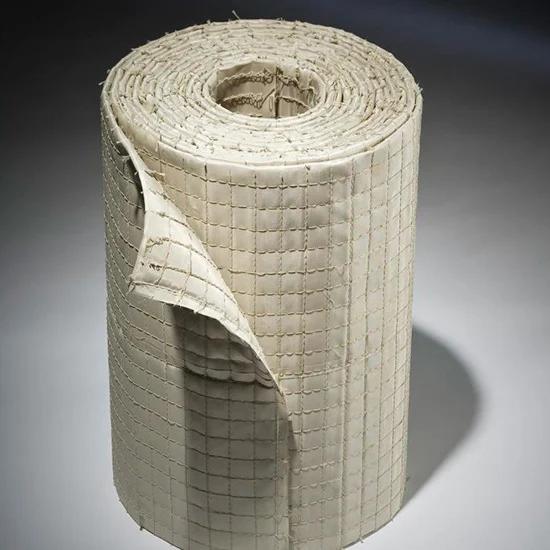
- Form: Needle-punched flexible blanket
- Color: White to off-white
- Density: Typically 64–160 kg/m³
- Low thermal conductivity
- Excellent thermal shock resistance
- Non-combustible and chemically stable
- Packaging Options:
- Rolled blankets in polyethylene wrapping
- Palletized bulk shipments
- Custom-cut sizes available upon request
- Shelf Life:
- Indefinite under dry, protected storage conditions
- Maintain integrity when stored away from moisture and mechanical damage
3. Core Industrial Applications
Primary Industries:
- Petrochemical and refining
- Steel and non-ferrous metallurgy
- Power generation
- Ceramics and glass manufacturing
- Cement and lime production
Operational Use Cases:
- Furnace and kiln lining insulation
- Expansion joint and thermal barrier systems
- Pipe and duct insulation for high-temperature processes
- Backup insulation behind refractory linings
- Fire protection systems in industrial installations
Performance & Cost Advantages:
Ceramic fiber insulation blankets outperform traditional refractory bricks and mineral wool by offering significantly lower thermal mass, resulting in faster heat-up and cool-down cycles. This translates into reduced energy consumption and improved operational efficiency. Their flexibility simplifies installation, lowers labor costs, and enhances durability under thermal cycling conditions, making them a cost-effective long-term insulation solution.
4. Competitive Advantages
- Quality Consistency: Manufactured under controlled processes ensuring uniform fiber distribution and thermal performance
- Supply Reliability: Scalable production capacity supporting continuous global industrial demand
- Logistics Capability: Efficient packaging and bulk shipping for international delivery
- Price Competitiveness: Lower lifecycle cost due to energy savings and reduced maintenance requirements
- Sustainability Benefits: Enhances energy efficiency and reduces industrial carbon footprint
- Technical Support: Full technical datasheets, installation guidance, and application engineering support available
Positioned as a strategic insulation solution, ceramic fiber blankets enable industrial buyers to optimize thermal efficiency, reduce operating costs, and meet increasingly stringent energy and environmental standards.
5. Commercial & Supply Information
- Minimum Order Quantity (MOQ): BULK 20MT
- Loading Capacity (MT per container): Approximately 8–12 MT per 40’ container (volume-limited due to low bulk density)
Reviews
There are no reviews yet.