
Description
1. Product Overview
Industrial RFID Tags UHF Passive — Asset Tracking are high-performance radio frequency identification devices designed for automated identification, monitoring, and management of industrial assets. Operating in the UHF spectrum, these passive tags enable long-range, battery-free tracking of equipment, pallets, containers, and inventory across complex supply chains and industrial environments. The key value proposition lies in providing scalable, low-maintenance asset visibility that significantly improves operational efficiency, reduces loss, and enhances real-time data accuracy. Strategically, UHF passive RFID technology has become a critical infrastructure component for digital supply chain transformation, Industry 4.0 adoption, and enterprise asset management.
2. Key Specifications & Technical Characteristics
- Material Components:
- Integrated RFID microchip (UHF EPC Gen2 compliant)
- Aluminum or copper antenna
- PET, PVC, or industrial polymer substrate
- Protective adhesive layer or encapsulated housing
- Operating Frequency:
- UHF band: 860–960 MHz (region dependent)
- Memory Capacity:
- EPC memory: Typically 96–512 bits
- User memory: Optional depending on chip model
- Physical Characteristics:
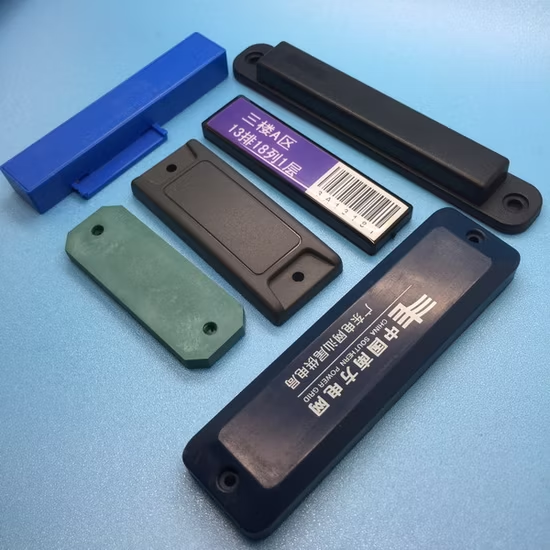
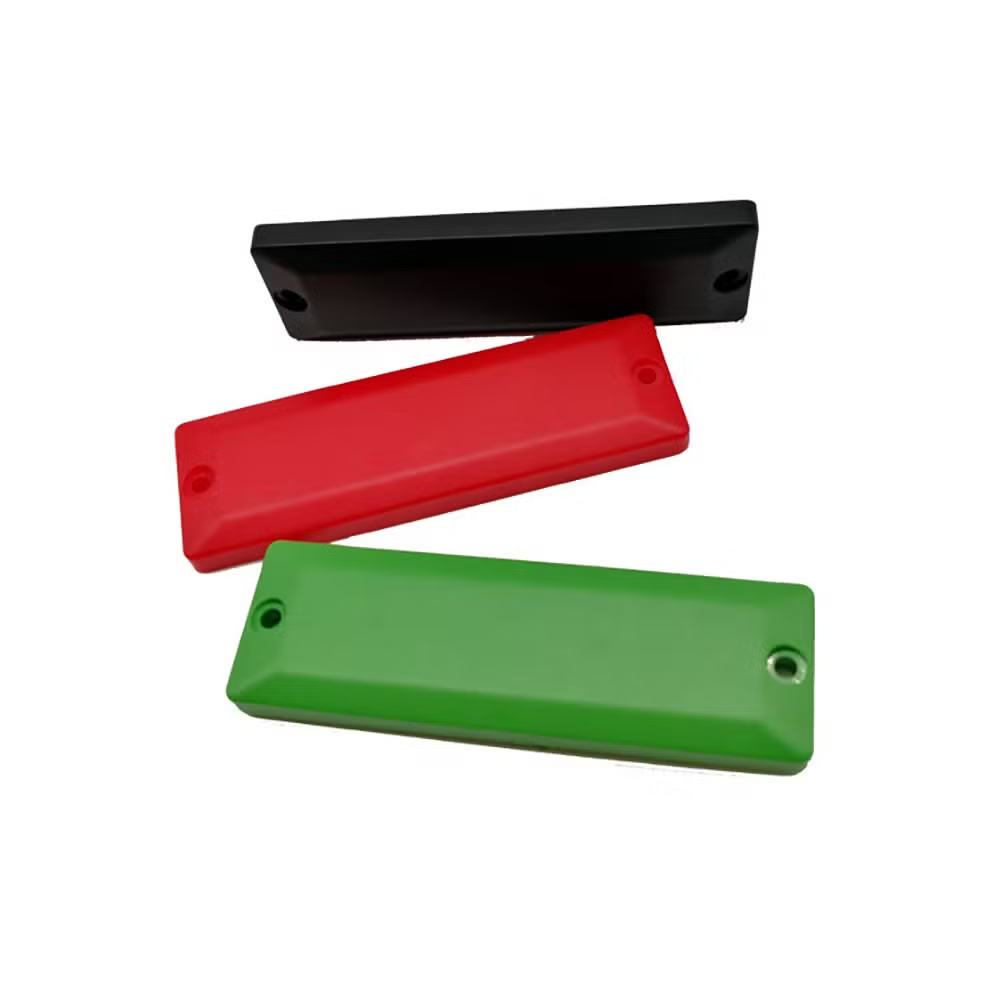
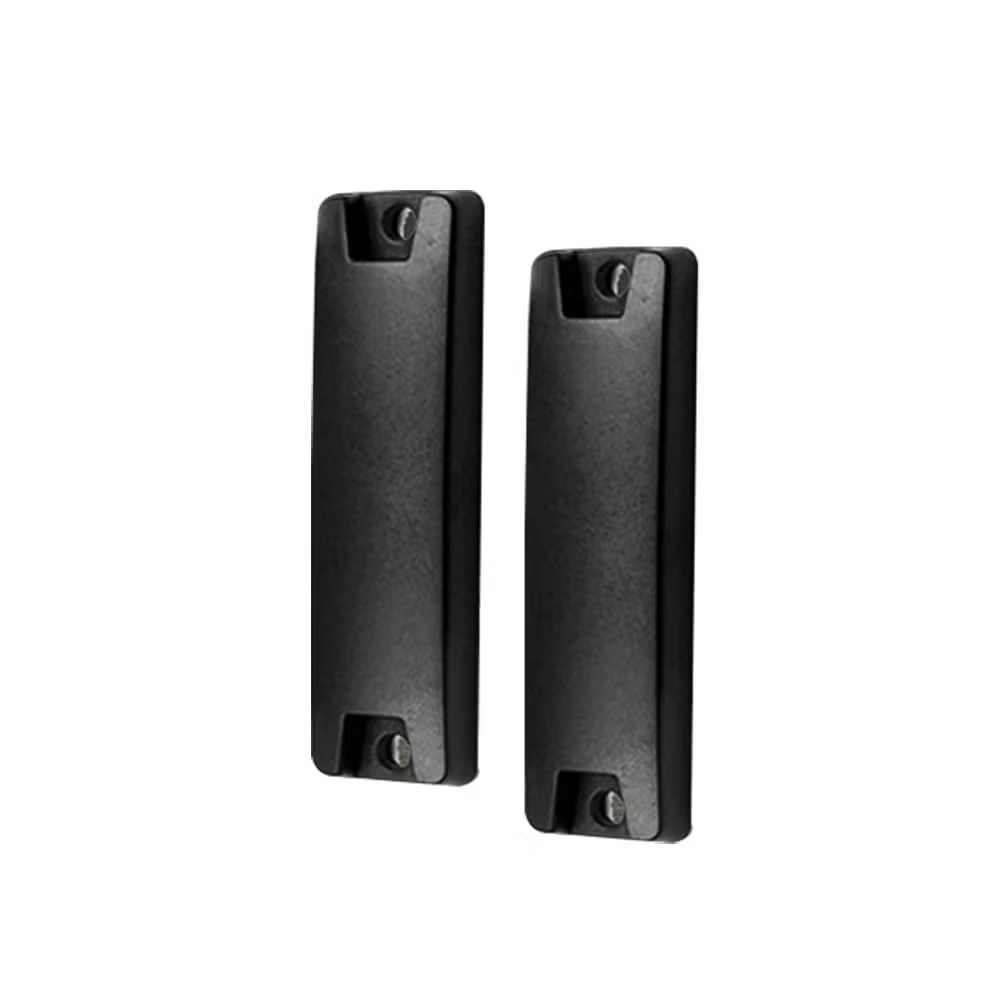
- Form: Label, hard tag, or encapsulated industrial tag
- Color: White, black, or customized industrial casing
- Read range: Up to 8–15 meters depending on reader and environment
- Operating temperature: Typically –20°C to +85°C (industrial variants available)
- Durability:
- Resistant to moisture, dust, vibration, and chemical exposure (encapsulated versions)
- Designed for indoor and outdoor industrial use
- Packaging Options:
- Bulk cartons
- Reel packaging for automated labeling systems
- Industrial hard tag bulk packs
- Shelf Life:
- Long-term functional lifespan under proper storage conditions
- No battery required (passive technology)
3. Core Industrial Applications
Primary Industries:
- Logistics and supply chain management
- Manufacturing and industrial automation
- Warehousing and distribution
- Oil & gas and heavy equipment management
- Retail inventory management
- Aviation and transportation
Operational Use Cases:
- Real-time tracking of pallets, containers, and returnable transport items
- Automated inventory counting in warehouses
- Equipment lifecycle tracking in manufacturing plants
- Asset monitoring for tools, machinery, and field equipment
- High-volume item identification in distribution centers
Performance & Cost Advantages:
UHF passive RFID tags outperform traditional barcoding systems by enabling non-line-of-sight scanning and simultaneous reading of hundreds of tags in seconds. Their battery-free design eliminates maintenance costs while providing durable long-term operation. This results in improved inventory accuracy, faster logistics processing, and reduced labor requirements across industrial operations.
4. Competitive Advantages
- Quality Consistency: Manufactured under strict electronics production standards ensuring stable read performance
- Supply Reliability: Scalable global manufacturing capacity supporting large enterprise deployments
- Logistics Capability: Bulk shipment options optimized for large-scale asset tagging programs
- Price Competitiveness: Low per-unit cost compared to active RFID or sensor-based tracking technologies
- Sustainability Benefits: Passive design eliminates batteries and reduces electronic waste footprint
- Technical Documentation: Full technical datasheets, EPC memory configuration guides, and compatibility documentation provided
Positioned as a strategic sourcing solution, Industrial UHF Passive RFID Tags enable organizations to implement scalable asset visibility systems, reduce operational inefficiencies, and accelerate digital transformation initiatives across global supply chains.
5. Commercial & Supply Information
- Minimum Order Quantity (MOQ): BULK 20MT
- Loading Capacity (MT per container): Approximately 20–24 MT per 20’ container depending on packaging format and tag configuration
Reviews
There are no reviews yet.