
Description
1. Product Overview
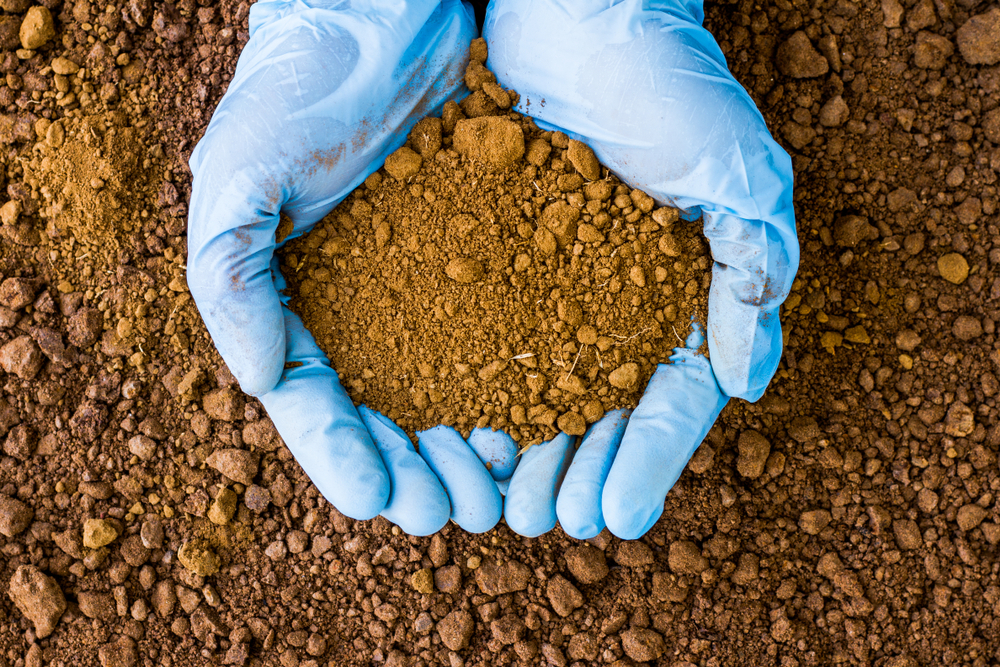
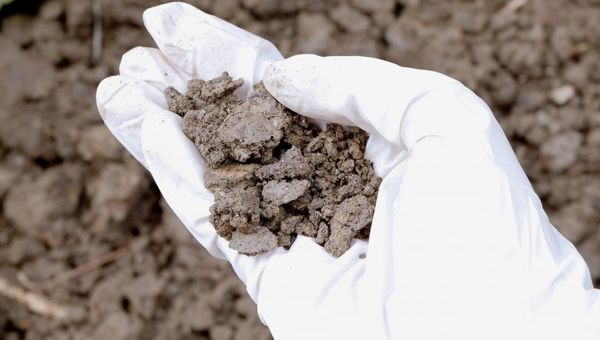
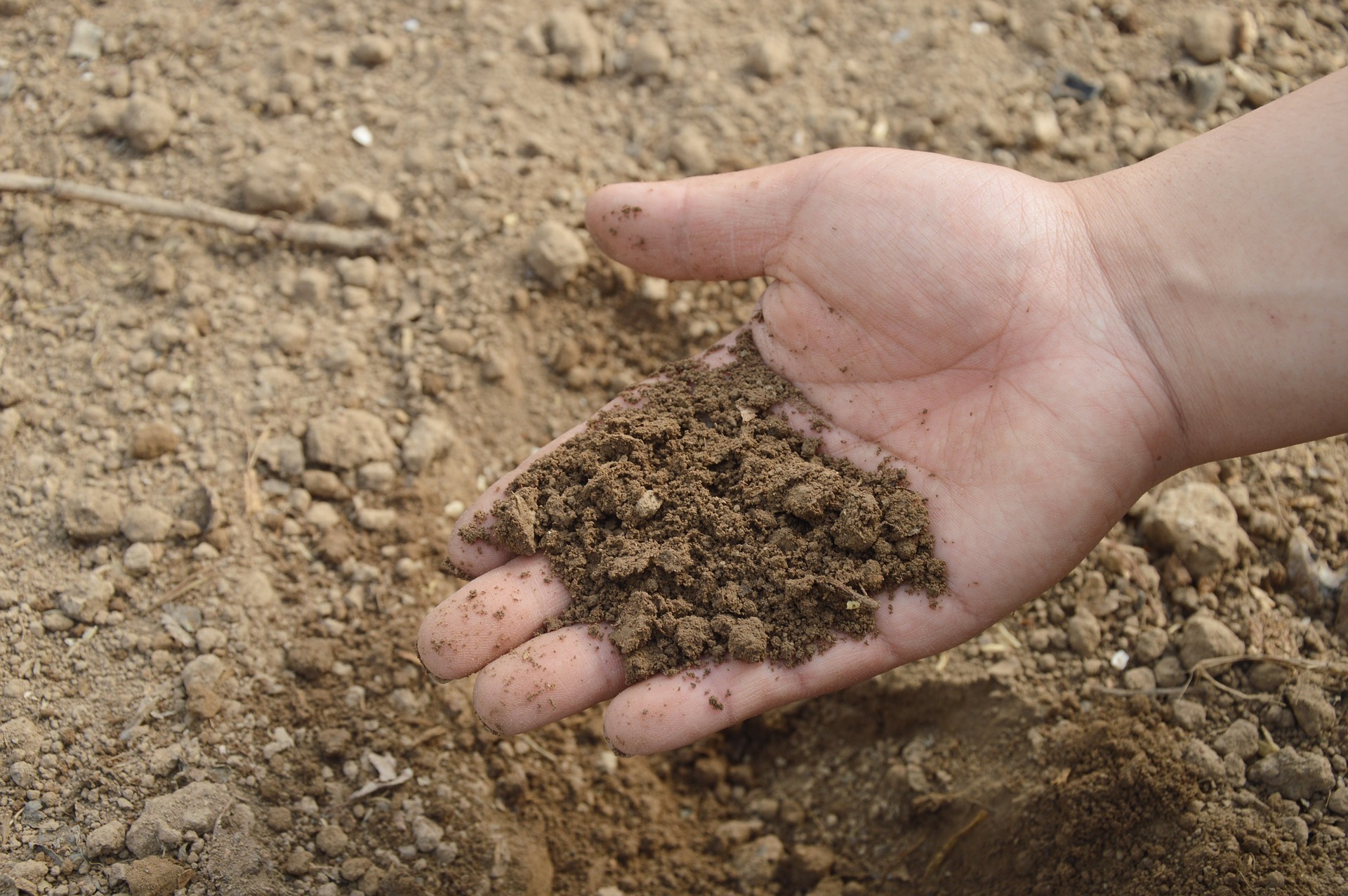
Soil Remediation Agents Bulk — Environmental Cleanup are specialized chemical formulations designed to neutralize, stabilize, or remove contaminants from polluted soil environments. These agents are widely used in industrial site rehabilitation, mining remediation, oil spill response, and environmental restoration projects.
By enabling efficient contaminant breakdown or immobilization, these solutions help organizations meet regulatory compliance requirements while restoring land usability. Strategically, soil remediation agents play a critical role in environmental risk management, sustainable industrial development, and the growing global demand for responsible land restoration.
2. Key Specifications & Technical Characteristics
- Chemical Composition:
- Oxidizing agents (e.g., peroxide-based or persulfate-based compounds)
- pH adjustment compounds (lime, alkaline buffers)
- Chelating agents or stabilizing minerals
- Adsorbent materials (activated carbon, mineral absorbents)
- Bioremediation enhancers (nutrient additives, microbial activators)
- Purity Level / Grade:
- Environmental Remediation Grade
- Industrial-grade formulations optimized for soil treatment applications
- Physical Characteristics:
- Form: Powder, granular, or liquid formulation
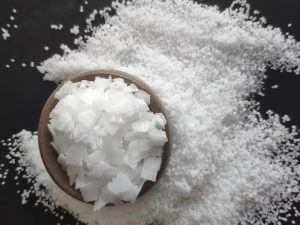
- Appearance: White, off-white, or light-colored depending on composition
- Particle Size: Controlled granularity for soil mixing and dispersion
- Density: Composition-dependent
- High reactivity or adsorption capacity depending on formulation type
- Packaging Options:
- Bulk bags (1 MT super sacks)
- Drums or sealed containers (for liquid formulations)
- Bulk tanker transport (liquid systems)
- BULK 20MT shipments
- Shelf Life:
- Typically 12–24 months under dry, sealed storage conditions
- Store in moisture-controlled environments
3. Core Industrial Applications
Primary Industries
- Environmental remediation and site rehabilitation
- Oil & gas spill response
- Mining and heavy metals remediation
- Industrial land redevelopment
- Waste management and environmental engineering
Operational Use Cases
- Stabilization of heavy metals in contaminated soil
- Oxidative degradation of petroleum hydrocarbons and organic pollutants
- Neutralization of acidic or alkaline contaminated soils
- Immobilization of hazardous compounds for regulatory compliance
- Soil conditioning for restoration and redevelopment projects
Performance & Cost Advantages
Soil Remediation Agents provide a highly efficient solution for managing complex contamination challenges. Their targeted chemical action accelerates pollutant breakdown or immobilization, reducing remediation timelines compared to traditional excavation-based approaches.
Compared with mechanical remediation alone, chemical soil treatment significantly lowers operational costs, minimizes soil transport and disposal requirements, and enables in-situ remediation strategies. This results in faster project completion and improved environmental restoration outcomes.
4. Competitive Advantages
- Quality Consistency: Formulated and batch-tested for reliable contaminant treatment performance.
- Supply Reliability: Stable production capacity supporting large-scale remediation projects.
- Logistics Capability: Bulk shipment options suitable for major environmental engineering operations.
- Price Competitiveness: Cost-efficient treatment compared to full soil excavation and disposal.
- Sustainability Benefits: Enables in-situ remediation, reducing landfill waste and environmental disruption.
- Technical Documentation: Full SDS, COA, and environmental compliance documentation provided.
- Technical Support: Application guidance for soil treatment design, dosage calculation, and remediation strategy integration.
These Soil Remediation Agents represent a strategic procurement decision for environmental engineering firms and industrial operators seeking efficient, compliant, and cost-effective land restoration solutions.
5. Commercial & Supply Information
- Minimum Order Quantity (MOQ): BULK 20MT
- Loading Capacity:
- 20ft Container: Approx. 20–25 MT depending on packaging format and material density
Reviews
There are no reviews yet.