
Description
1. Product Overview
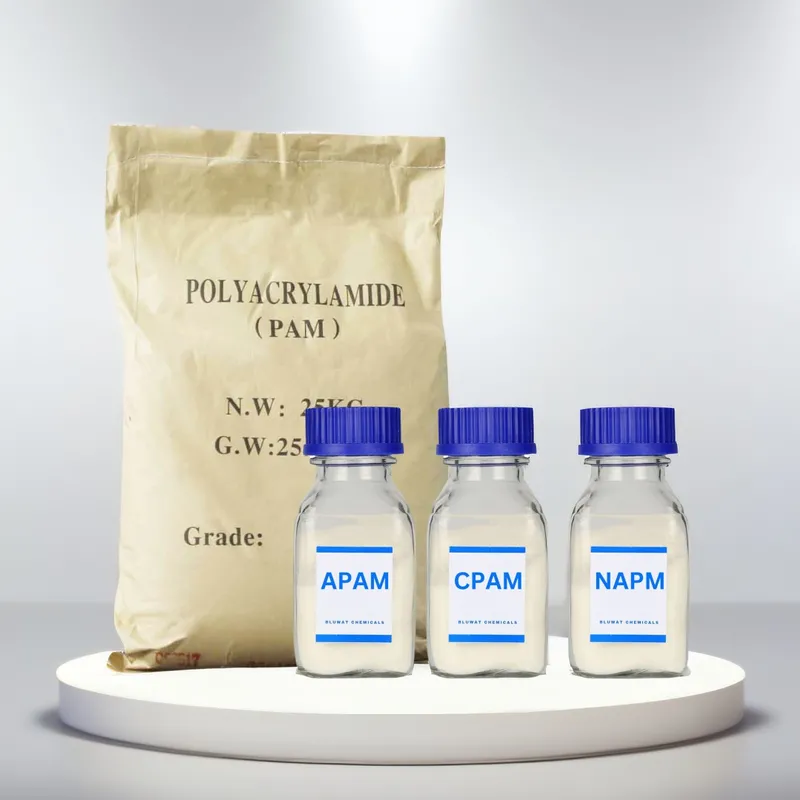
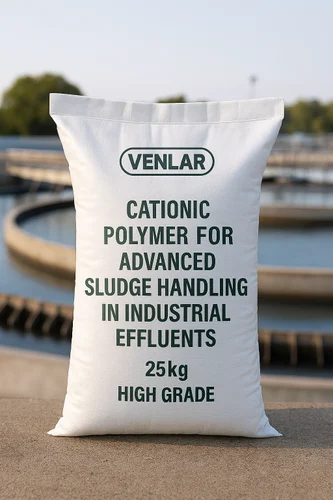
Sludge Dewatering Polymers Cationic are high-performance water-soluble polymers designed to enhance solid–liquid separation in sludge treatment and waste handling processes. These polymers function as flocculants that bind fine suspended particles into larger aggregates, enabling faster and more efficient dewatering through mechanical or gravity-based separation systems.
By significantly improving sludge compaction and reducing moisture content, they lower sludge volume and disposal costs while increasing operational throughput. Strategically, Cationic Sludge Dewatering Polymers are essential for wastewater treatment plants and industrial waste management operations seeking improved process efficiency, regulatory compliance, and cost optimization.
2. Key Specifications & Technical Characteristics
- Chemical Composition:
- Cationic polyacrylamide (CPAM) or related cationic polymer compounds
- High molecular weight polymer chains with positively charged functional groups
- Purity Level / Grade:
- Industrial Wastewater Treatment Grade
- Active polymer content typically ≥ 88–90% (powder form)
- Physical Characteristics:
- Form: Powder, granules, or emulsion (grade-dependent)
- Appearance: White to off-white powder or granular solid
- Charge Density: Low, medium, or high cationic charge options
- Molecular Weight: High molecular weight for enhanced flocculation performance
- Bulk Density: Approx. 0.6–0.9 g/cm³ (powder form)
- Highly soluble in water when properly mixed
- Packaging Options:
- 25 kg moisture-resistant bags
- 750–1,000 kg bulk bags
- Drums (for emulsion forms)
- BULK 20MT shipments
- Shelf Life:
- Typically 24 months under dry, sealed storage conditions
3. Core Industrial Applications
Primary Industries
- Municipal wastewater treatment
- Industrial wastewater treatment
- Mining and mineral processing
- Pulp and paper manufacturing
- Food and beverage processing
Operational Use Cases
- Sludge thickening and dewatering in belt filter presses, centrifuges, and filter presses
- Conditioning biological sludge in municipal wastewater treatment plants
- Solid–liquid separation in mining tailings and mineral processing
- Clarification and sludge reduction in industrial effluent treatment systems
Performance & Cost Advantages
Cationic sludge dewatering polymers dramatically improve floc formation, resulting in faster sedimentation and higher cake solids during dewatering operations. Their strong charge neutralization and bridging capabilities enhance particle aggregation even in challenging sludge conditions.
Compared to traditional inorganic coagulants, they require significantly lower dosing levels, reduce equipment wear, and minimize sludge handling volumes. This results in measurable operational savings through reduced disposal costs, lower energy consumption, and improved treatment plant efficiency.
4. Competitive Advantages
- Quality Consistency: Controlled polymerization processes ensure stable molecular weight and charge density performance.
- Supply Reliability: Large-scale production capacity supporting continuous industrial demand.
- Logistics Capability: Flexible packaging formats and bulk shipment options for global supply chains.
- Price Competitiveness: High-efficiency dosing lowers overall chemical consumption and operational cost.
- Sustainability Benefits: Reduces sludge volume and improves waste management efficiency.
- Technical Documentation: COA, SDS, and product performance specifications provided.
- Technical Support: Process optimization support for dosing, mixing, and equipment compatibility.
Sludge Dewatering Polymers Cationic represent a strategic chemical solution for wastewater treatment operators seeking enhanced sludge management efficiency, reduced disposal costs, and reliable process performance.
5. Commercial & Supply Information
- Minimum Order Quantity (MOQ): BULK 20MT
- Loading Capacity:
- 20ft Container: Approx. 20–22 MT depending on packaging configuration

Reviews
There are no reviews yet.