
Description
1. Product Overview
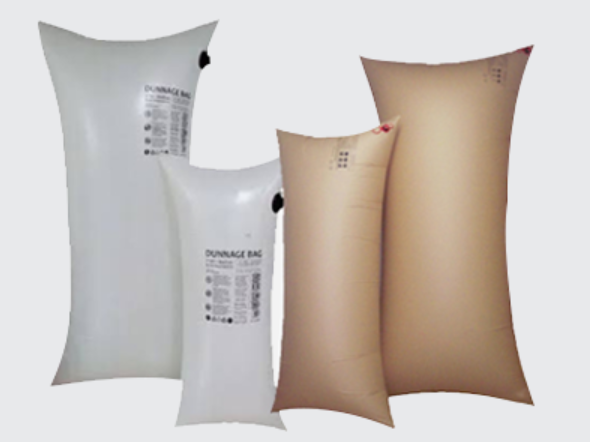
Dunnage Bags Nylon — Container Safety are high-strength inflatable cargo stabilization systems designed to secure goods during transport in shipping containers, trucks, railcars, and intermodal freight units. Manufactured using reinforced nylon fabric with airtight inner liners, these bags fill void spaces between cargo units to prevent shifting, impact damage, and load collapse during transit. Their primary industrial use is to stabilize palletized, bulk, and packaged cargo across global supply chains. The key value proposition lies in their superior strength, reusability, and rapid deployment, delivering cost-effective cargo protection compared with traditional blocking and bracing materials. Strategically, nylon dunnage bags are essential for modern logistics operations seeking to minimize cargo damage, improve container utilization, and comply with international cargo securement standards.
2. Key Specifications & Technical Characteristics
- Material Composition:
- High-strength woven nylon outer layer
- Multi-layer polyethylene (PE) inner liner for airtight sealing
- Reinforced valve system for inflation and deflation
- Industrial-grade adhesives and stitching for seam integrity
- Grade / Strength Classification:
- Industrial cargo stabilization grade
- Available in multiple strength levels suitable for container, truck, and rail applications
- Designed to withstand high dynamic load pressures during transit
- Physical Characteristics:
- Inflatable rectangular bag structure
- Color: Typically white, beige, or customized industrial colors
- Lightweight yet high tensile strength
- Flexible and adaptable to varying cargo gaps
- Burst-resistant with high puncture tolerance
- Available Sizes:
- Multiple dimensions designed to fill container voids ranging from small pallet gaps to large cargo spaces
- Packaging Options:
- Flat-packed bundles for efficient storage and transport
- Bulk cartons or palletized shipments
- Shelf Life:
- Typically 24–36 months when stored in dry, temperature-controlled warehouse conditions
3. Core Industrial Applications
Primary Industries:
- Global logistics and freight forwarding
- Container shipping and port operations
- Chemical and industrial raw material transport
- Food and beverage distribution
- Automotive and manufacturing supply chains
- Construction materials logistics
Operational Use Cases:
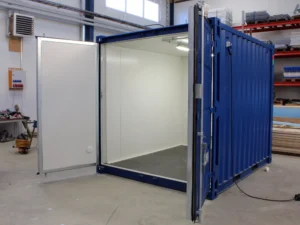
- Securing palletized cargo inside shipping containers
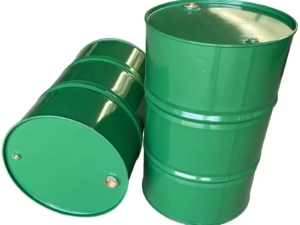
- Stabilizing bulk bags, drums, and cartons during transport
- Preventing load shifting in railcars and long-haul trucks
- Protecting fragile or high-value goods from impact damage
- Improving container load safety for international export shipments
Performance & Cost Advantages:
Nylon dunnage bags provide significantly greater tensile strength and durability than paper-based or lightweight alternatives. Their high burst resistance allows them to stabilize heavy industrial loads while maintaining structural integrity under dynamic transport conditions. The lightweight design improves operational efficiency by reducing installation time and labor costs while delivering reliable cargo protection throughout the logistics chain.
4. Competitive Advantages
- Quality Consistency: Manufactured under strict industrial quality control standards
- Supply Reliability: Scalable production ensuring dependable global supply
- Logistics Capability: Optimized packaging for efficient global container shipping
- Price Competitiveness: Lower cargo damage costs and improved load stability compared with traditional blocking materials
- Sustainability Benefits: Reusable design reduces packaging waste and promotes sustainable logistics practices
- Technical Documentation: Available load performance specifications, inflation guidelines, and safety documentation
Positioned as a strategic logistics solution, Nylon Dunnage Bags enable shippers, exporters, and logistics providers to enhance cargo safety, reduce damage claims, and improve overall transport efficiency.
5. Commercial & Supply Information
- Minimum Order Quantity (MOQ): BULK 20MT
- Loading Capacity (MT per container): Approximately 20–24 MT per 40’ container depending on packaging configuration

Reviews
There are no reviews yet.