
Description
1. Product Overview
Triethylene Glycol (TEG) 99% is a high-purity hygroscopic glycol widely used as an industrial dehydration agent in natural gas processing systems. It is specifically engineered to remove water vapor from natural gas streams, preventing hydrate formation, corrosion, and pipeline blockages during gas transmission and processing.
With its strong affinity for moisture and high thermal stability, TEG 99% delivers reliable and efficient gas dehydration performance across continuous industrial operations. Strategically, it plays a critical role in maintaining pipeline integrity, improving gas quality standards, and ensuring operational reliability across upstream and midstream energy infrastructure.
2. Key Specifications & Technical Characteristics
- Chemical Composition:
- Triethylene Glycol (C₆H₁₄O₄)
- Trace levels of diethylene glycol and water (process-dependent)
- Purity Level / Grade:
- ≥ 99% Triethylene Glycol
- Industrial Gas Dehydration Grade
- Physical Characteristics:
- Form: Liquid
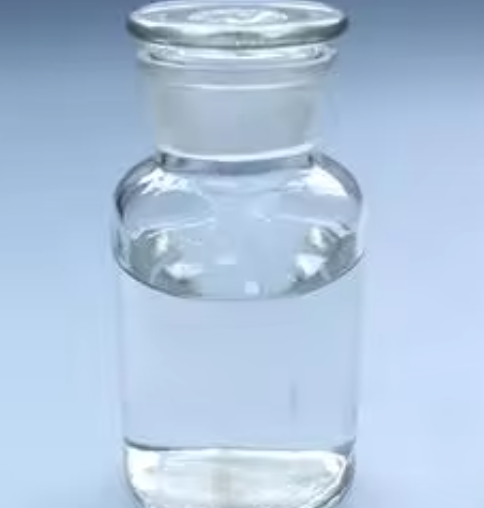
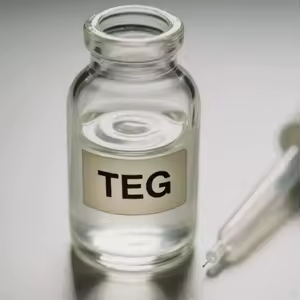
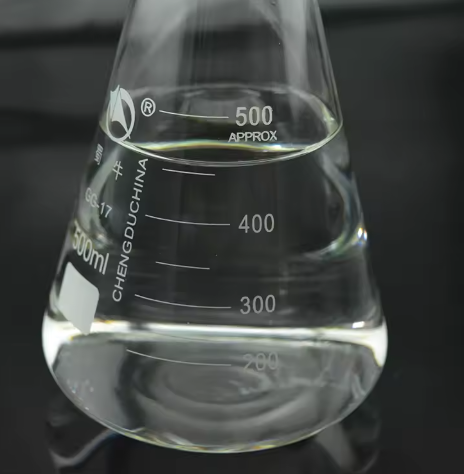
- Color: Clear, colorless to slightly pale
- Odor: Mild characteristic glycol odor
- Density: Approx. 1.12–1.13 g/cm³ at 20°C
- Boiling Point: Approx. 285°C
- Highly hygroscopic with strong moisture absorption capacity
- Packaging Options:
- Bulk ISO tanks
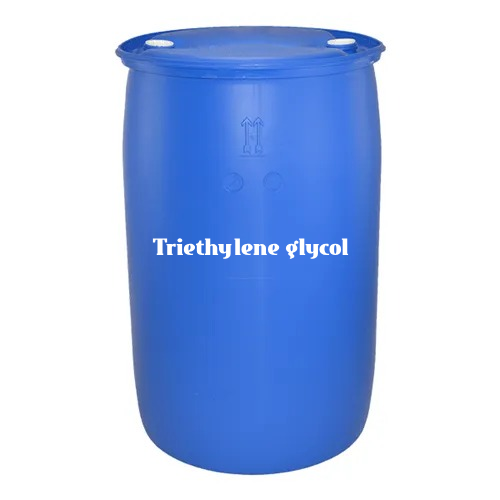
- 200–250 kg industrial drums
- IBC containers (1–1.2 MT)
- BULK 20MT shipments
- Shelf Life:
- Up to 24 months when stored in sealed containers under dry, controlled conditions
3. Core Industrial Applications
Primary Industries
- Natural gas processing
- Oil and gas production
- Pipeline transmission infrastructure
- Petrochemical processing
Operational Use Cases
- Removal of water vapor from natural gas streams in glycol dehydration units
- Prevention of hydrate formation in gas pipelines
- Moisture control in gas gathering and compression systems
- Conditioning gas streams to meet pipeline and LNG processing specifications
Performance & Cost Advantages
Triethylene Glycol (TEG) 99% offers superior water absorption capacity compared to many alternative drying agents, making it the preferred solution for continuous gas dehydration systems. Its high boiling point enables efficient regeneration and reuse within closed-loop dehydration units, reducing operational costs and chemical consumption.
Compared to lower molecular weight glycols, TEG provides improved thermal stability and lower vapor loss, enhancing system efficiency and minimizing solvent losses during regeneration cycles.
4. Competitive Advantages
- Quality Consistency: High-purity ≥99% TEG produced under controlled industrial standards.
- Supply Reliability: Stable production capacity ensuring consistent availability for energy sector operations.
- Logistics Capability: Global bulk shipping options including ISO tanks, drums, and IBC containers.
- Price Competitiveness: Cost-efficient dehydration solvent with long operational life in regeneration systems.
- Sustainability Benefits: Reusable in closed-loop gas dehydration units, reducing chemical waste and operational footprint.
- Technical Documentation: Certificate of Analysis (COA), Safety Data Sheet (SDS), and quality documentation provided.
- Technical Support: Guidance available for dehydration unit integration, regeneration optimization, and handling procedures.
Triethylene Glycol (TEG) 99% represents a strategic procurement choice for natural gas operators seeking reliable dehydration performance, operational efficiency, and compliance with pipeline gas quality standards.
5. Commercial & Supply Information
- Minimum Order Quantity (MOQ): BULK 20MT
- Loading Capacity:
- 20ft Container (ISO Tank / Drums / IBC): Approx. 20–24 MT depending on packaging configuration

Reviews
There are no reviews yet.