
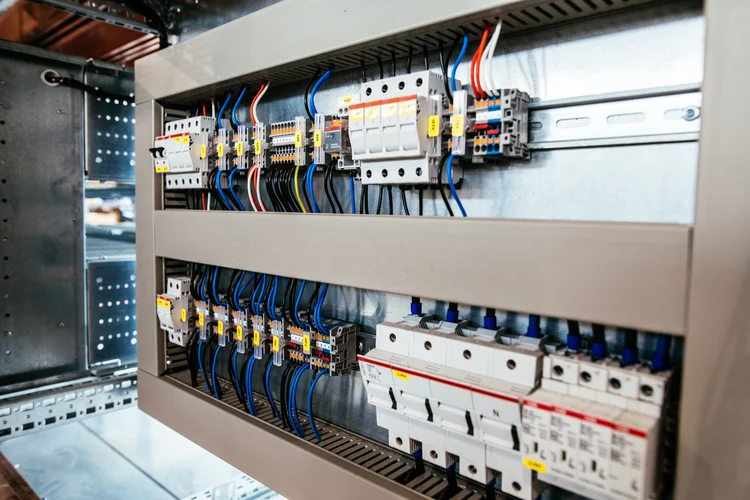
Description
1. Product Overview
Building Management Systems (BMS) and Data Center Infrastructure Management (DCIM) platforms are integrated digital control and monitoring solutions designed to optimize the performance, reliability, and efficiency of complex facilities and mission-critical infrastructure. These systems centralize the management of mechanical, electrical, HVAC, power distribution, security, and environmental systems through a unified software and hardware ecosystem. In industrial facilities and data centers, BMS/DCIM solutions provide real-time visibility, automation, and predictive analytics to ensure operational continuity and resource optimization. As global infrastructure becomes increasingly digital and energy-intensive, BMS/DCIM platforms are strategically essential for reducing operational costs, enhancing sustainability, and maintaining resilient infrastructure operations.
2. Key Specifications & Technical Characteristics
- System Architecture: Integrated hardware controllers, sensors, gateways, and centralized management software
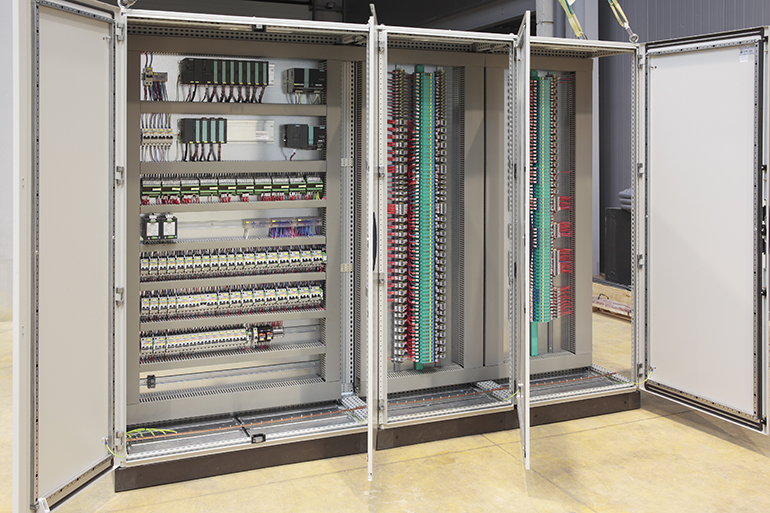
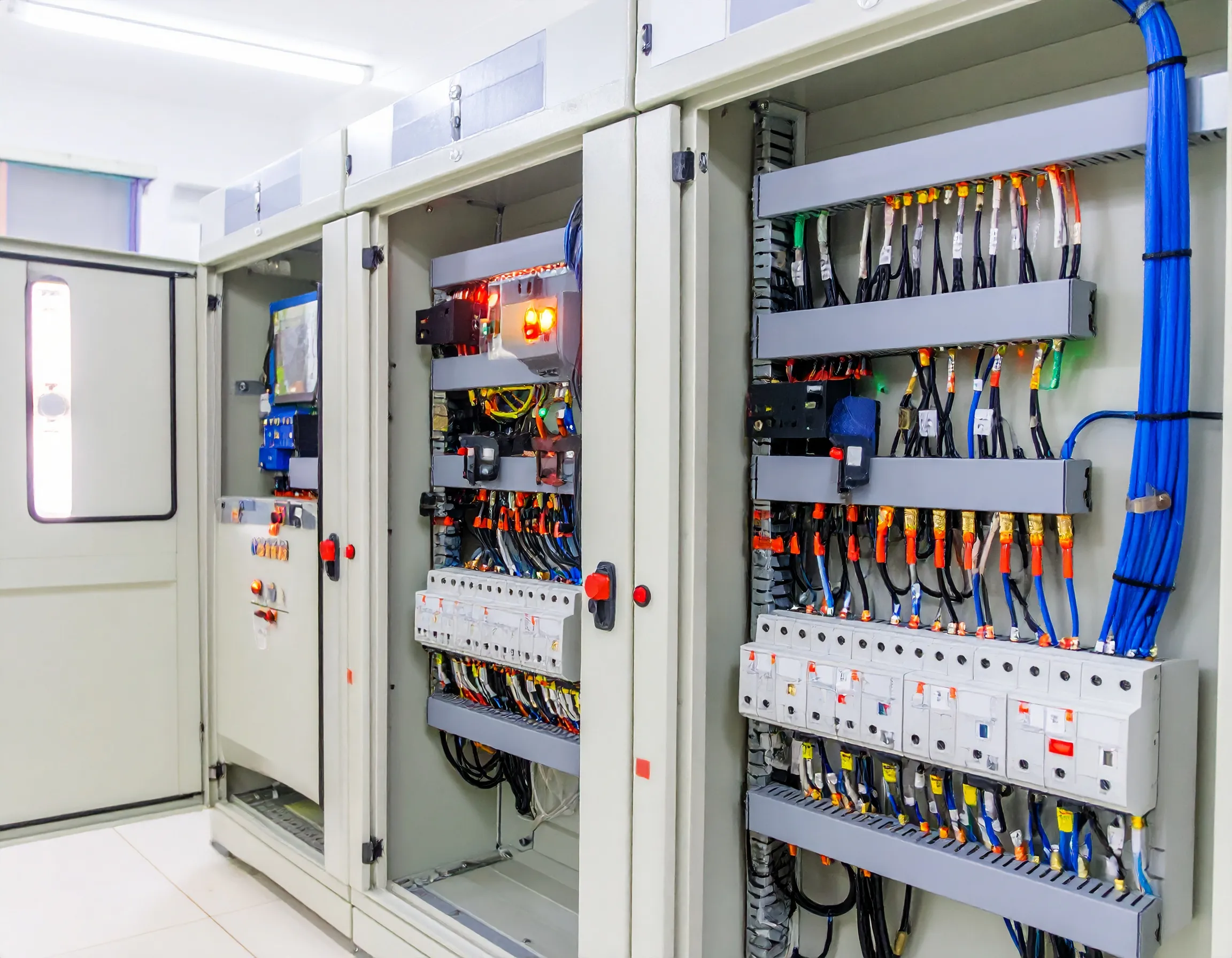
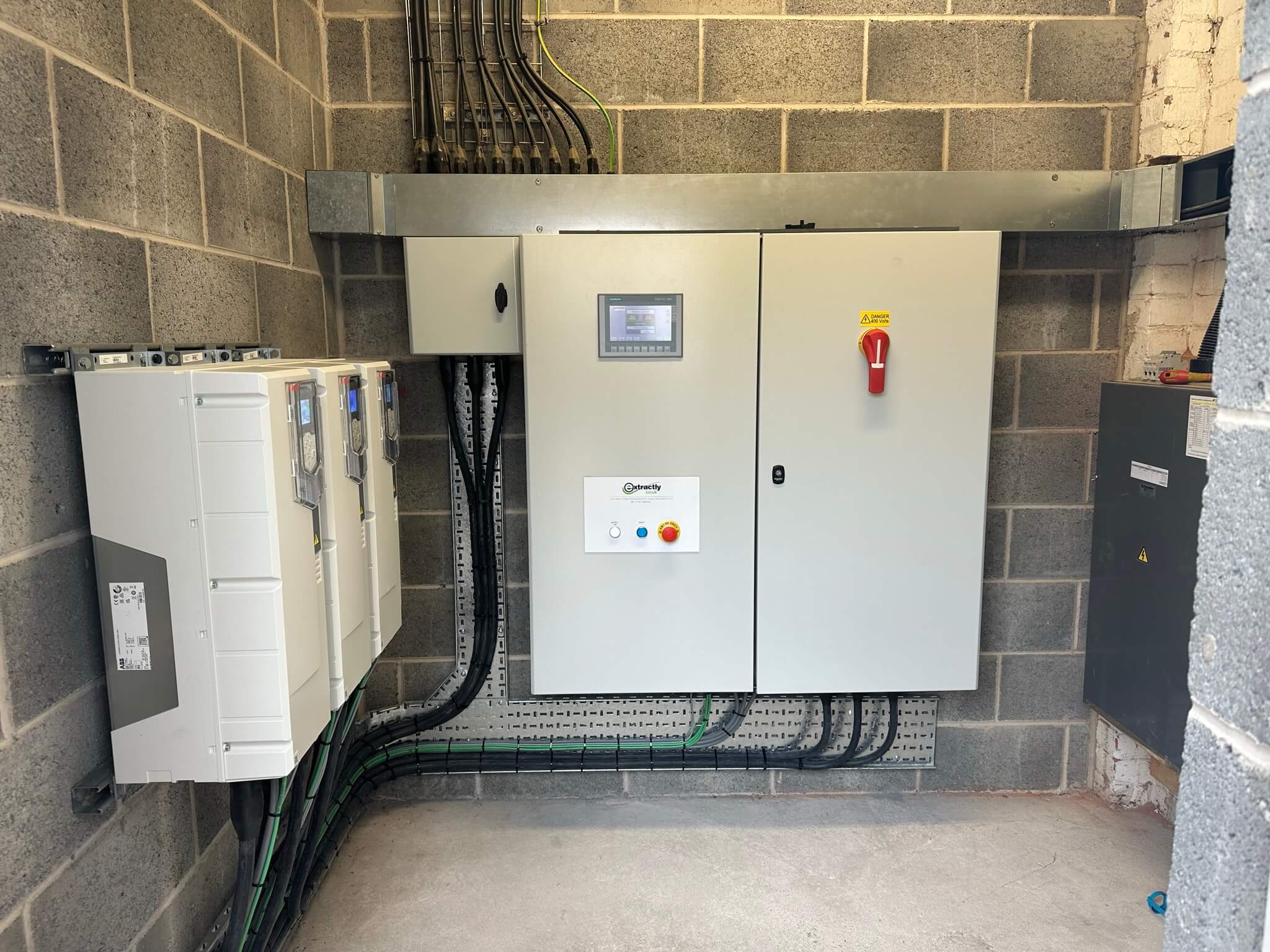
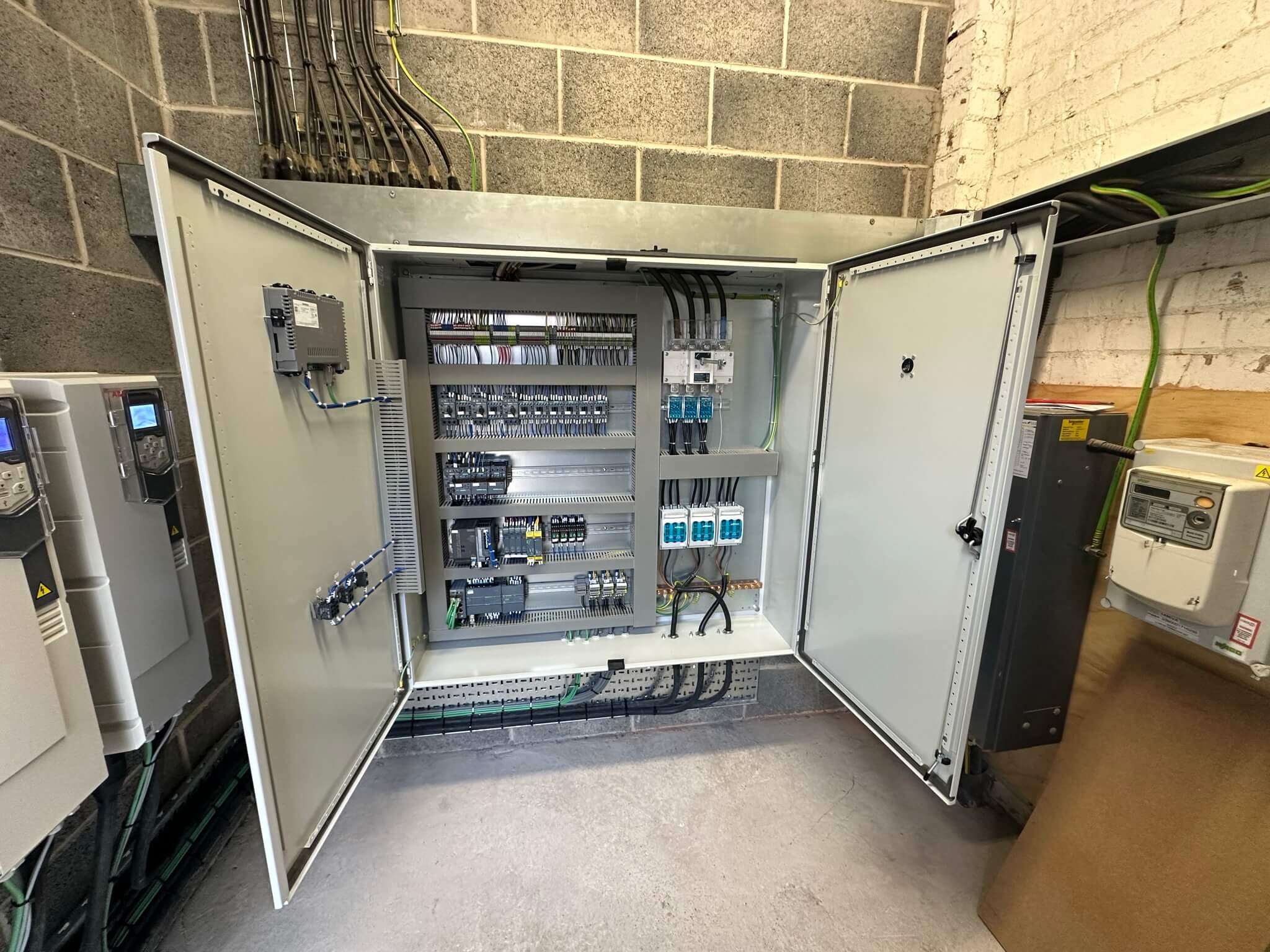
- Core Components: Programmable logic controllers (PLCs), IoT sensors, smart meters, network gateways, server-based or cloud-based management platforms
- Software Capabilities: Real-time monitoring, automated control logic, alarm management, predictive analytics, reporting dashboards
- Communication Protocols: BACnet, Modbus, SNMP, OPC, TCP/IP, MQTT
- Integration Compatibility: HVAC systems, electrical distribution units, UPS systems, generators, fire detection systems, access control, environmental monitoring
- Interface: Web-based dashboards, mobile monitoring applications, API integration for enterprise systems
- Data Handling: High-frequency telemetry collection, historical data logging, analytics engines
- Physical Characteristics: Rack-mounted servers, industrial-grade controllers, distributed sensor networks
- Security Features: Role-based access control, encrypted communication protocols, cybersecurity monitoring
- Deployment Options: On-premise infrastructure, hybrid systems, or fully cloud-enabled architecture
- Packaging Options: Complete system kits, modular controller packages, sensor bundles, enterprise software licensing packages
- Shelf Life: Software license lifecycle typically 5–10 years with continuous updates and support
3. Core Industrial Applications
Primary Industries:
- Data centers and hyperscale computing facilities
- Commercial and industrial real estate
- Telecommunications infrastructure
- Manufacturing plants and industrial campuses
- Hospitals and mission-critical facilities
- Airports, transportation hubs, and smart cities
Operational Use Cases:
- Real-time monitoring of power usage, cooling systems, and environmental conditions in data centers
- Automated HVAC optimization for commercial and industrial buildings
- Energy consumption analysis and efficiency optimization across facilities
- Predictive maintenance for electrical and mechanical infrastructure
- Alarm and incident management to reduce downtime in critical environments
- Asset tracking and infrastructure capacity planning
Performance Advantages:
- Enables centralized control over distributed infrastructure assets
- Improves operational efficiency through automation and predictive analytics
- Reduces energy consumption and operational expenditures
- Minimizes downtime in mission-critical environments through real-time monitoring and alerting
- Enhances regulatory compliance and reporting transparency
4. Competitive Advantages
- Quality Consistency: Enterprise-grade hardware and software architecture designed for mission-critical infrastructure reliability
- Supply Reliability: Scalable modular systems available for deployment across single facilities or multi-site global operations
- Logistics Capability: International delivery of hardware modules, sensors, controllers, and software licensing packages
- Price Competitiveness: Optimized system architecture reducing long-term operational and energy costs
- Sustainability Benefits: Enables measurable reductions in power consumption, carbon footprint, and energy waste
- Technical Support: Comprehensive technical documentation, integration guidelines, remote monitoring support, and system configuration assistance
5. Commercial & Supply Information
- Minimum Order Quantity (MOQ): BULK 20MT
- Loading Capacity: 20–24 MT per container




Reviews
There are no reviews yet.