
Description
1. Product Overview
Liquefied Petroleum Gas (LPG), primarily composed of propane and butane, is a highly efficient, clean-burning hydrocarbon fuel widely used across industrial, commercial, and energy sectors. Stored and transported in liquid form under moderate pressure, LPG provides a versatile and reliable energy source for heating, power generation, and industrial processing. Its high calorific value, portability, and low emissions make it a preferred fuel in regions where pipeline natural gas infrastructure is limited or where flexible energy solutions are required. Strategically, LPG plays a critical role in global energy supply chains, offering cost-effective, scalable, and environmentally improved fuel options for industrial and commercial operations.
2. Key Specifications & Technical Characteristics
- Chemical Composition:
- Propane (C₃H₈)
- Butane (C₄H₁₀)
- Minor traces of propylene, butylene, and other light hydrocarbons
- Purity / Grade:
- Commercial LPG Grade: Typically ≥95% combined propane and butane
- Physical Characteristics:
- Form: Liquefied gas under pressure
- Color: Colorless
- Odor: Odorized (commonly with ethyl mercaptan) for safety detection
- Boiling Point:
- Propane: −42°C
- Butane: −0.5°C
- Energy Content: High calorific value (~46–50 MJ/kg)
- Packaging / Storage Options:
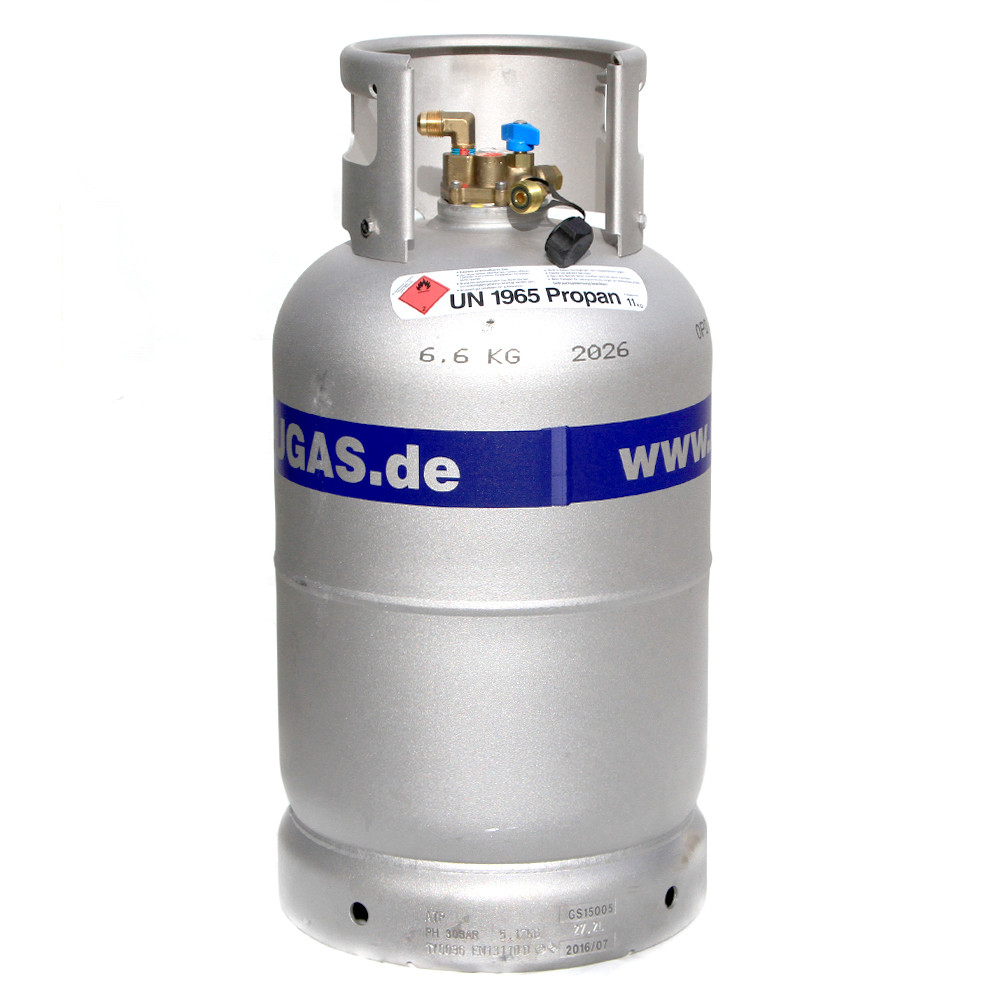
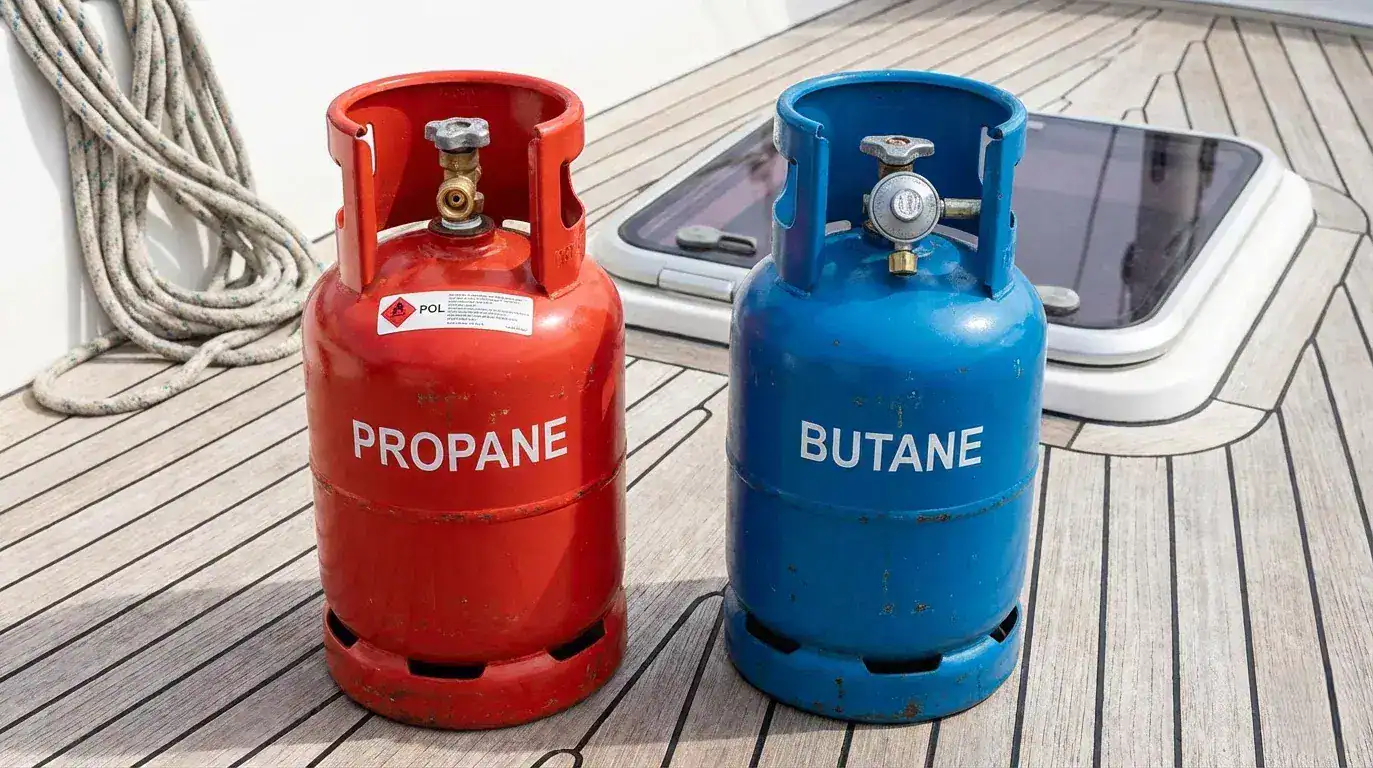
- Pressurized cylinders
- ISO tank containers
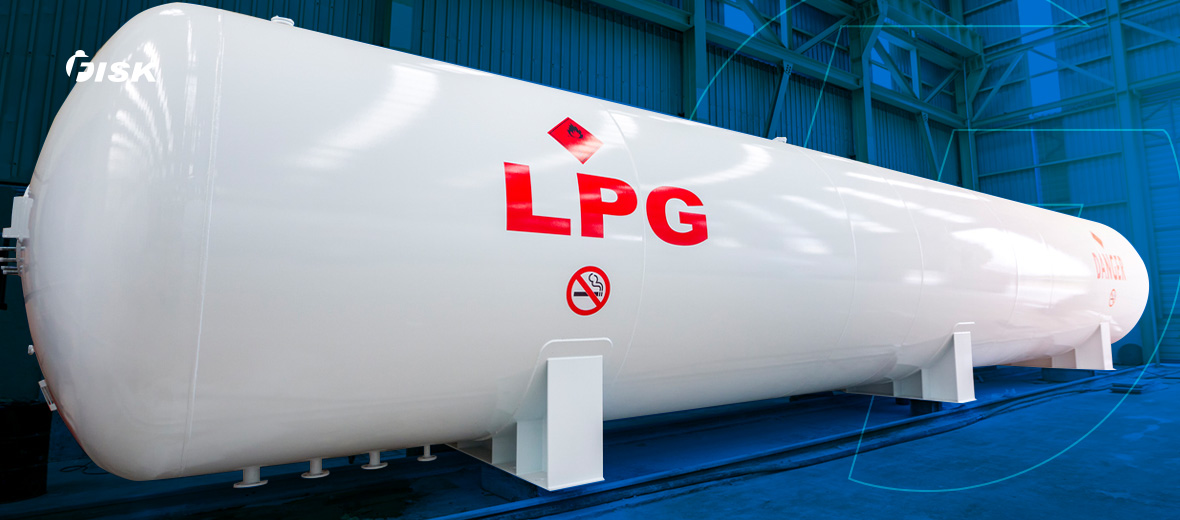
- Bulk storage tanks
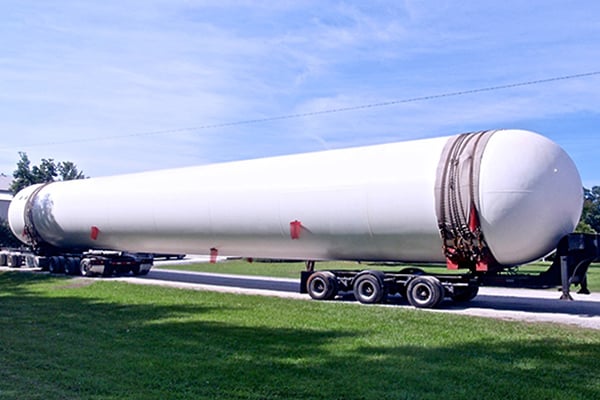
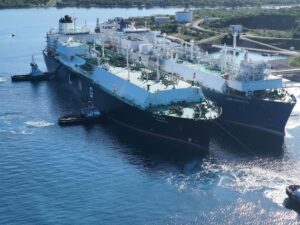
- LPG road tankers and ship cargo systems
- Shelf Life:
- Indefinite when stored in properly sealed pressurized containers
3. Core Industrial Applications
LPG is extensively utilized across multiple industries due to its portability, combustion efficiency, and operational flexibility.
Primary Industries Using LPG:
- Petrochemical and refining industries
- Manufacturing and metal processing
- Food processing and commercial kitchens
- Agriculture and crop drying
- Construction and building materials production
- Power generation and backup energy systems
Operational Use Cases:
- Industrial heating and furnace fuel
- Metal cutting, welding, and brazing operations
- Glass and ceramics manufacturing kilns
- Steam generation in boilers
- Crop drying and greenhouse heating
- Forklift and industrial vehicle fuel
Performance Advantages:
- Higher combustion efficiency compared to many liquid fuels
- Lower particulate and sulfur emissions
- Rapid heat generation and controllable flame characteristics
- Reliable off-grid energy solution where natural gas infrastructure is unavailable
- Lower maintenance requirements for combustion equipment
4. Competitive Advantages
- Quality Consistency: Produced and refined under strict international fuel standards ensuring reliable combustion performance.
- Supply Reliability: Stable availability through global refinery and gas processing networks.
- Logistics Capability: Efficient international transport via pressurized cylinders, ISO tanks, and marine LPG carriers.
- Price Competitiveness: Typically more cost-effective than diesel and other liquid fuels for industrial heating applications.
- Environmental Benefits: Cleaner-burning fuel with reduced carbon intensity and minimal sulfur emissions compared to heavy fuel oils.
- Technical Documentation: Full specification sheets, safety data sheets (SDS), and compliance documentation available for industrial buyers.
5. Commercial & Supply Information
- Minimum Order Quantity (MOQ): BULK 20 MT
- Loading Capacity:
- ISO Tank Container: ~20–24 MT per container
- Bulk LPG Tanker: Variable depending on vessel capacity
- Cylinder shipments available for regional distribution.


Reviews
There are no reviews yet.