
Description
1. Product Overview
Industrial Palm Kernel Residue is a by-product generated during the mechanical or solvent extraction of oil from palm kernels. Rich in fiber, residual oils, and organic nutrients, it serves as a valuable industrial raw material across multiple sectors including animal nutrition, biomass energy, and organic agricultural inputs. The product provides a cost-effective bulk resource that supports circular processing within the palm oil value chain. Its strategic importance lies in its ability to transform oil-processing residues into commercially useful feedstock, helping industries lower raw material costs while supporting sustainable resource utilization.
2. Key Specifications & Technical Characteristics
- Material Composition: Residual Palm Kernel Fiber, Protein Fractions, Residual Oils, Organic Nutrients, Natural Minerals
- Typical Residual Oil Content: 5–12% (depending on extraction method)
- Crude Protein Content: Typically 14–20%
- Fiber Content: High fiber (approximately 15–20%)
- Purity/Grade: Industrial Grade (Oil Extraction By-product)
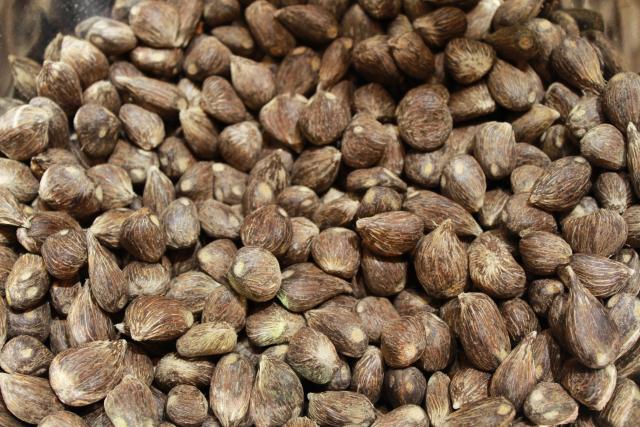
- Physical Form: Granular, coarse meal, or fibrous residue
- Color: Light brown to dark brown
- Odor: Natural nutty or mild vegetal odor
- Moisture Content: Typically 8–12%
- Bulk Density: Approximately 550–650 kg/m³
- Particle Size: Variable coarse particles depending on milling process
- Packaging Options: Bulk cargo, jumbo bags (1 MT), or compressed bulk loads
- Shelf Life: Typically 6–12 months when stored in dry, ventilated conditions
3. Core Industrial Applications
Animal Feed Manufacturing
Widely used in compound feed formulations for cattle, sheep, goats, and other ruminants due to its balanced protein and fiber profile. It provides an economical energy and fiber source in large-scale feed production.
Biomass Energy & Industrial Fuel
Used as a renewable biomass fuel for industrial boilers and energy generation. The fibrous organic structure delivers stable combustion characteristics suitable for biomass power systems.
Organic Fertilizer & Soil Amendment Production
Used as a base organic material in composting operations and organic fertilizer manufacturing. Its nutrient profile supports microbial activity and soil conditioning.
Industrial Processing & Biochemical Feedstock
Applied in fermentation processes and biomass conversion technologies where lignocellulosic organic material is required.
Compared with many alternative agricultural residues, palm kernel residue offers a consistent nutrient composition, favorable energy content, and reliable large-volume supply from established palm oil processing industries, making it a preferred industrial feedstock.
4. Competitive Advantages
- Quality Consistency: Sourced from standardized palm kernel oil extraction processes ensuring stable material characteristics
- Supply Reliability: Continuous availability due to high global palm oil production volumes
- Logistics Capability: Bulk handling, containerized shipment, and large-scale loading infrastructure available for international trade
- Price Competitiveness: Cost-effective alternative to higher-priced protein meals or biomass materials
- Sustainability Benefits: Valorizes agricultural processing residues and supports circular resource utilization
- Technical Documentation: Specifications and material safety information available to support procurement and compliance requirements
5. Commercial & Supply Information
- Minimum Order Quantity (MOQ): BULK 20 MT
- Loading Capacity: 20–25 MT per 20’ container depending on packaging configuration

Reviews
There are no reviews yet.