
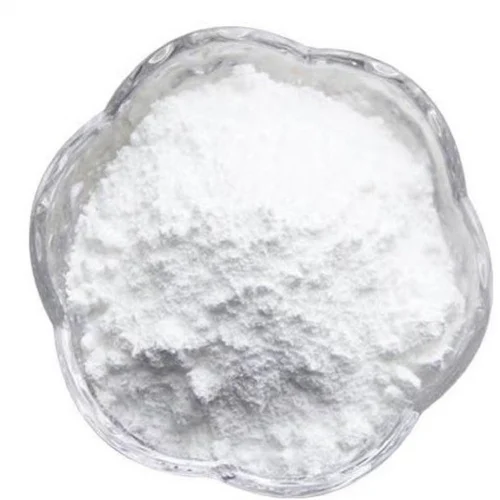
Description
1. Product Overview
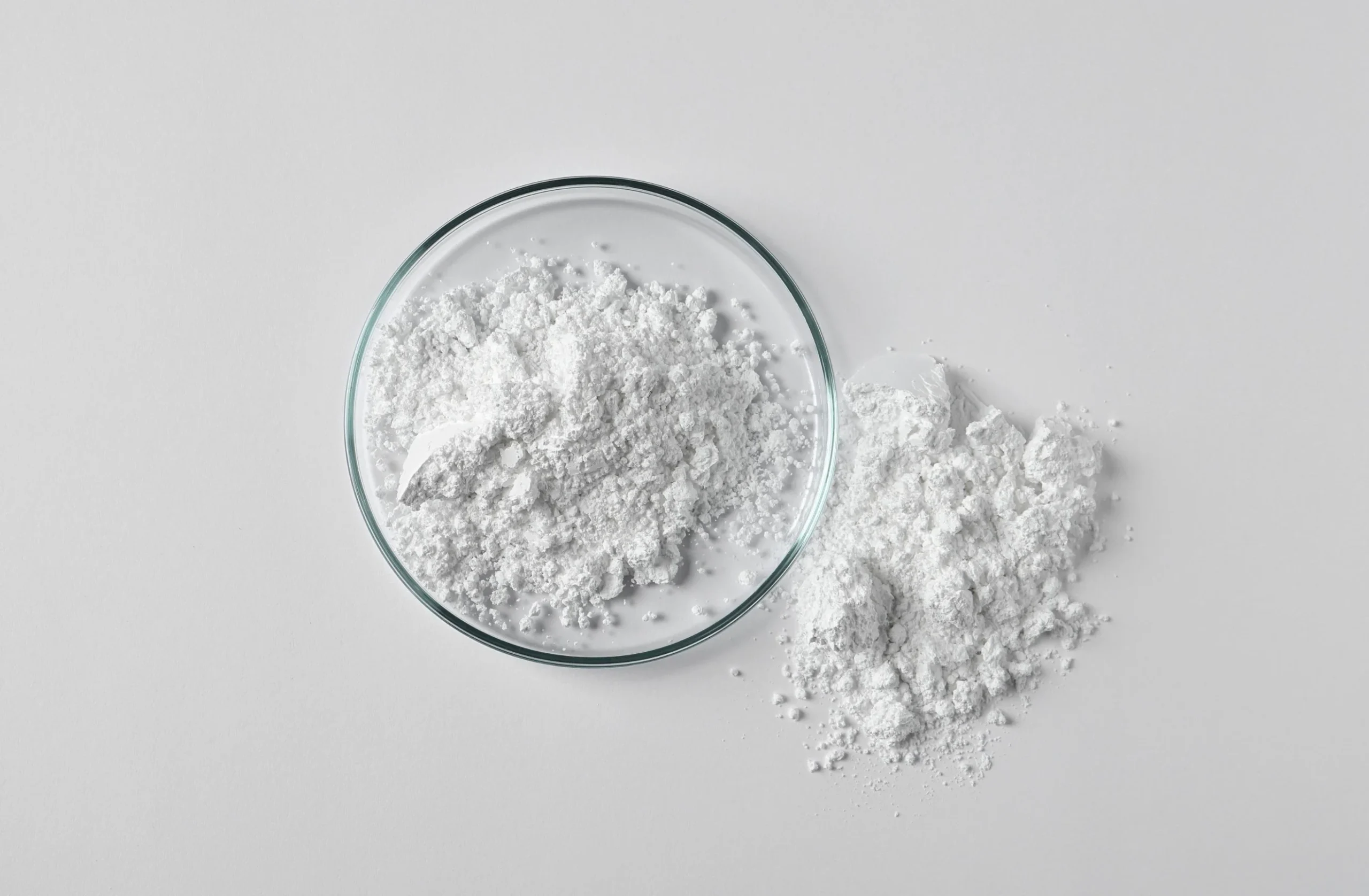
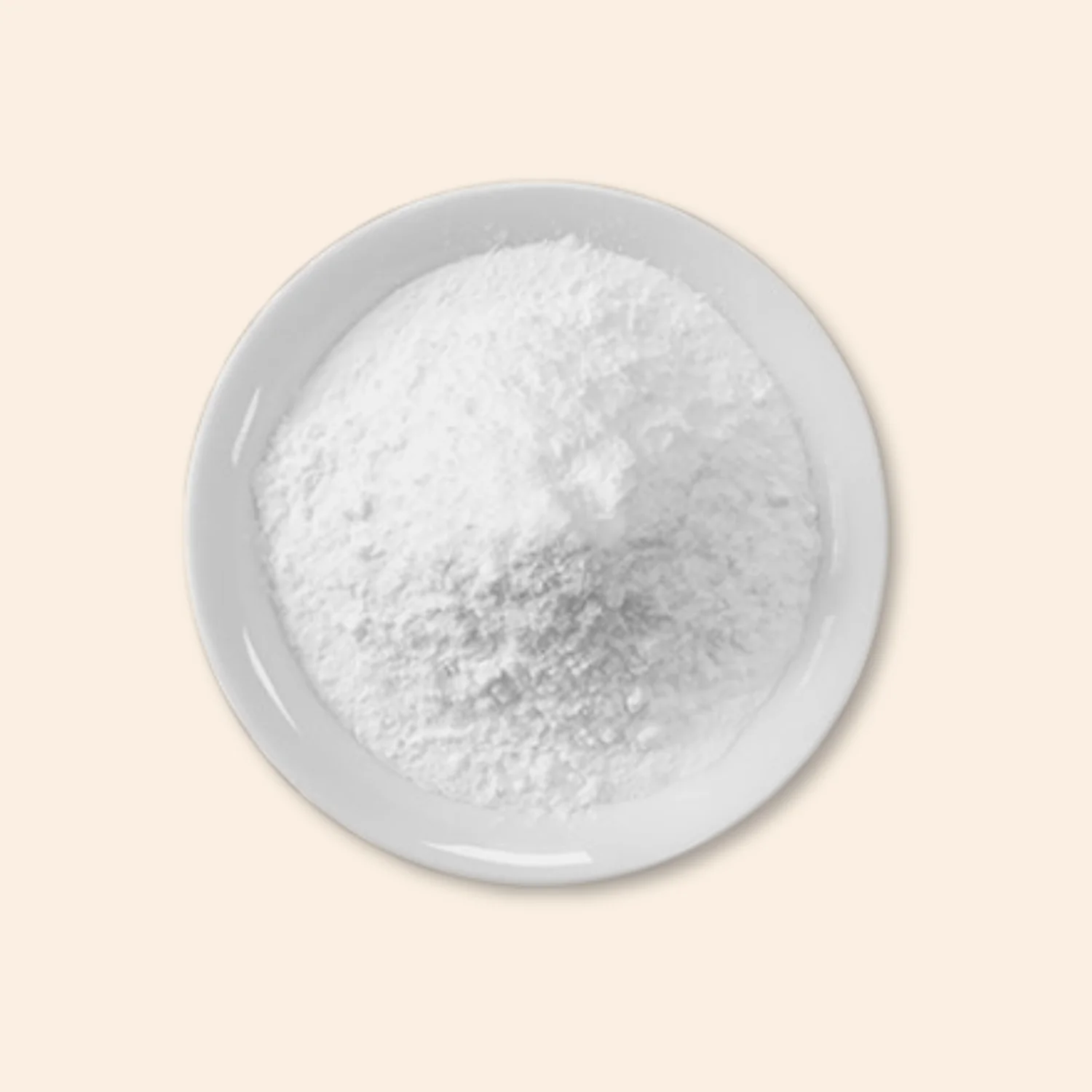
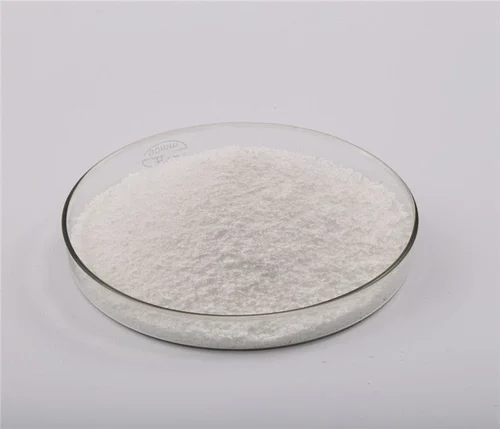
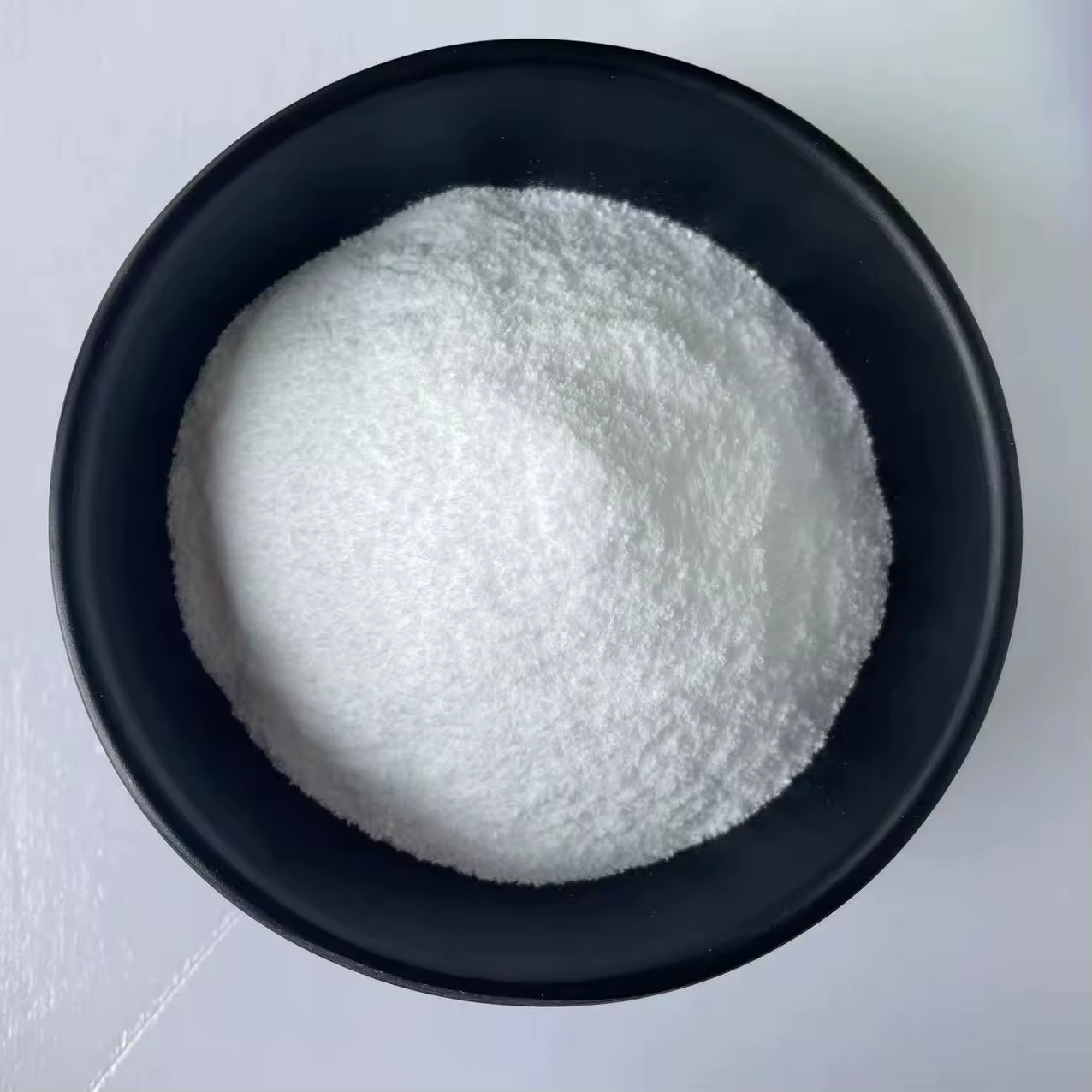
Industrial Collagen Residue is a protein-rich by-product generated during the processing and extraction of collagen from animal-based raw materials. Containing residual collagen fibers, organic proteins, and structural biomaterials, it serves as a valuable secondary resource for several industrial manufacturing and processing applications. The material is widely utilized in sectors such as animal feed production, fertilizer manufacturing, bio-based materials, and industrial protein recovery. Its primary value lies in providing a cost-efficient source of organic protein and nitrogen for large-scale industrial use. As industries increasingly prioritize circular resource utilization and sustainable raw materials, Industrial Collagen Residue plays a strategic role in converting processing by-products into commercially valuable inputs.
2. Key Specifications & Technical Characteristics
- Chemical Composition: Residual Collagen Proteins, Structural Animal Proteins, Organic Nitrogen Compounds, Trace Minerals, Moisture
- Protein Content: Typically 40–70% depending on processing method
- Purity/Grade: Industrial Grade (Protein By-product)
- Physical Form: Fibrous solid, granulated material, or semi-dried mass depending on processing stage
- Color: Light beige to brown
- Odor: Mild organic or proteinaceous odor
- Particle Size: Variable (can be processed into powder or granules if required)
- Density: Approx. 0.45 – 0.75 g/cm³ (bulk density depending on form)
- Packaging Options: Bulk sacks (500–1000 kg), industrial jumbo bags, or compressed bulk loads
- Shelf Life: Typically 6–12 months when stored in dry, well-ventilated conditions
3. Core Industrial Applications
Animal Feed Manufacturing
Industrial Collagen Residue is used as a protein-rich additive in feed formulations and feed processing, contributing organic nitrogen and structural proteins that support nutritional supplementation.
Organic Fertilizer & Soil Amendment Production
The material is widely used as a natural nitrogen source in organic fertilizers and soil conditioners. The slow-release protein-based nitrogen enhances soil microbial activity and long-term soil fertility.
Biomaterial & Bio-based Manufacturing
Residual collagen fibers can be utilized as a base material for bio-based binders, biodegradable composites, and industrial protein-derived materials.
Industrial Protein Recovery & Hydrolysate Production
In biochemical processing, collagen residue can be hydrolyzed into collagen peptides or amino-acid-rich hydrolysates used in industrial fermentation or specialty chemical processes.
Compared with synthetic nitrogen sources or purified proteins, Industrial Collagen Residue provides a significantly lower-cost input while maintaining functional protein value for industrial-scale operations.
4. Competitive Advantages
- Quality Consistency: Sourced from controlled collagen extraction processes ensuring stable protein content and predictable industrial performance
- Supply Reliability: Generated in continuous volumes from established collagen processing facilities
- Logistics Capability: Suitable for bulk shipping via jumbo bags or containerized cargo for international distribution
- Price Competitiveness: Highly economical compared with refined protein materials or specialty organic nitrogen sources
- Sustainability Benefits: Supports circular manufacturing by converting collagen-processing by-products into valuable industrial inputs
- Technical Documentation: Product specifications, safety data sheets, and industrial handling guidelines available for procurement and compliance support
5. Commercial & Supply Information
- Minimum Order Quantity (MOQ): BULK 20 MT
- Loading Capacity: 20–25 MT per 20’ container depending on packaging configuration

Reviews
There are no reviews yet.