
Description
1. Product Overview
Industrial Xylitol Residue is a secondary output generated during the large-scale production and crystallization of xylitol from biomass-derived xylose streams. The material typically contains residual polyols, sugars, organic compounds, and process solids, making it a valuable feedstock for industrial recovery, fermentation, and energy applications. It is widely utilized in biochemical processing, feedstock recovery, bioenergy generation, and industrial fermentation systems. By converting production residue into a functional industrial input, Industrial Xylitol Residue offers significant cost advantages compared with primary raw materials. Its strategic importance lies in enabling resource efficiency, reducing manufacturing waste, and supporting circular production models across multiple industrial sectors.
2. Key Specifications & Technical Characteristics
- Chemical Composition: Residual Xylitol, Other Polyols (such as sorbitol or arabitol), Unconverted Sugars, Organic Acids, Process Solids, Water
- Purity/Grade: Industrial Grade (By-product from xylitol manufacturing)
- Residual Polyol Content: Typically 10–40% combined polyols depending on processing conditions
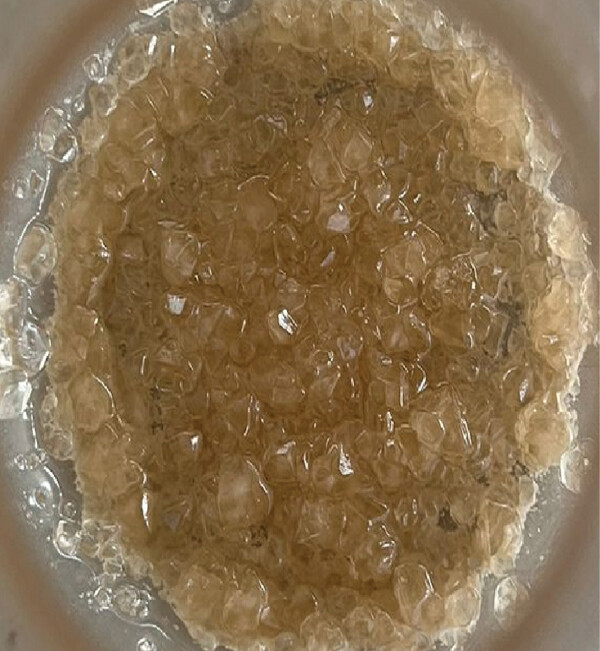
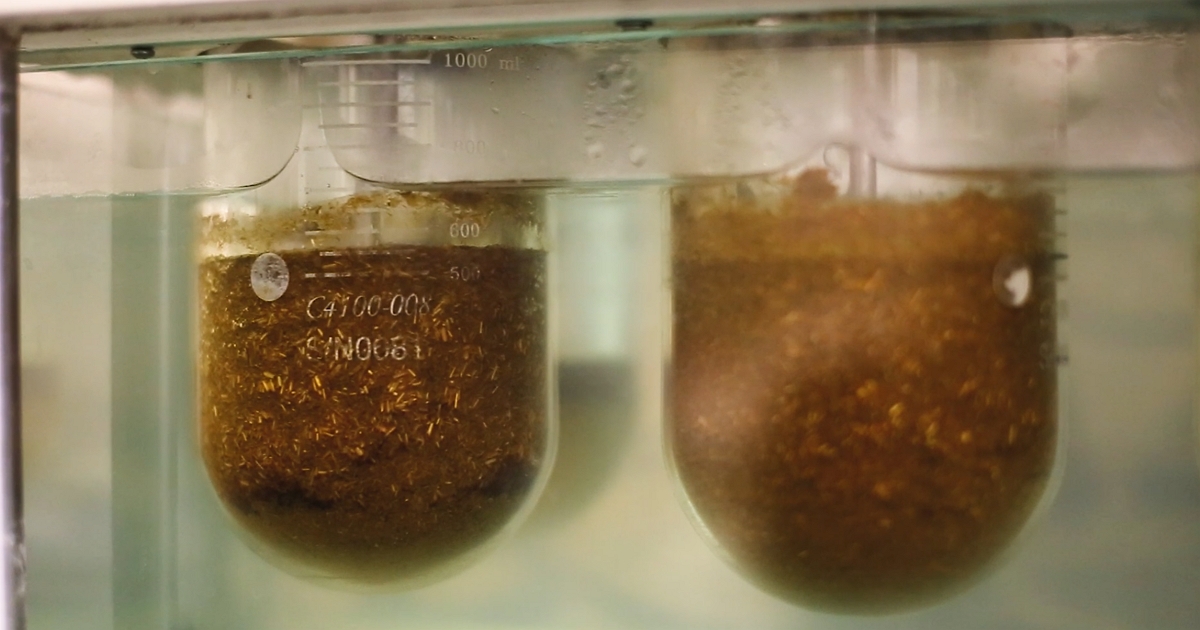
- Physical Form: Viscous liquid or semi-solid slurry (may vary by batch)
- Color: Light brown to dark brown
- Odor: Mild organic or fermentation odor
- Density: Typically 1.10 – 1.30 g/cm³ (liquid phase)
- Solubility: Highly soluble or dispersible in water depending on composition
- Moisture Content: Variable depending on concentration and drying stage
- Packaging Options: Bulk tanker loads, IBC containers (1000L), or industrial drums (200L)
- Shelf Life: Typically 6–12 months under sealed storage conditions
3. Core Industrial Applications
Biochemical & Fermentation Industry
Used as an economical carbon source in industrial fermentation processes where residual sugars and polyols support microbial growth. It is particularly suitable for producing organic acids, enzymes, or bio-based chemicals.
Bioenergy & Biomass Conversion
Utilized as an organic feedstock in anaerobic digestion or bioenergy systems due to its high organic carbon content, enabling energy recovery from industrial residues.
Chemical Recovery & Processing
Industrial facilities may recover residual polyols or convert the material into secondary chemicals, improving overall production efficiency and reducing waste.
Industrial Feedstock Blending
Used as a supplementary carbon-rich ingredient in industrial formulations requiring fermentable substrates.
Compared with refined polyols or purified carbon substrates, Industrial Xylitol Residue provides a substantially lower-cost alternative while still delivering the organic content necessary for fermentation and energy generation. Its versatility allows industries to convert process waste into productive operational inputs.
4. Competitive Advantages
- Quality Consistency: Generated from controlled industrial xylitol production systems ensuring relatively stable composition
- Supply Reliability: Continuous availability from large-scale polyol manufacturing facilities
- Logistics Capability: Bulk liquid and containerized shipping options designed for international industrial supply chains
- Price Competitiveness: Significantly lower cost than refined sugars or polyols used in fermentation processes
- Sustainability Benefits: Supports circular manufacturing by repurposing industrial by-products and minimizing production waste streams
- Technical Documentation: Product specifications, safety data sheets, and handling guidelines available to support procurement and compliance requirements
5. Commercial & Supply Information
- Minimum Order Quantity (MOQ): BULK 20 MT
- Loading Capacity: 20–24 MT per 20’ container depending on packaging configuration



Reviews
There are no reviews yet.