

Description
1. Product Overview
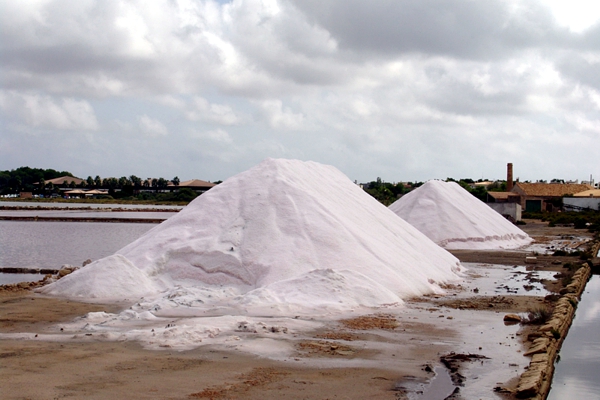
Waste Brine Evaporation Residue is a solid by-product generated from the industrial evaporation and concentration of saline wastewater streams, typically originating from chemical processing, desalination, chlor-alkali production, and industrial brine treatment systems. The material consists primarily of concentrated inorganic salts and mineral solids recovered after the removal of water through thermal or mechanical evaporation processes.
Industrially, it is utilized as a secondary raw material in sectors that can recover value from salt-based mineral compositions, including chemical manufacturing, cement production, and mineral recovery operations. Its key value proposition lies in converting a waste stream into a usable industrial input, enabling cost savings and resource efficiency.
As industries increasingly prioritize circular economy practices and waste minimization, Waste Brine Evaporation Residue has become strategically important as a sustainable and cost-effective feedstock for multiple downstream industrial processes.
2. Key Specifications & Technical Characteristics
- Chemical Composition: Predominantly sodium chloride (NaCl), with varying concentrations of calcium salts, magnesium salts, potassium salts, and trace mineral solids depending on source stream
- Purity / Grade: Industrial-grade mixed inorganic salt residue
- Physical Form: Solid crystalline residue or granular salt mass
- Color: Off-white to light gray (source dependent)
- Particle Size: Variable; typically coarse crystalline or milled granular fractions
- Moisture Content: Low residual moisture after evaporation process
- Bulk Density: Typically 0.9 – 1.4 g/cm³ (approximate, depending on composition)
- Packaging Options:
- Bulk loose loading
- 1 MT jumbo bags (FIBC)
- 25–50 kg industrial bags (upon request)
- Shelf Life: Stable under dry storage conditions with no significant degradation
3. Core Industrial Applications
Chemical Processing Industry
Used as a secondary mineral feedstock where sodium and mixed salt compositions can be recovered or integrated into chemical production processes. The residue can supplement raw salt requirements in non-critical industrial applications.
Cement & Construction Materials
Certain cement manufacturers and clinker production facilities utilize mineral salt residues as part of alternative raw material blends, contributing trace mineral content and reducing reliance on virgin resources.
Industrial Waste Treatment & Resource Recovery
Facilities engaged in mineral recovery or salt reclamation processes may process the residue further to extract reusable salts such as sodium chloride or other industrial minerals.
Road De-icing & Dust Control (Regional Applications)
In suitable compositions, the material can be processed and applied for road treatment or dust suppression applications, providing a cost-efficient alternative to refined salts.
Compared with primary mined salt materials, Waste Brine Evaporation Residue offers a lower-cost mineral input while supporting waste reduction and circular resource utilization across multiple industrial sectors.
4. Competitive Advantages
- Quality Consistency: Process-controlled residue sourced from regulated industrial evaporation systems
- Supply Reliability: Continuous availability tied to stable industrial brine processing operations
- Logistics Capability: Bulk export handling with containerized or bulk bag shipping options
- Price Competitiveness: Significantly lower cost compared to primary mined mineral salts
- Sustainability Benefits: Supports industrial waste valorization and circular economy objectives
- Documentation & Technical Data: Composition analysis and material documentation available upon request
This product enables buyers to secure a reliable, cost-efficient mineral input while advancing sustainable procurement strategies.
5. Commercial & Supply Information
- Minimum Order Quantity (MOQ): BULK 20 MT
- Loading Capacity: Approximately 20–25 MT per 20 ft container depending on packaging configuration and material density.

Reviews
There are no reviews yet.