


Description
1. Product Overview
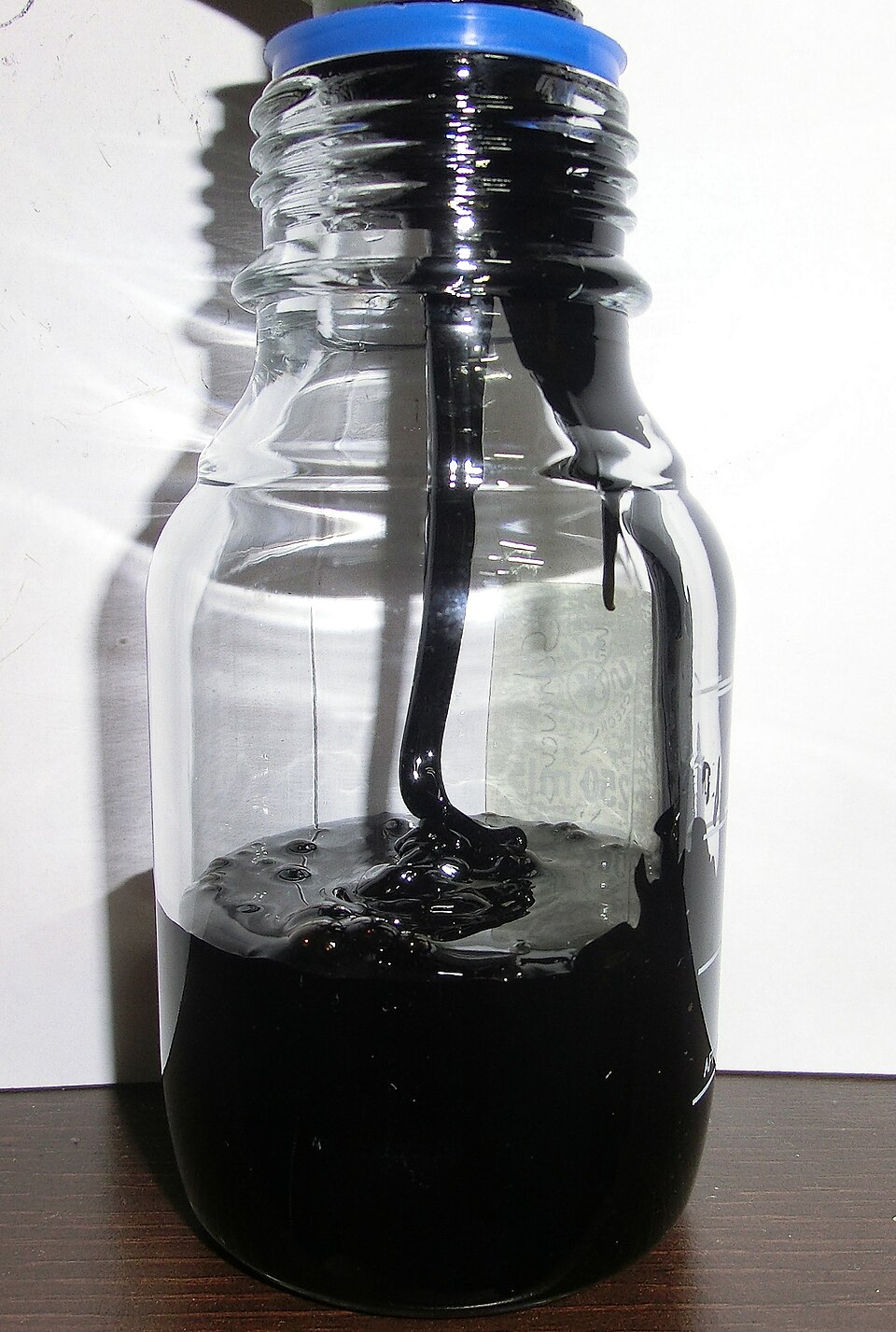
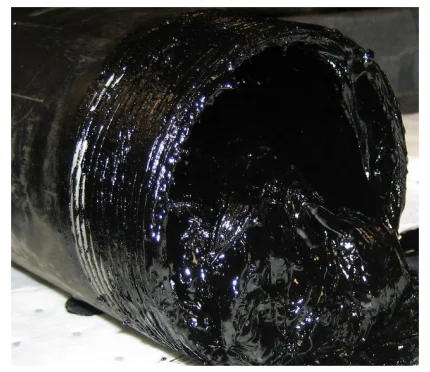
Thermal Oil Residue is a heavy hydrocarbon by-product generated from industrial heat transfer systems that utilize thermal oils in high-temperature operations. This material contains concentrated carbon-rich compounds and residual hydrocarbons that make it valuable for secondary industrial processing and energy recovery applications. It is widely utilized as a supplemental fuel source, raw material for carbon recovery, and feedstock in various industrial manufacturing processes. Due to its high calorific value and recyclability, Thermal Oil Residue represents a cost-efficient and resource-optimizing solution for industries seeking to maximize energy utilization and reduce waste streams.
2. Key Specifications & Technical Characteristics
- Material Composition: Heavy hydrocarbons, carbonaceous residues, degraded thermal oil compounds
- Purity/Grade: Industrial-grade by-product suitable for energy recovery and material processing
- Physical Form: Semi-solid to viscous heavy residue
- Color: Dark brown to black
- Density: Typically 0.95 – 1.10 g/cm³ (varies by source)
- Calorific Value: High energy content suitable for industrial fuel blending
- Particle/Material Characteristics: Sticky, dense residue with carbon-rich content
- Packaging Options:
- Bulk containers
- Steel drums
- Tanker loading for bulk shipments
- Shelf Life: Stable under sealed storage conditions; recommended storage in cool, dry environments
3. Core Industrial Applications
Energy & Fuel Blending
Thermal Oil Residue is commonly used as a supplemental industrial fuel or blended with other heavy fuels to increase calorific value and reduce energy costs in large-scale combustion systems.
Carbon Recovery & Processing
Industries involved in carbon material recovery and processing use Thermal Oil Residue as a feedstock due to its high carbon content and energy density.
Cement & Heavy Industry Kilns
Cement manufacturers and high-temperature industrial kilns utilize this residue as an alternative fuel source to support sustainable energy strategies and reduce reliance on conventional fuels.
Industrial Waste-to-Energy Systems
Facilities designed for energy recovery from industrial by-products employ Thermal Oil Residue as an efficient feedstock for controlled combustion and heat generation.
Compared to conventional fuels or waste streams, Thermal Oil Residue offers superior energy density, lower procurement cost, and the added benefit of recycling industrial by-products into productive applications.
4. Competitive Advantages
- Consistent Industrial Quality: Carefully sourced and processed residue ensuring stable composition for industrial use
- Reliable Bulk Supply: Continuous availability suitable for long-term procurement contracts
- Efficient Global Logistics: Capable of bulk export and containerized shipping to international buyers
- Cost-Effective Energy Feedstock: Provides a lower-cost alternative to conventional heavy fuels
- Sustainability Benefits: Supports circular industrial economy by converting waste streams into usable resources
- Technical Transparency: Documentation and material specifications available to support industrial procurement and compliance requirements
5. Commercial & Supply Information
- Minimum Order Quantity (MOQ): BULK 20 MT
- Loading Capacity: Approximately 20–22 MT per 20 ft container depending on packaging format and density.


Reviews
There are no reviews yet.