
Description
1. Product Overview
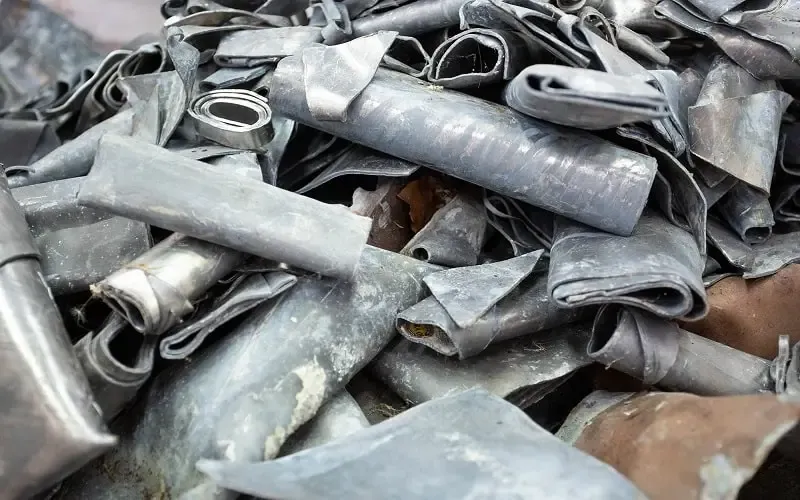
Recycled Lead is a high-value secondary metal recovered through advanced smelting and refining processes from post-consumer and industrial lead-bearing materials. It serves as a critical raw material for manufacturing batteries, radiation shielding components, cable sheathing, and various lead-based alloys. Offering performance characteristics comparable to primary lead, recycled lead provides manufacturers with a cost-efficient and environmentally responsible sourcing alternative. In the global metals supply chain, recycled lead is strategically important due to its high recovery efficiency, stable supply potential, and increasing demand from battery, energy storage, and industrial manufacturing sectors.
2. Key Specifications & Technical Characteristics
- Material Composition: Metallic Lead (Pb) recovered from recycled lead-bearing materials
- Purity Level / Grade: Typically 99.90% – 99.99% Pb depending on refining grade
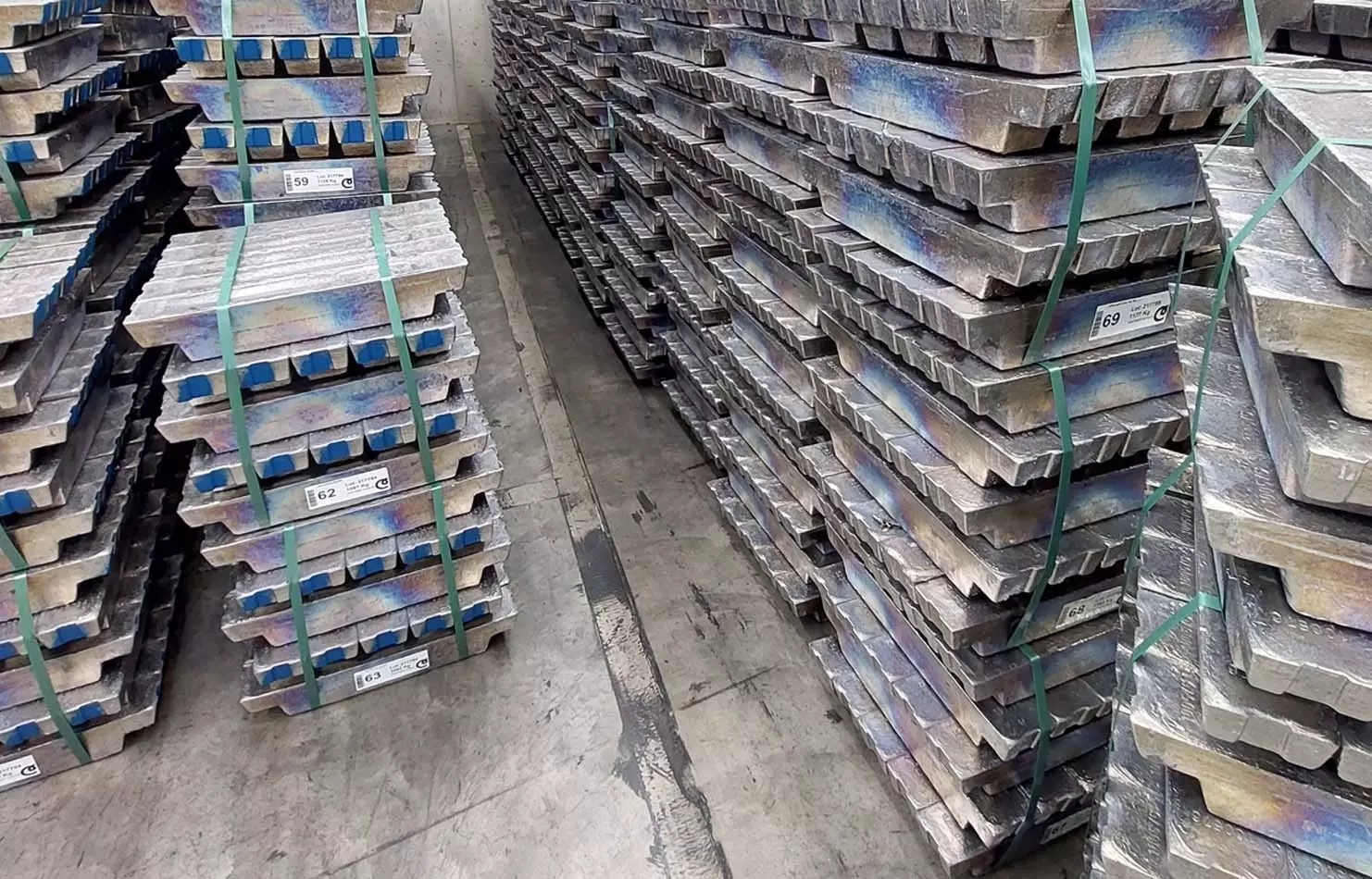
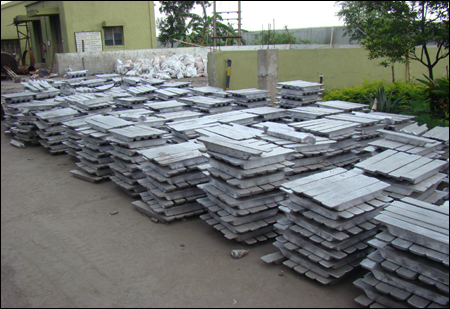
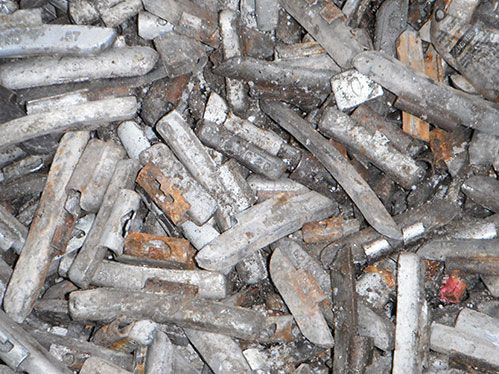
- Form: Lead ingots, blocks, or pigs
- Color / Appearance: Metallic silver-gray with smooth cast surface
- Density: ~11.34 g/cm³
- Melting Point: Approximately 327.5°C
- Impurity Elements: Trace levels of antimony, tin, copper, bismuth, arsenic (controlled depending on grade)
- Packaging Options:
- Standard stacked ingots on wooden pallets
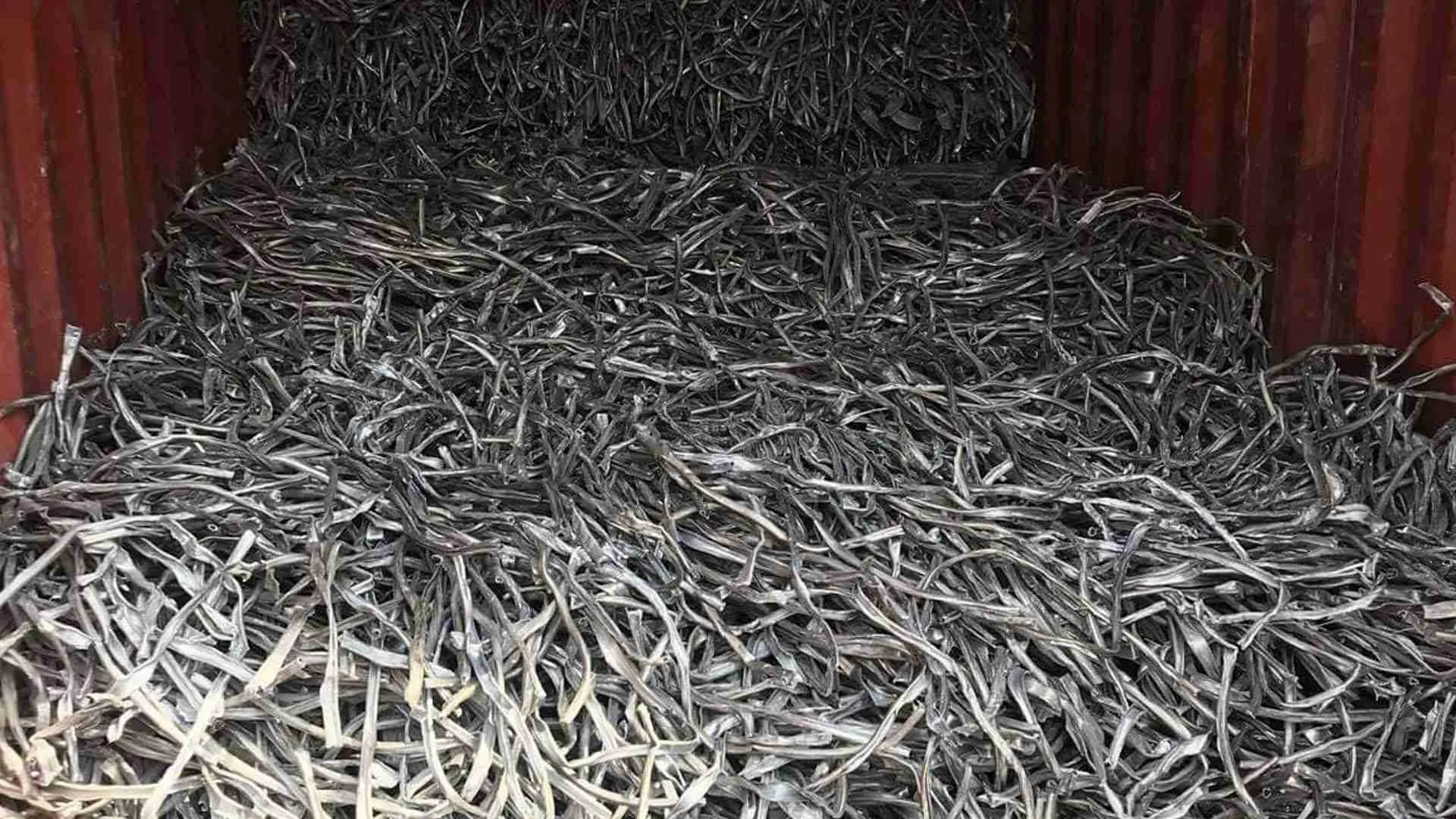
- Bulk metal bundles with steel strapping
- Custom packaging available upon request
- Shelf Life: Indefinite under dry, controlled storage conditions
3. Core Industrial Applications
Battery Manufacturing
The largest application for recycled lead is in the production of lead-acid batteries used in automotive, industrial, telecom backup power, and energy storage systems. The metal’s electrochemical properties ensure reliable conductivity and long battery life.
Lead Alloy Production
Recycled lead is widely used as a base metal for manufacturing lead-based alloys containing antimony, calcium, or tin, which are essential for grid casting and specialty industrial components.
Radiation Shielding & Construction Materials
Due to its high density and radiation absorption capacity, recycled lead is used in medical facilities, nuclear applications, and protective shielding products.
Cable Sheathing & Industrial Components
Lead’s corrosion resistance and durability make it suitable for protective cable coatings, soundproofing, and vibration dampening components.
Compared to primary lead, recycled lead offers equivalent performance while reducing production costs and minimizing the environmental impact associated with mining and ore processing.
4. Competitive Advantages
- Consistent Quality Control: Refined to meet strict industrial purity standards suitable for battery and alloy manufacturing
- Reliable Supply Stream: Continuous sourcing from established recycling and recovery channels
- Global Logistics Capability: Bulk export-ready packaging and efficient containerized shipping
- Cost Efficiency: Competitive pricing relative to primary mined lead without compromising performance
- Sustainability Value: Supports circular metal economies by reducing mining demand and lowering carbon footprint
- Technical Documentation: Material specifications and compliance documentation available upon request
5. Commercial & Supply Information
- Minimum Order Quantity (MOQ): BULK 20 MT
- Loading Capacity: 20–25 MT per 20-ft container depending on packaging configuration

Reviews
There are no reviews yet.