
Description
1. Product Overview
Tinplate Scrap is a high-demand ferrous secondary raw material consisting of steel sheets or containers coated with a thin layer of tin. It is widely used in steel recycling, metal recovery, and secondary smelting operations where both the steel substrate and residual tin content provide economic value. The material is typically generated from post-industrial manufacturing waste or post-consumer packaging such as food and beverage cans. With increasing global emphasis on resource efficiency and circular metal supply chains, tinplate scrap plays a strategically important role in reducing reliance on virgin ore while supporting cost-effective steel production.
2. Key Specifications & Technical Characteristics
- Material Composition: Low-carbon steel substrate coated with a thin layer of tin (Sn)
- Typical Metal Content: Steel (Fe) with trace tin coating; minor residual coatings or lacquer possible depending on source
- Purity Level / Grade: Generally 90–98% ferrous metal depending on sorting and processing quality
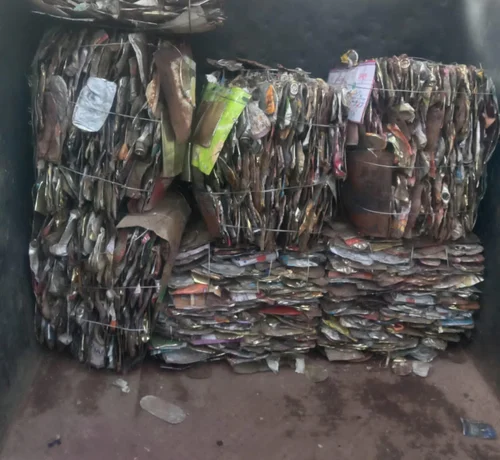
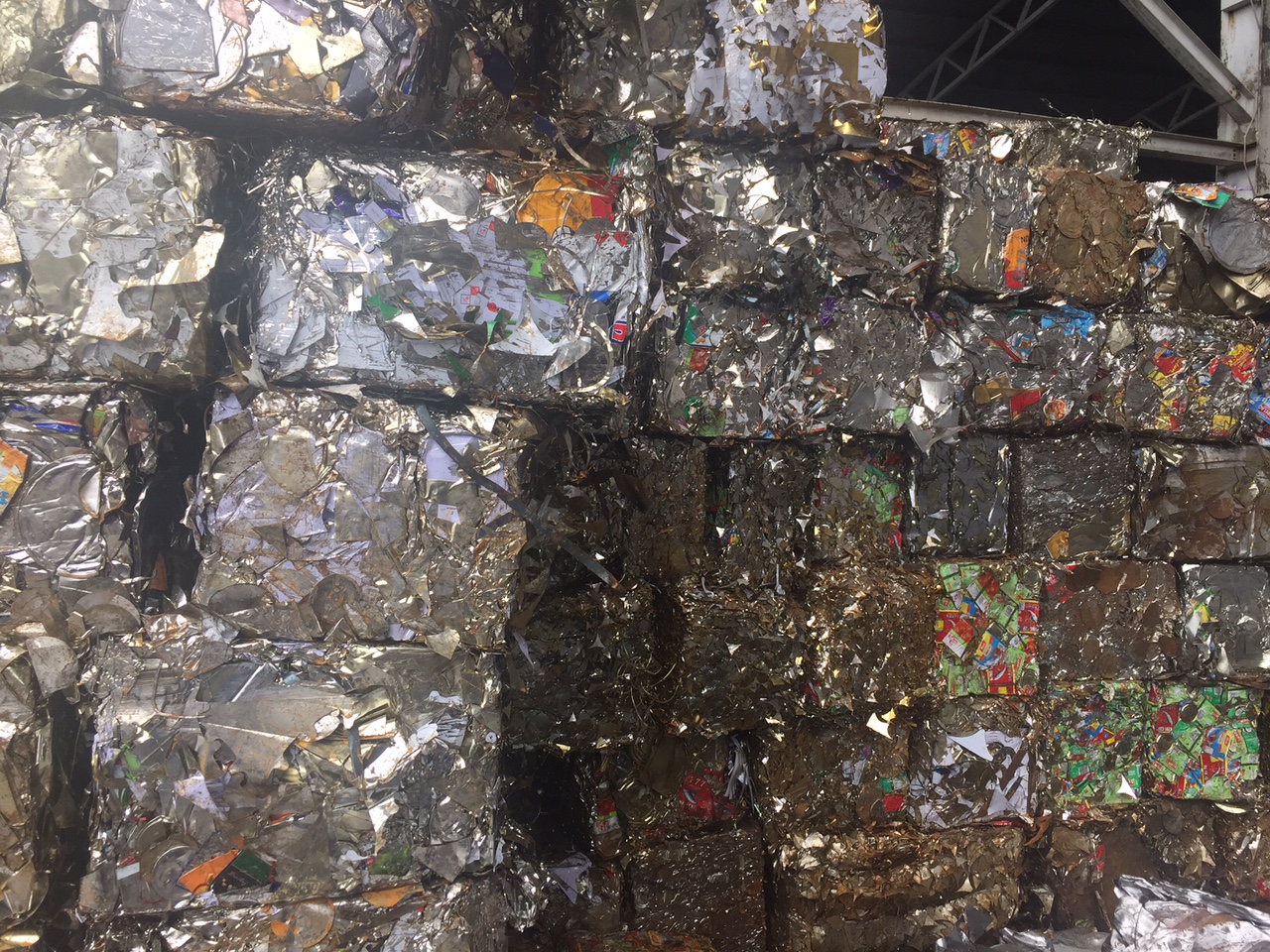
- Physical Form: Compressed scrap sheets, flattened cans, shredded pieces, or baled scrap
- Color: Silver-grey metallic with possible lacquer or paint residues
- Particle Size / Format: Loose scrap, shredded fragments, or compacted bales depending on processing method
- Bulk Density: Varies by form; typically 0.8–1.4 MT/m³ for baled material
- Processing: Sorted, magnetically separated, and compacted for transport efficiency
- Packaging Options: Loose bulk, compressed bales, or jumbo bags depending on buyer requirements
- Shelf Life: Indefinite when stored in dry conditions
3. Core Industrial Applications
Tinplate Scrap is widely utilized across multiple metal recycling and manufacturing sectors where ferrous recovery and tin-bearing scrap provide strong economic and operational value.
- Steel Recycling & Electric Arc Furnace (EAF) Operations: Used as a ferrous feedstock in steelmaking processes, contributing to efficient remelting and metal recovery.
- Secondary Tin Recovery: Processed in specialized facilities to extract residual tin coatings for reuse in metal plating and alloy production.
- Metal Smelting & Foundries: Integrated into scrap charge mixes where the steel substrate provides reliable metallic input.
- Packaging & Sheet Metal Manufacturing: Recycled steel recovered from tinplate scrap is reintroduced into the production cycle for new sheet metal products.
Compared with primary steel production from iron ore, recycling tinplate scrap significantly reduces energy consumption, lowers production costs, and shortens the raw material supply chain.
4. Competitive Advantages
- Quality Consistency: Professionally sorted and processed scrap streams with controlled contamination levels
- Reliable Supply: Continuous sourcing from industrial manufacturing and packaging recovery channels
- Efficient Logistics: Compacted bales or bulk loading optimize shipping efficiency and container utilization
- Price Competitiveness: Cost-effective alternative to virgin ferrous raw materials for steel producers
- Sustainability Benefits: Supports circular metal recycling, reduces landfill waste, and lowers carbon emissions associated with primary steel production
- Technical Documentation: Material specifications and quality verification available for industrial procurement
5. Commercial & Supply Information
- Minimum Order Quantity (MOQ): BULK 20 MT
- Loading Capacity: 20–25 MT per 20-ft container depending on packaging format and compaction density
Reviews
There are no reviews yet.