
Description
1. Product Overview
Nylon Scrap is a recyclable polyamide-based material generated from post-industrial and post-consumer nylon products. It serves as a valuable raw material for manufacturers seeking cost-efficient polymer feedstock for reprocessing and secondary production. Widely used in plastic recycling, compounding, and engineering plastics manufacturing, nylon scrap enables producers to maintain performance standards while significantly reducing material costs. In a market increasingly focused on circular economy principles and resource optimization, nylon scrap represents a strategic sourcing solution for sustainable polymer supply.
2. Key Specifications & Technical Characteristics
- Material Composition: Polyamide polymers (commonly Nylon 6 and Nylon 6,6)
- Purity Level / Grade: Typically 90–99% polyamide content depending on source and sorting quality
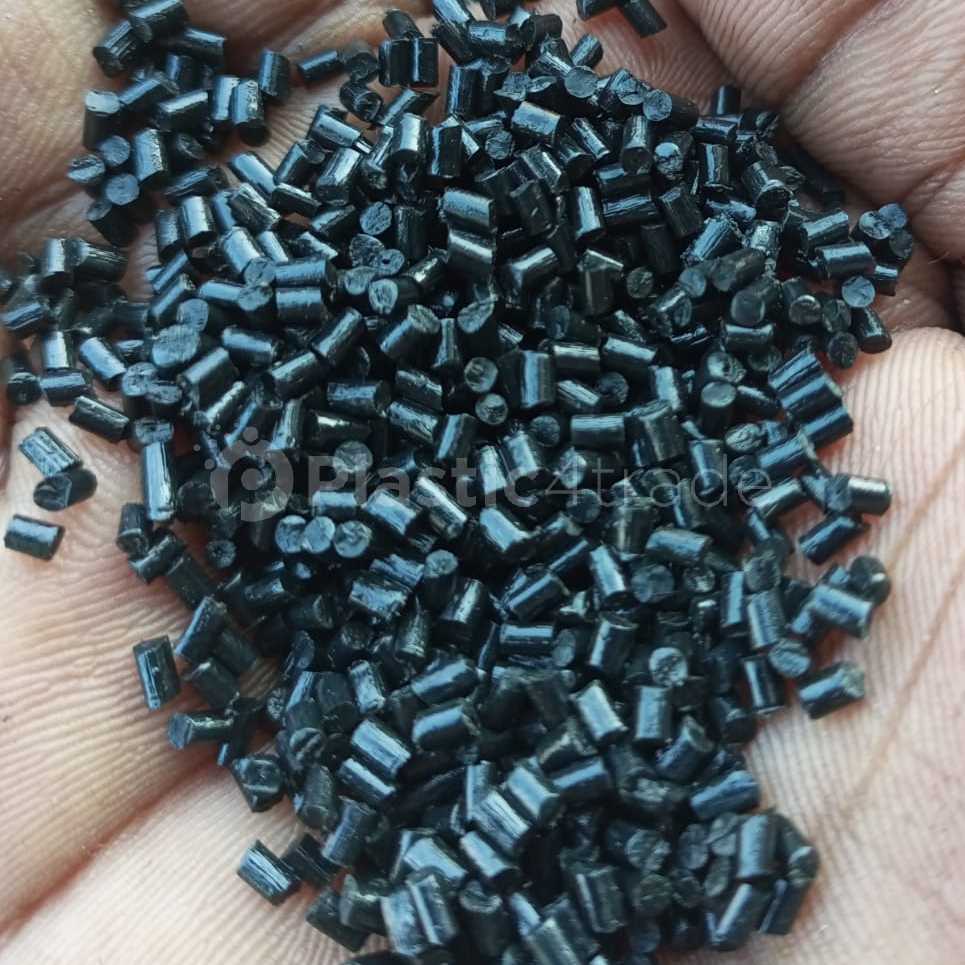
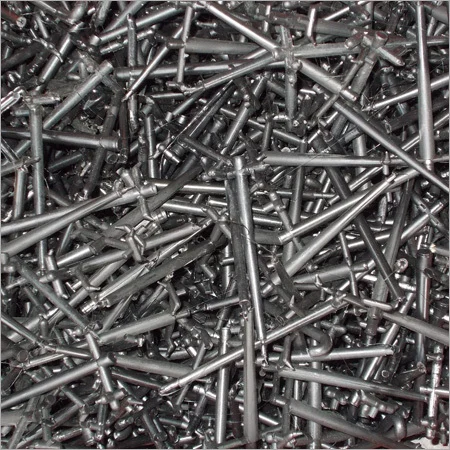
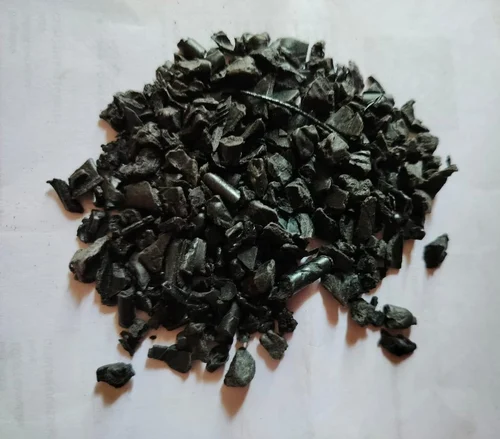
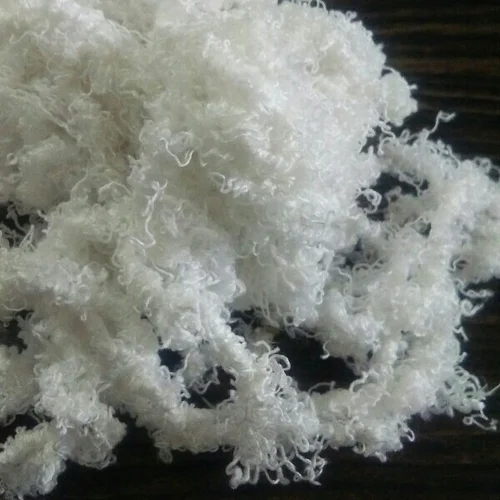
- Physical Form: Scrap pieces, regrind, fibers, or industrial off-cuts
- Color: Mixed or natural (off-white, black, or assorted colors depending on batch)
- Particle Size: Variable; commonly 5–50 mm fragments or processed regrind
- Density: Approx. 1.13–1.15 g/cm³ (typical for nylon materials)
- Moisture Content: Low moisture preferred; typically <1% depending on storage conditions
- Packaging Options:
- Jumbo bags (500–1000 kg)
- Compressed bales
- Bulk container loading
- Shelf Life: Stable under dry storage conditions with no direct UV exposure
3. Core Industrial Applications
Primary Industries:
- Plastic recycling and polymer reprocessing facilities
- Engineering plastics manufacturing
- Automotive component manufacturing
- Textile and fiber processing industries
- Industrial compounding and polymer modification sectors
Operational Use Cases:
- Reprocessing into recycled nylon pellets
- Production of engineering-grade plastic compounds
- Manufacturing automotive parts, electrical housings, and mechanical components
- Fiber regeneration for textile and industrial yarn applications
Performance & Economic Advantages:
- Maintains strong mechanical properties after recycling when properly processed
- Provides a cost-effective alternative to virgin polyamide resins
- Reduces production costs for plastic manufacturers
- Supports circular material flows and sustainable production practices
4. Competitive Advantages
- Quality Consistency: Carefully sorted and processed nylon scrap streams to maintain reliable material quality
- Supply Reliability: Stable sourcing channels enabling continuous industrial supply
- Logistics Capability: Efficient bulk export packaging and containerized global shipment
- Price Competitiveness: Lower cost compared to virgin engineering polymers while maintaining usability in industrial applications
- Sustainability Benefits: Supports circular economy initiatives by reducing plastic waste and conserving petrochemical resources
- Technical Documentation: Material details and shipment specifications available to support industrial procurement processes
5. Commercial & Supply Information
- Minimum Order Quantity (MOQ): BULK 20 MT
- Loading Capacity: 20–25 MT per 40 ft container depending on packaging configuration
Reviews
There are no reviews yet.