
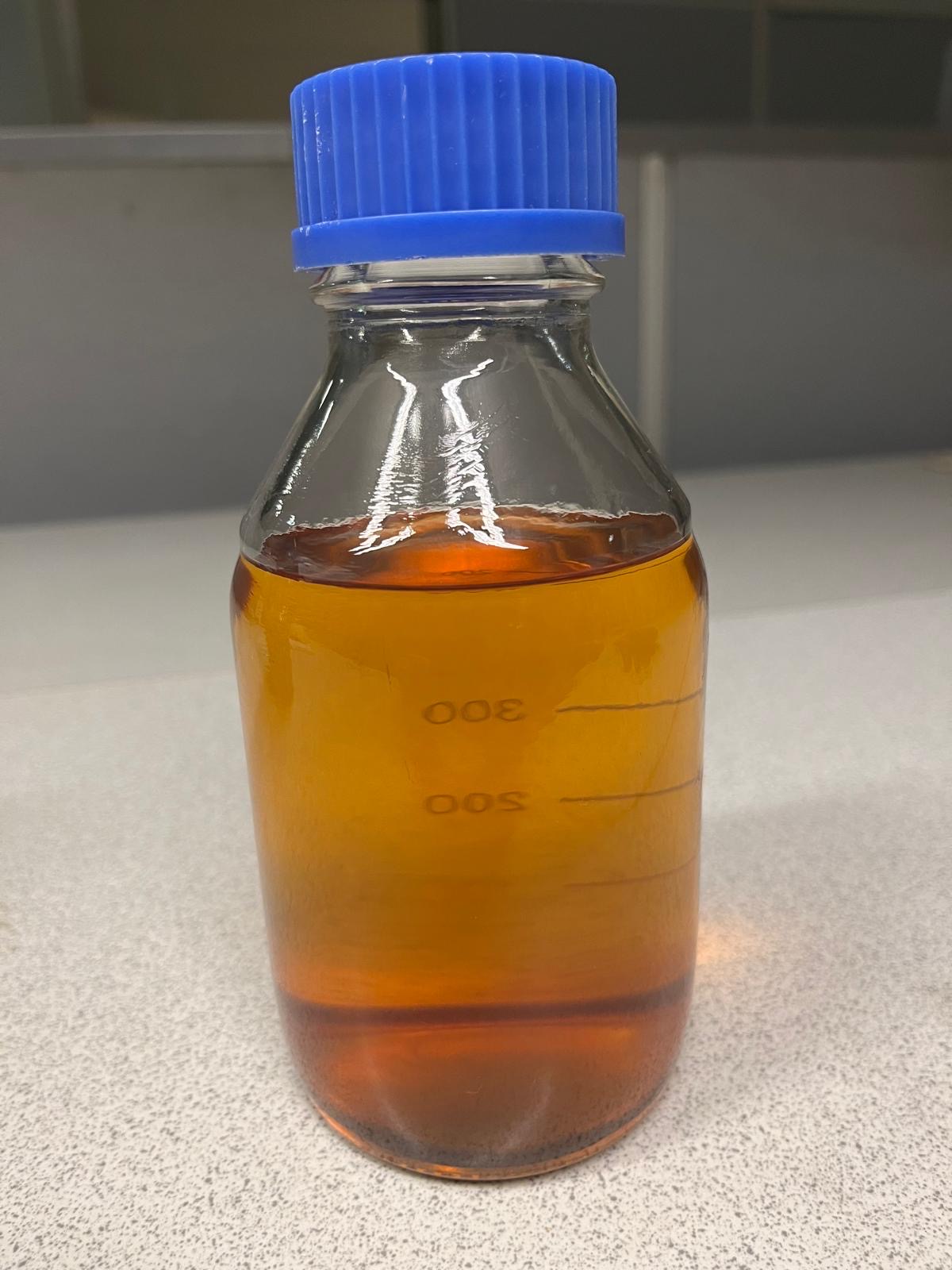

Description
001. Product Overview
Pyrolysis Oil is a liquid hydrocarbon fuel produced through the thermal decomposition of organic materials—commonly waste plastics, rubber, or biomass—under oxygen-free conditions. It serves as an alternative industrial fuel and feedstock for refineries, chemical processing facilities, and energy-intensive manufacturing operations. The product delivers strong calorific value and offers a cost-effective substitute for conventional fossil-based fuels in various thermal and energy generation applications. As industries increasingly prioritize circular economy solutions and waste-to-energy strategies, Pyrolysis Oil has become a strategically important resource that transforms waste streams into commercially valuable energy inputs.
2. Key Specifications & Technical Characteristics
- Chemical Composition: Complex mixture of hydrocarbons (C5–C20), including paraffins, olefins, aromatics, and naphthenes
- Typical Calorific Value: 38–42 MJ/kg
- Density: Approximately 0.92–0.98 g/cm³ at 15°C
- Viscosity: Moderate viscosity suitable for industrial burners and blending applications
- Sulfur Content: Typically 0.5–1.5% depending on feedstock
- Water Content: Generally below 2%
- Physical Form: Liquid fuel oil
- Color: Dark brown to black
- Flash Point: Typically above 40°C
- Packaging Options: Bulk tankers, ISO tanks, or industrial storage tanks
- Shelf Life: 6–12 months when stored in sealed, temperature-controlled storage
3. Core Industrial Applications
Energy & Industrial Fuel
Pyrolysis Oil is widely used as an alternative fuel in cement kilns, industrial boilers, furnaces, and power generation units. Its high calorific value makes it an efficient energy source for operations requiring consistent thermal output.
Petrochemical & Refining Feedstock
Refineries and chemical processors use Pyrolysis Oil as a supplementary feedstock for hydroprocessing, upgrading, or blending into fuel streams, enabling flexible raw material sourcing.
Waste-to-Energy Operations
Facilities converting waste plastics or rubber into energy rely on Pyrolysis Oil as the primary output, which can be utilized internally for energy recovery or sold as an industrial fuel.
Cost & Performance Benefits
Compared to conventional heavy fuel oil or diesel substitutes, Pyrolysis Oil offers competitive energy efficiency and lower procurement costs, particularly for large-scale industrial heating and combustion systems.
4. Competitive Advantages
- Quality Consistency: Controlled pyrolysis processing ensures stable calorific value and predictable fuel performance.
- Supply Reliability: Scalable production from abundant waste feedstocks supports steady long-term supply.
- Logistics Capability: Available for bulk transport via tankers, ISO containers, or dedicated storage systems for industrial-scale delivery.
- Price Competitiveness: Cost-efficient alternative to conventional fossil fuels, supporting lower operational energy expenses.
- Sustainability Value: Supports circular economy initiatives by converting waste materials into usable industrial fuel.
- Technical Documentation: Standard fuel specifications and safety documentation available to support procurement and compliance requirements.
5. Commercial & Supply Information
- Minimum Order Quantity (MOQ): BULK 20 MT
- Loading Capacity: Approximately 20–22 MT per 20’ container (ISO tank or tanker configuration)

Reviews
There are no reviews yet.