


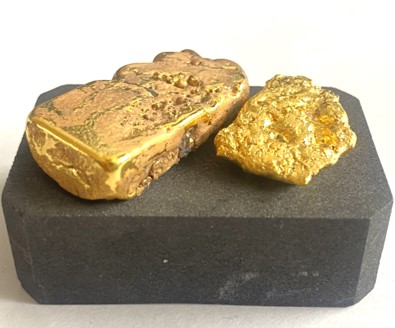

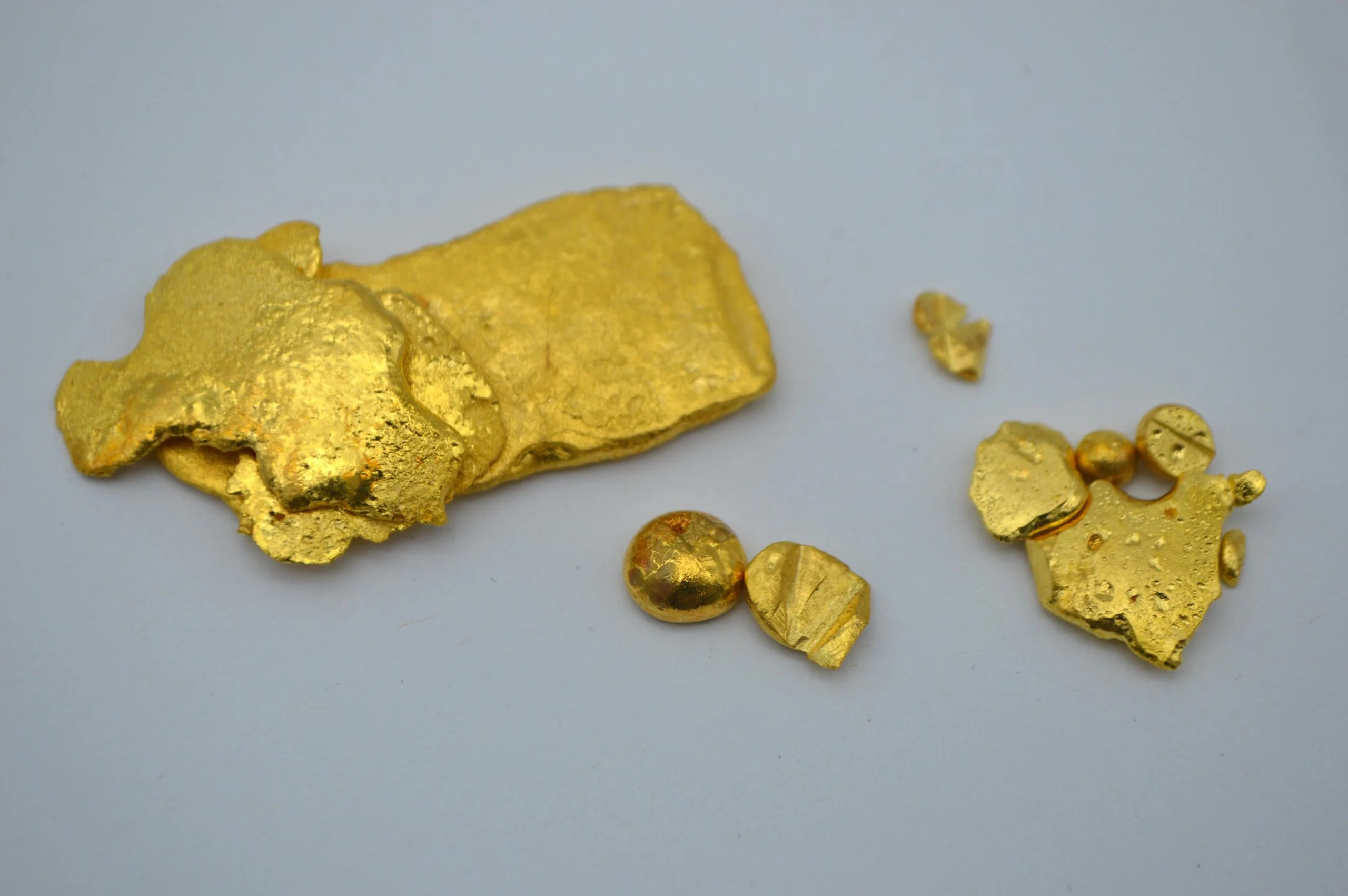
Description
1. Product Overview
Gold Recovery Residue is a secondary industrial material generated from gold extraction and refining processes, containing residual precious and base metals that retain significant recovery value. This material is widely utilized by specialized metal recovery, refining, and recycling facilities that extract remaining gold, silver, copper, and other valuable elements through advanced metallurgical processes. Its primary value lies in providing a cost-effective feedstock for precious metal recovery while supporting circular resource utilization in the mining and refining sectors. As global demand for precious metals continues to rise, Gold Recovery Residue has become strategically important for refiners and recycling operators seeking economically viable secondary raw materials.
2. Key Specifications & Technical Characteristics
- Material Composition: Residual precious metals (Au, Ag) with associated base metals such as Cu, Fe, Zn, and trace mineral compounds
- Typical Precious Metal Content: Variable depending on source batch (recoverable gold and silver content present)
- Purity / Grade: Industrial recovery-grade residue suitable for metallurgical processing
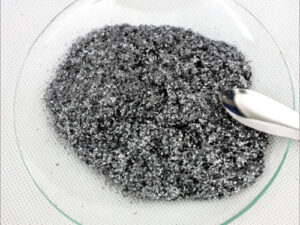
- Physical Form: Fine powder, granulated residue, or sludge depending on processing origin
- Color: Dark grey to black
- Particle Size: Typically fine particulate; may vary depending on upstream processing
- Bulk Density: Variable depending on moisture content and material composition
- Moisture Content: May contain residual moisture depending on storage and processing stage
- Packaging Options: Bulk jumbo bags, sealed industrial sacks, or containerized loose bulk loading
- Shelf Life: Stable under dry storage conditions; long-term storage possible without degradation
3. Core Industrial Applications
Precious Metal Refining
Gold Recovery Residue serves as an important secondary feedstock for precious metal refineries using hydrometallurgical or pyrometallurgical recovery methods to extract remaining gold and silver values.
Metal Recycling and Recovery Operations
Specialized recycling facilities process the residue to recover valuable metals, improving resource efficiency and reducing dependence on primary mining.
Metallurgical Processing Facilities
Industrial metallurgical plants utilize the material for chemical leaching, smelting, or electrochemical recovery operations to separate and concentrate precious and base metals.
Circular Economy Resource Recovery
Compared with primary ore sources, Gold Recovery Residue often offers higher concentration of recoverable metals relative to processing costs, delivering improved economic recovery efficiency for specialized refiners.
4. Competitive Advantages
- High Recovery Potential: Contains residual precious metals suitable for profitable downstream extraction
- Consistent Industrial Feedstock: Suitable for established refining and metallurgical recovery systems
- Reliable Supply Availability: Sourced from ongoing gold extraction and refining operations
- Efficient Logistics: Packaged for secure bulk transport and global shipment
- Cost-Effective Alternative Feedstock: Lower acquisition cost compared to primary precious metal ore
- Sustainability Value: Supports resource recycling and reduced environmental footprint compared to primary mining
- Technical Documentation Available: Material specifications and batch information provided for industrial processing assessment
5. Commercial & Supply Information
- Minimum Order Quantity (MOQ): BULK 20 MT
- Loading Capacity: 20–25 MT per container depending on packaging format and material density

Reviews
There are no reviews yet.