


Description
1. Product Overview
Nickel Plating Residue is a metal-bearing secondary material generated from electroplating and surface finishing operations where nickel is used to enhance corrosion resistance, durability, and aesthetic finish of metal components. This residue contains recoverable nickel compounds and other valuable metals, making it an important feedstock for metal recovery, recycling, and metallurgical processing industries. By enabling the extraction and reuse of nickel, it provides a cost-efficient alternative to primary nickel sources while supporting circular resource utilization. With global demand for nickel increasing across stainless steel, alloy production, and battery materials, nickel plating residue represents a strategically valuable material stream for industrial metal recovery.
2. Key Specifications & Technical Characteristics
- Material Composition: Nickel compounds (such as nickel hydroxide, nickel sulfate residues), with trace metals depending on plating process
- Nickel Content: Typically 5–25% Ni (varies by source and plating bath chemistry)
- Purity Level / Grade: Industrial-grade metal-bearing residue suitable for hydrometallurgical or pyrometallurgical recovery
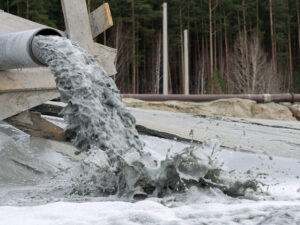
- Physical Form: Sludge, cake, or semi-dry powder depending on filtration and treatment method
- Color: Green, dark green, grey, or black depending on nickel compound concentration
- Particle Size: Fine particulate material following filtration or drying processes
- Moisture Content: Typically 10–35% depending on dewatering method
- Bulk Density: Approximately 0.8–1.4 g/cm³ (varies with moisture and compaction)
- Packaging Options: Bulk bags (1 MT), sealed drums, or bulk container loading
- Shelf Life: Stable for extended storage when kept in sealed, dry conditions
3. Core Industrial Applications
Nickel Plating Residue is widely utilized as a secondary raw material in metal recovery and metallurgical industries where nickel extraction is economically and strategically important.
- Metal Recovery & Refining: Processed through hydrometallurgical or pyrometallurgical methods to recover nickel for reuse in industrial supply chains.
- Stainless Steel & Alloy Production: Recovered nickel contributes to the production of stainless steel and high-performance alloys requiring corrosion resistance and structural strength.
- Battery Materials & Advanced Materials: Extracted nickel can be refined into precursors used in battery cathode materials and specialty chemical manufacturing.
- Industrial Waste Recycling Facilities: Used as feedstock for specialized recyclers focusing on metal-bearing industrial residues.
Compared with disposal or low-value waste handling, recycling nickel plating residue offers substantial economic advantages by recovering valuable nickel while reducing environmental liabilities and raw material sourcing costs.
4. Competitive Advantages
- Consistent Metal Content: Material sourced from controlled electroplating operations ensuring predictable nickel concentration
- Reliable Supply Streams: Continuous generation from industrial plating facilities supports long-term procurement contracts
- Global Logistics Capability: Available for bulk export with flexible packaging and containerized transport
- Cost-Effective Nickel Source: Provides lower-cost nickel feedstock compared to primary mined nickel materials
- Environmental Sustainability: Supports circular metal recovery, reducing industrial waste and minimizing reliance on virgin mining
- Technical Documentation: Material analysis reports and composition data available for recovery process optimization
5. Commercial & Supply Information
- Minimum Order Quantity (MOQ): BULK 20 MT
- Loading Capacity: 20–24 MT per 20-ft container depending on moisture content and packaging format

Reviews
There are no reviews yet.