
Description
1. Product Overview
Lead Paste Residue is a secondary industrial material generated during the recycling and processing of lead-acid batteries. It primarily contains lead compounds such as lead sulfate, lead oxide, and metallic lead particles, making it a valuable feedstock for lead recovery and metallurgical processing. This material is widely used by smelters and battery recyclers seeking cost-effective raw material inputs for refined lead production. With rising global demand for recycled metals and circular supply chains, Lead Paste Residue represents a strategically important resource for sustainable lead recovery and industrial material efficiency.
2. Key Specifications & Technical Characteristics
- Chemical Composition: Predominantly Lead Sulfate (PbSO₄), Lead Oxide (PbO/PbO₂), and metallic Lead (Pb)
- Lead Content: Typically 55–75% total lead (varies by batch and source)
- Purity/Grade: Industrial-grade recyclable lead-bearing material
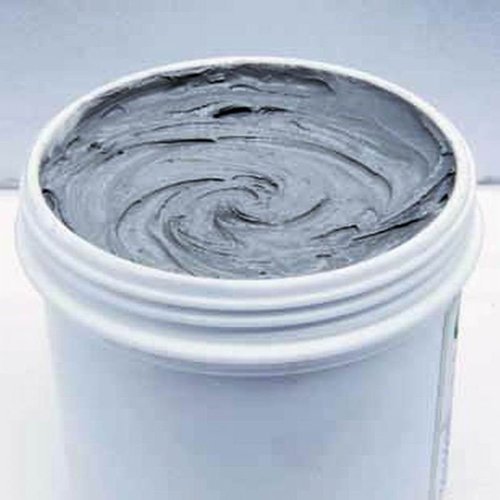
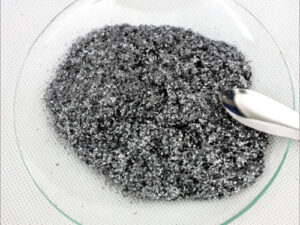
- Physical Form: Moist or semi-dry paste / granular residue
- Color: Dark gray to black
- Particle Size: Fine particulate paste or powder-like residue
- Moisture Content: Typically 5–20% depending on processing conditions
- Bulk Density: Approx. 1.8–2.6 g/cm³ (varies by composition)
- Packaging Options: Bulk jumbo bags (1–1.5 MT), sealed industrial containers, or loose bulk loading
- Shelf Life: Stable under dry, covered storage conditions; no defined expiry when properly stored
3. Core Industrial Applications
Lead Smelting & Refining
Lead Paste Residue serves as a high-value secondary feedstock for smelters recovering metallic lead through thermal or hydrometallurgical processes. Its high lead content makes it economically attractive compared to primary ore inputs.
Battery Recycling Industry
Battery recyclers utilize this residue as a core intermediate material in closed-loop recycling systems, enabling efficient recovery of lead compounds used in new battery production.
Metallurgical Processing
Specialized metallurgical facilities process the residue to extract lead and associated metals, improving resource efficiency and reducing dependence on mined lead concentrates.
Industrial Circular Economy Programs
Companies involved in sustainable materials management integrate Lead Paste Residue into recycling chains to recover valuable metals while minimizing hazardous waste streams.
Operational Advantages
- Higher lead concentration than many secondary scrap streams
- Lower raw material costs compared to mined lead ores
- Compatible with existing lead smelting technologies
- Supports sustainable metal recovery and regulatory compliance
4. Competitive Advantages
- Consistent Industrial Quality: Carefully sourced residue streams ensure reliable lead concentration levels.
- Stable Supply Availability: Continuous sourcing from battery recycling operations enables dependable volume supply.
- Global Logistics Capability: Export-ready packaging and containerized shipping facilitate international trade.
- Cost-Effective Feedstock: Provides smelters with lower-cost lead input compared to primary ore procurement.
- Sustainability Benefits: Supports circular metal recovery and reduces environmental impact from mining activities.
- Technical Documentation: Composition data and batch specifications available to support industrial processing requirements.
5. Commercial & Supply Information
- Minimum Order Quantity (MOQ): BULK 20 MT
- Loading Capacity: 20–25 MT per 20’ container depending on packaging configuration and moisture content.
Reviews
There are no reviews yet.