

Description
1. Product Overview
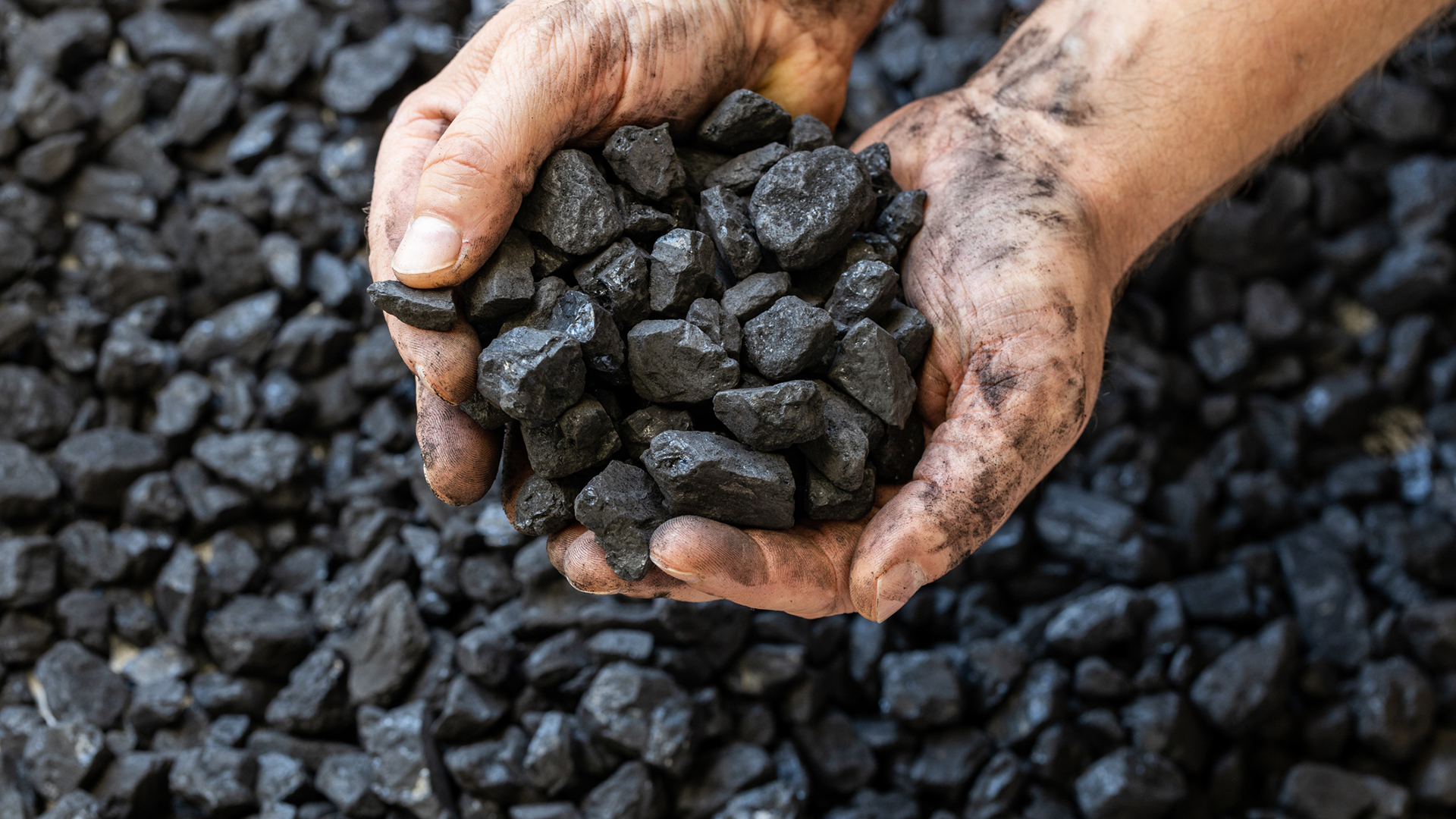
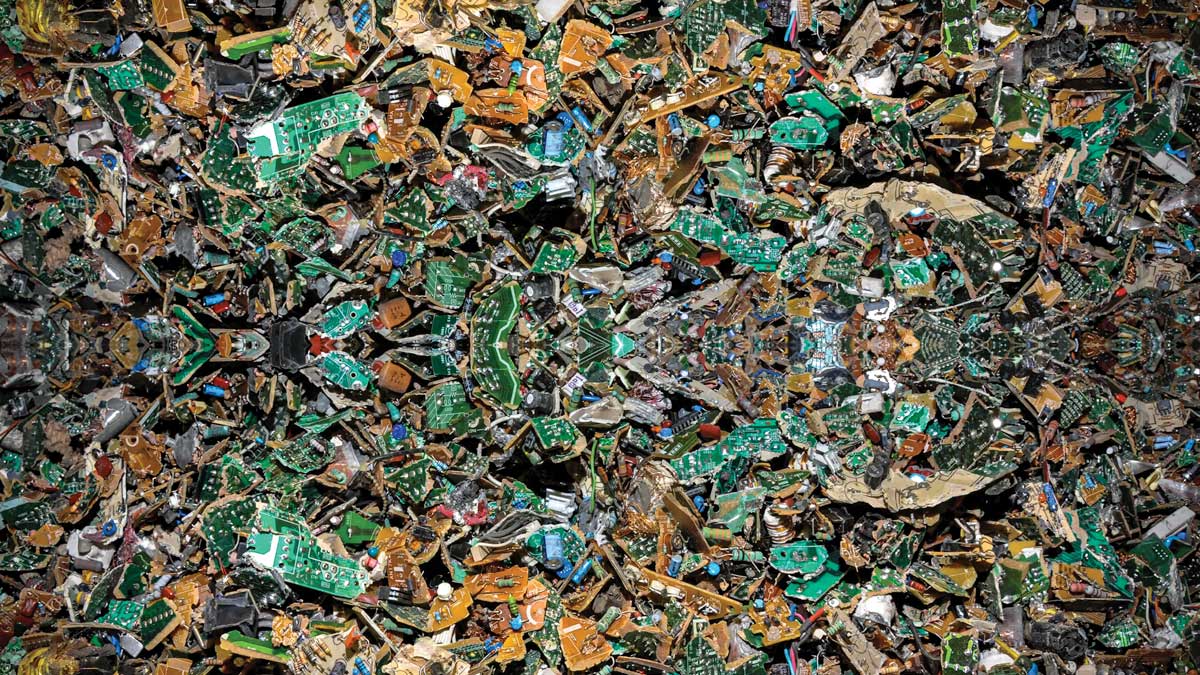
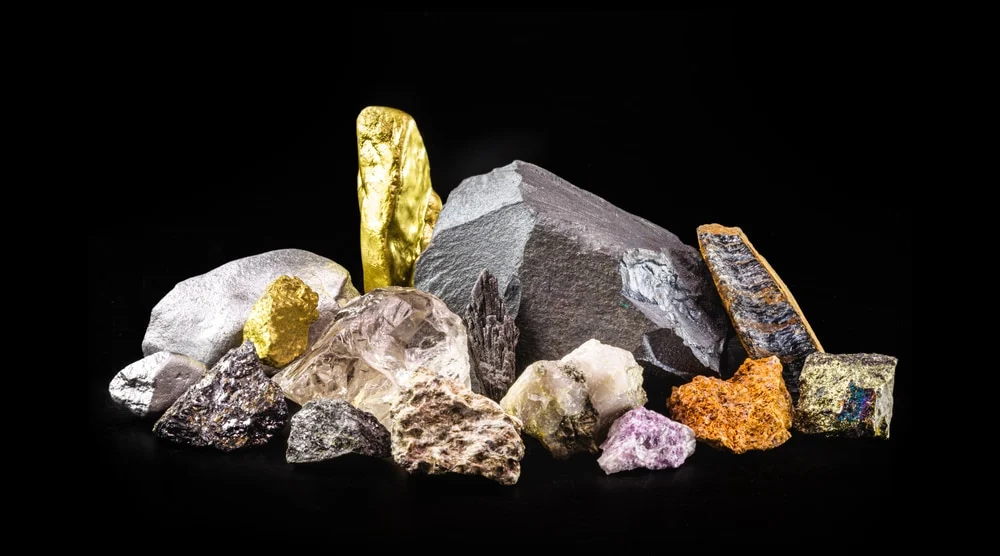
Rare Earth Processing Residues are secondary mineral materials generated during the extraction and refinement of rare earth elements (REEs). These residues typically contain recoverable concentrations of valuable rare earth oxides along with associated industrial minerals, making them an important feedstock for resource recovery and metallurgical processing. They are widely utilized by specialized processors seeking cost-efficient raw material sources for rare earth recovery, catalyst manufacturing, and advanced material production. In an era of increasing demand for strategic minerals used in electronics, renewable energy, and advanced manufacturing, rare earth processing residues represent a valuable resource stream supporting circular supply chains and critical mineral sustainability.
2. Key Specifications & Technical Characteristics
- Chemical Composition: Residual rare earth oxides (e.g., La₂O₃, CeO₂, Nd₂O₃, Pr₆O₁₁) along with silica, alumina, iron oxides, and trace industrial minerals
- Purity Level / Grade: Variable depending on source; recoverable rare earth oxide (REO) content typically ranges from 1–15%
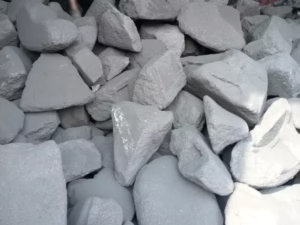
- Physical Form: Fine mineral powder or granular residue
- Color: Light grey, beige, or brown depending on processing origin and mineral composition
- Particle Size: Typically <200 microns after processing
- Bulk Density: Approximately 1.2–2.0 g/cm³ depending on mineral composition
- Moisture Content: Typically <5% after standard processing and storage
- Packaging Options: Bulk loose cargo, 1 MT jumbo bags, or containerized bulk loading
- Shelf Life: Indefinite when stored in dry, controlled conditions
3. Core Industrial Applications
Rare Earth Processing Residues serve as a valuable secondary resource for industries involved in advanced material recovery and strategic mineral supply chains.
- Rare Earth Recovery & Refining: Used by metallurgical processors to extract residual rare earth oxides through hydrometallurgical or pyrometallurgical methods.
- Catalyst Manufacturing: Residual cerium, lanthanum, and other rare earth components can be recovered for use in catalyst formulations for refining and chemical industries.
- Advanced Materials & Electronics: Serves as a secondary feedstock for producing rare earth compounds used in magnets, batteries, and electronic components.
- Industrial Mineral Processing: Silica and alumina components can be utilized in construction materials and specialty ceramics after appropriate treatment.
Compared with primary rare earth ore, processing residues provide a lower-cost feedstock with recoverable value, enabling processors to improve material efficiency while reducing dependence on newly mined resources.
4. Competitive Advantages
- Resource Recovery Value: Contains recoverable rare earth elements that support cost-efficient secondary extraction processes
- Consistent Industrial Supply: Sourced from established rare earth processing operations ensuring stable material availability
- Flexible Logistics: Available in bulk and containerized formats suitable for international industrial shipment
- Cost Advantage: More economical feedstock compared to primary rare earth concentrates for recovery operations
- Sustainability Impact: Supports circular economy principles by recovering valuable elements from industrial process streams
- Technical Documentation: Material characterization data and composition details available to support metallurgical evaluation and procurement decisions
5. Commercial & Supply Information
- Minimum Order Quantity (MOQ): BULK 20 MT
- Loading Capacity: 20–25 MT per 20-ft container depending on packaging and moisture level

Reviews
There are no reviews yet.