


Description
1. Product Overview
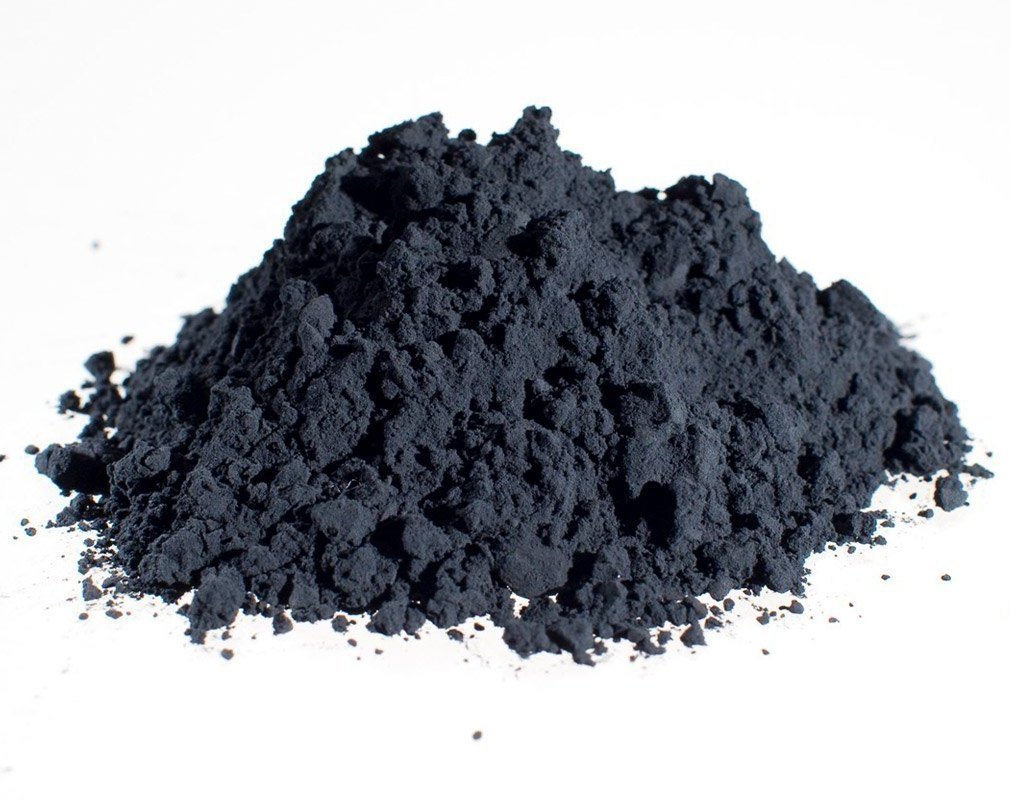
Battery Black Mass is a concentrated intermediate material recovered from the recycling of lithium-ion batteries and other rechargeable battery systems. It contains valuable critical metals including lithium, cobalt, nickel, manganese, and graphite, making it a key feedstock for metal recovery and battery material refining operations. The material serves as a strategic raw input for hydrometallurgical and pyrometallurgical recycling processes used by battery recyclers, refiners, and cathode material producers. As global demand for electric vehicles and energy storage continues to accelerate, battery black mass has become a strategically important resource within the circular battery supply chain, enabling sustainable recovery of high-value battery metals.
2. Key Specifications & Technical Characteristics
- Material Composition: Mixed cathode and anode materials containing lithium, cobalt, nickel, manganese, graphite, copper, and aluminum traces
- Typical Metal Content (varies by battery chemistry):
- Lithium (Li): 2–7%
- Cobalt (Co): 5–25%
- Nickel (Ni): 5–35%
- Manganese (Mn): 3–20%
- Graphite (C): 20–40%
- Purity / Grade: Processed and mechanically separated black mass concentrate suitable for refining and metal recovery
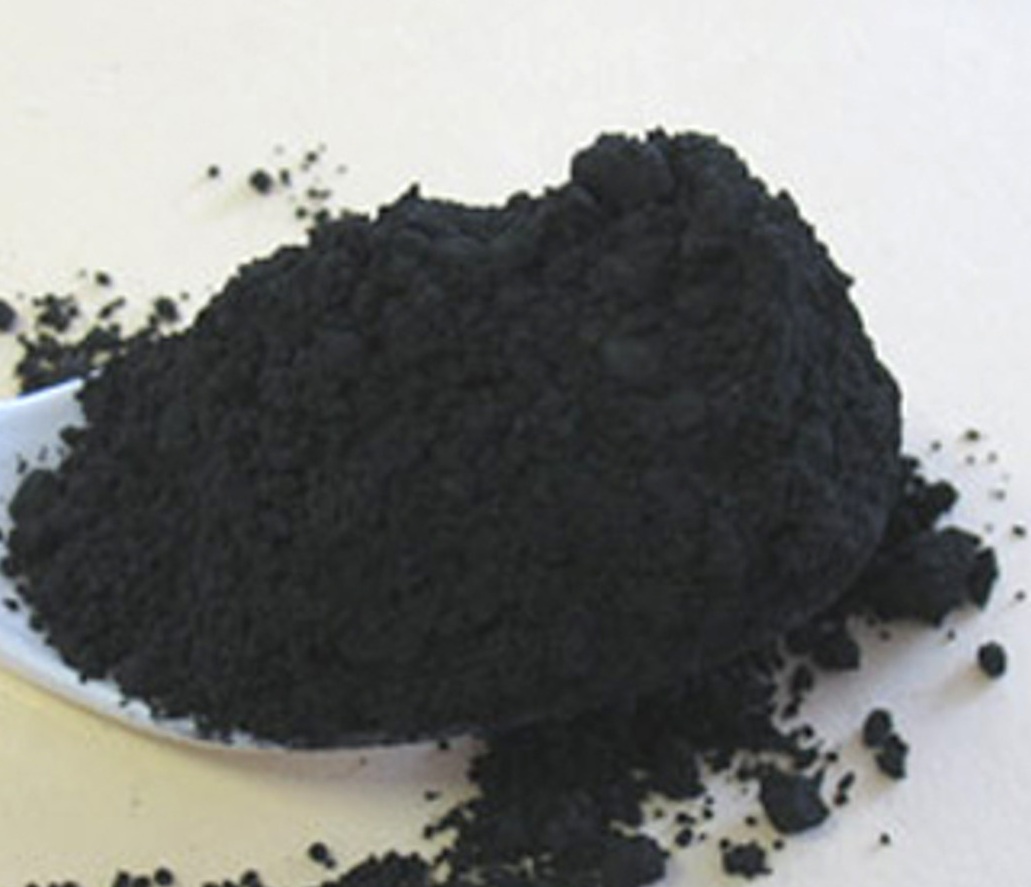
- Physical Form: Fine powder / granular concentrate
- Color: Dark grey to deep black
- Particle Size: Typically <1 mm after shredding and separation processes
- Bulk Density: Approximately 1.2–2.0 g/cm³ depending on composition
- Moisture Content: Typically <5% after drying
- Processing Method: Battery shredding, mechanical separation, and material concentration
- Packaging Options: Sealed bulk bags (1 MT), drums, or bulk container loading
- Shelf Life: Stable under dry storage conditions with no significant degradation
3. Core Industrial Applications
Battery Black Mass serves as a critical raw material for industries involved in battery recycling, metal refining, and battery material manufacturing.
- Battery Recycling & Metal Recovery: Used as feedstock for hydrometallurgical and pyrometallurgical processing to recover high-value metals such as lithium, cobalt, nickel, and manganese.
- Cathode Material Refining: Processed by chemical refiners to extract and purify battery-grade metals used in the production of new cathode active materials.
- Electric Vehicle Battery Supply Chain: Supports circular battery manufacturing by returning critical metals back into EV battery production.
- Specialty Metal Processing: Utilized by advanced metallurgical facilities capable of separating and refining complex multi-metal concentrates.
Compared to primary mined ores, black mass offers significantly higher metal concentration, reducing extraction costs, energy consumption, and environmental impact while improving metal recovery efficiency.
4. Competitive Advantages
- High-Value Metal Concentration: Rich in critical battery metals essential for EV and energy storage industries
- Quality Consistency: Processed through controlled recycling and separation systems for stable composition profiles
- Reliable Supply Streams: Sourced from industrial battery recycling operations ensuring continuous feedstock availability
- Logistics Capability: Available for bulk export with compliant packaging suitable for international transport
- Price Competitiveness: Cost-effective alternative to primary mining concentrates for metal recovery operations
- Sustainability Impact: Supports circular economy principles by recovering critical materials from end-of-life batteries
- Technical Documentation: Material composition data and technical specifications available to support refining processes
5. Commercial & Supply Information
- Minimum Order Quantity (MOQ): BULK 20 MT
- Loading Capacity: 20–25 MT per 20-ft container depending on packaging and moisture content
Reviews
There are no reviews yet.