
Description
1. Product Overview
Nickel-Cobalt Residues are metallurgical by-products and secondary raw materials containing valuable concentrations of nickel and cobalt recovered from industrial processing streams, battery recycling operations, or refining residues. These materials serve as an important feedstock for metal recovery and refining processes, enabling producers to extract high-value metals used in advanced manufacturing and energy technologies. By providing an economically viable source of strategic metals, Nickel-Cobalt Residues support circular resource utilization and reduce dependence on primary mining. Their growing demand is driven by the rapid expansion of battery production, specialty alloys, and high-performance chemical catalysts.
2. Key Specifications & Technical Characteristics
- Chemical Composition:
- Nickel (Ni): Typically 5–25%
- Cobalt (Co): Typically 2–15%
- Iron (Fe), Copper (Cu), Aluminum (Al), Manganese (Mn), and trace elements depending on source material
- Purity / Grade:
- Industrial-grade secondary raw material suitable for hydrometallurgical or pyrometallurgical recovery processes
- Physical Characteristics:
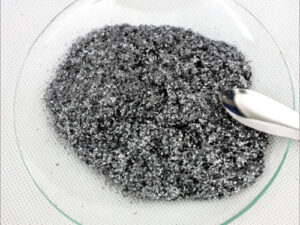
- Form: Powder, granules, sludge, or solid residue depending on processing origin
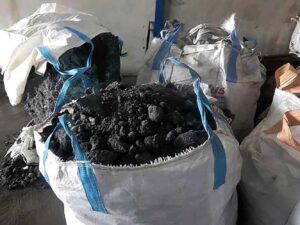
- Color: Dark gray to black
- Particle Size: Variable (typically fine powder to granular form)
- Density: Dependent on composition and moisture content
- Packaging Options:
- Bulk jumbo bags (1 MT)
- Sealed industrial drums
- Bulk container loading
- Shelf Life:
- Stable under dry storage conditions with minimal exposure to moisture or contamination
3. Core Industrial Applications
Primary Industries:
- Metal refining and smelting
- Battery recycling and materials recovery
- Specialty alloy manufacturing
- Chemical and catalyst production
Operational Use Cases:
- Feedstock for hydrometallurgical metal extraction processes
- Secondary raw material for nickel and cobalt recovery in refineries
- Input material for precursor production in battery material supply chains
- Recycling streams for circular metal supply in high-tech industries
Performance & Commercial Advantages:
- Provides cost-effective access to strategic metals compared to primary ores
- Enables high metal recovery yields when processed through established refining technologies
- Reduces environmental impact by supporting recycling and waste valorization
- Offers consistent feedstock supply for industries facing raw material shortages
4. Competitive Advantages
- Quality Consistency: Controlled sourcing and standardized residue handling ensure reliable metal content ranges.
- Supply Reliability: Stable procurement channels and scalable inventory availability support continuous industrial operations.
- Logistics Capability: Global export-ready packaging and containerized bulk shipment options.
- Price Competitiveness: Secondary material sourcing offers a cost-efficient alternative to primary metal concentrates.
- Sustainability Benefits: Promotes circular economy practices by recovering critical metals from industrial waste streams.
- Technical Documentation: Material analysis reports and composition data available upon request to support industrial processing requirements.
5. Commercial & Supply Information
- Minimum Order Quantity (MOQ): BULK 20 MT
- Loading Capacity: 20–25 MT per 20’ container depending on packaging configuration and moisture content.
Reviews
There are no reviews yet.