
Description
1. Product Overview
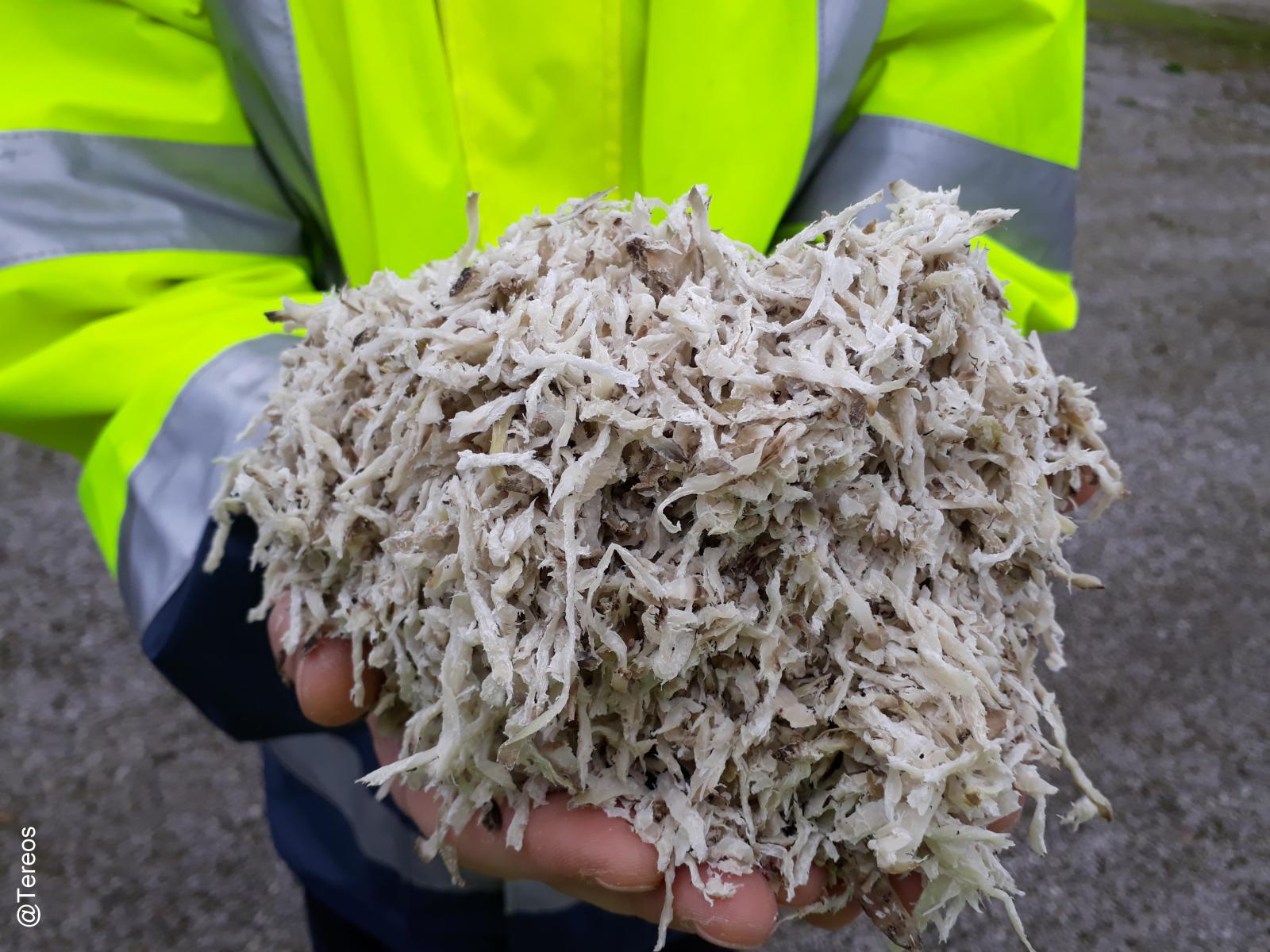
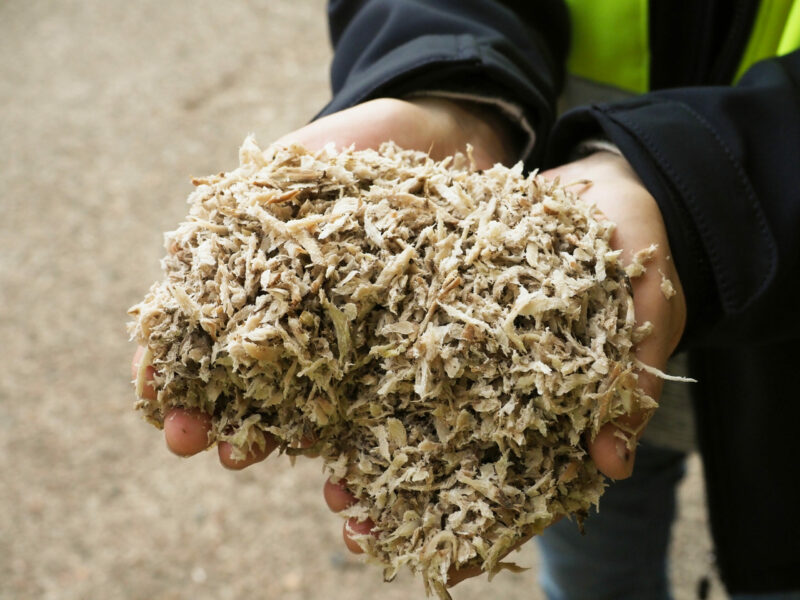
Beet Pulp Residue is a fibrous byproduct generated during the industrial processing of sugar beets for sugar extraction. After the sucrose is removed, the remaining pulp retains valuable structural carbohydrates, making it a highly useful secondary raw material for multiple industrial applications. It is widely utilized in animal nutrition, bioenergy production, and agricultural soil conditioning due to its high fiber content and natural digestibility. With increasing global demand for sustainable feed ingredients and biomass resources, Beet Pulp Residue represents a strategically important, cost-effective material within circular bioeconomy supply chains.
2. Key Specifications & Technical Characteristics
- Primary Composition: Structural carbohydrates (cellulose, hemicellulose, pectin), residual sugars, trace proteins, and minerals
- Typical Dry Matter Content: 88–92% (when dried)
- Fiber Content: Typically 40–50% crude fiber equivalent
- Protein Content: Approx. 7–10% depending on processing origin
- Ash Content: 4–7%
Physical Characteristics:
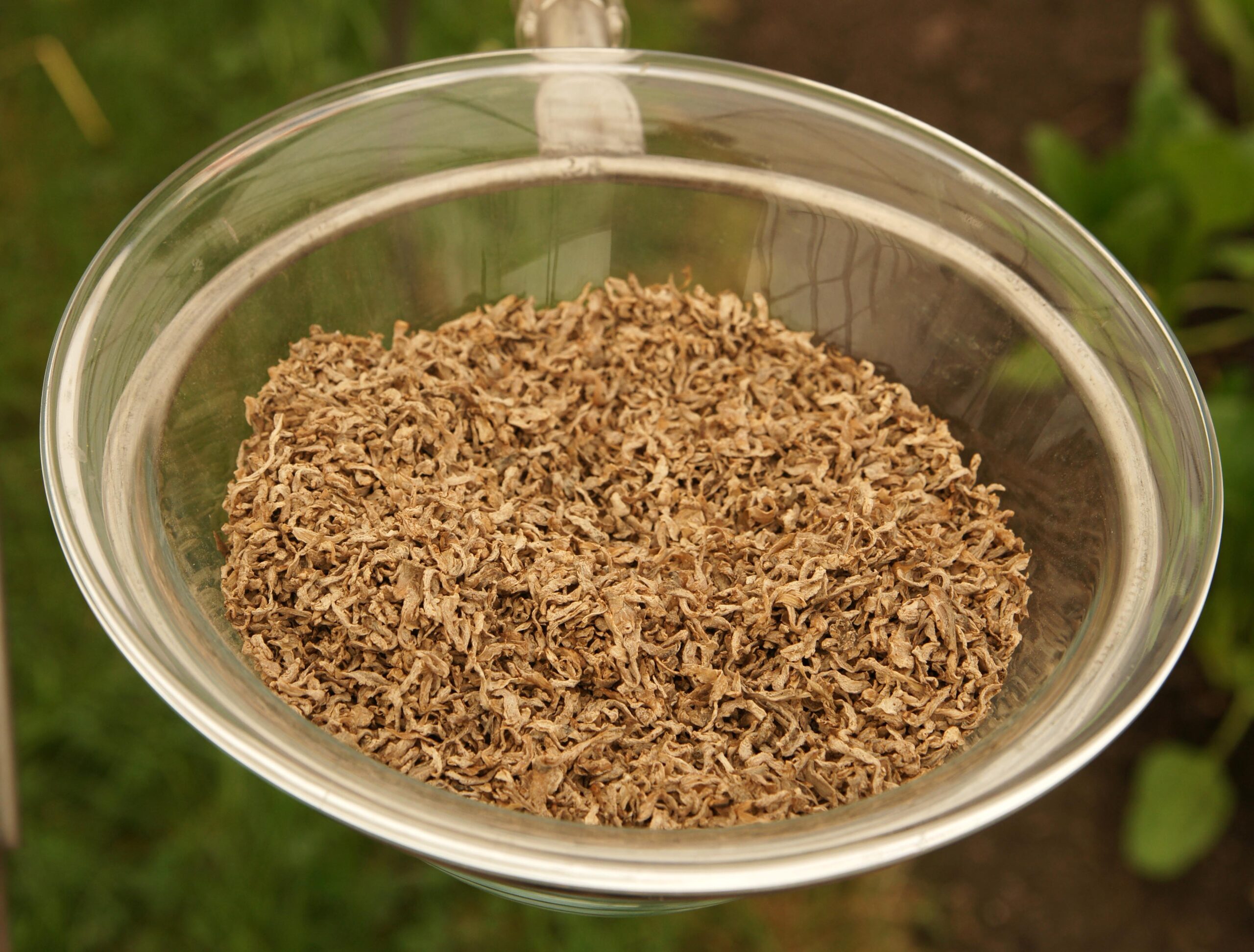
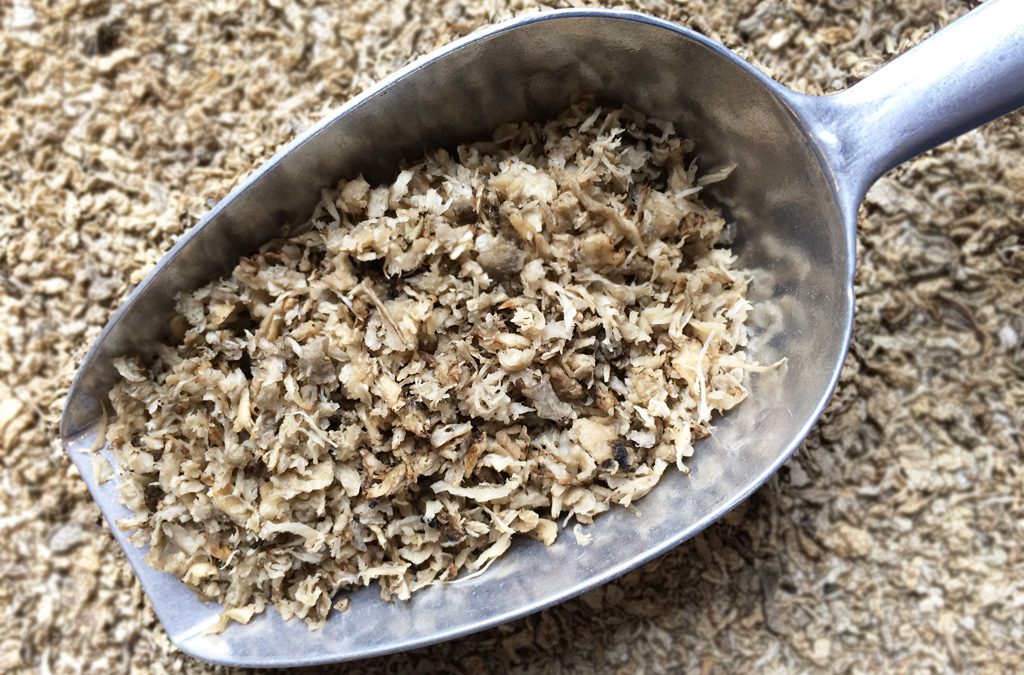
- Form: Dried flakes, pellets, or coarse fibrous residue
- Color: Light brown to dark tan
- Particle Size: 3–12 mm (pelletized) or variable fibrous particles
- Bulk Density: Approx. 350–550 kg/m³ depending on form
Packaging Options:
- Bulk loose cargo
- 1 MT jumbo bags (FIBC)
- Compressed pellet bulk bags
Shelf Life:
- 12–24 months when stored in dry, ventilated conditions
3. Core Industrial Applications
Animal Feed Industry
Beet Pulp Residue is extensively used as a high-fiber feed ingredient for cattle, horses, sheep, and other livestock. Its digestible fiber profile supports rumen health and provides slow-release energy, making it superior to many grain-based feed additives for ruminants.
Bioenergy & Biomass Processing
Due to its organic fiber content and residual carbohydrates, the material is suitable for anaerobic digestion, biomass fuel production, and bio-based chemical processing.
Agricultural Soil Conditioning
The fibrous organic matter improves soil structure, moisture retention, and microbial activity when used as a soil amendment or composting input.
Industrial Fermentation
Certain biochemical industries utilize beet pulp as a fermentation substrate for enzyme production, organic acids, and microbial cultivation.
Compared to many agricultural residues, Beet Pulp Residue offers superior digestibility, moisture absorption capacity, and consistent organic composition, making it operationally efficient across multiple industrial processes.
4. Competitive Advantages
- Consistent Industrial Quality: Derived from controlled sugar beet processing operations
- Reliable Supply Chain: Continuous production linked to global sugar refining industries
- Efficient Bulk Handling: Pelletized or fibrous formats optimized for large-scale transport and storage
- Cost-Effective Raw Material: Lower input cost compared to many alternative feed fibers and biomass substrates
- Sustainability Value: Supports circular economy by converting agricultural processing byproducts into productive industrial resources
- Flexible Logistics: Compatible with bulk cargo, jumbo bag, and containerized transport
- Technical Documentation: Specifications and composition data available for industrial buyers upon request
5. Commercial & Supply Information
- Minimum Order Quantity (MOQ): BULK 20 MT
- Loading Capacity: 20–25 MT per 20 ft container (depending on moisture content and packaging format)
Reviews
There are no reviews yet.