
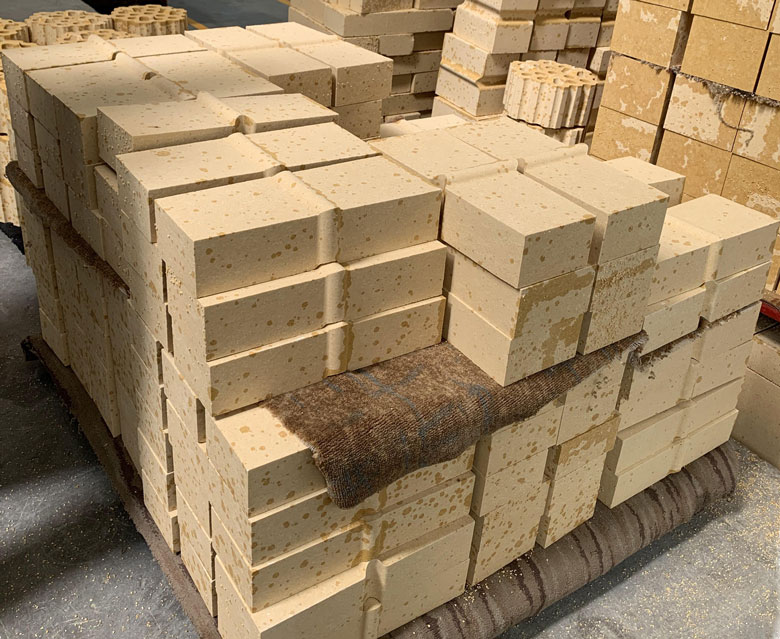
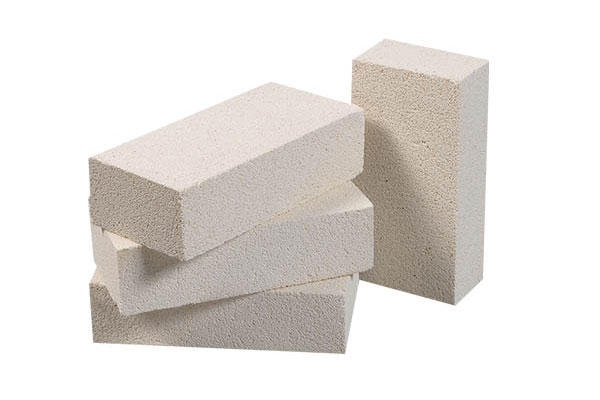
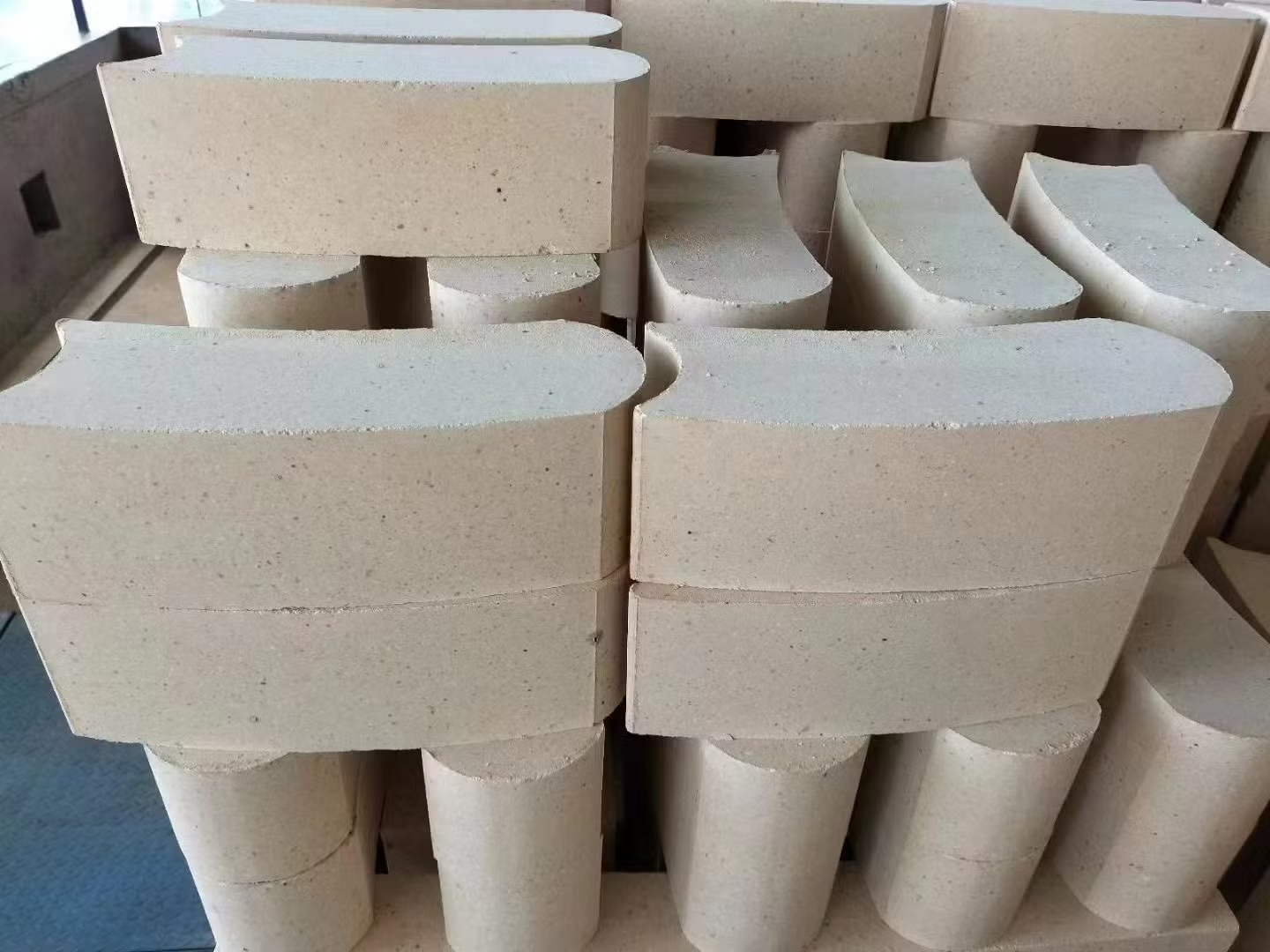
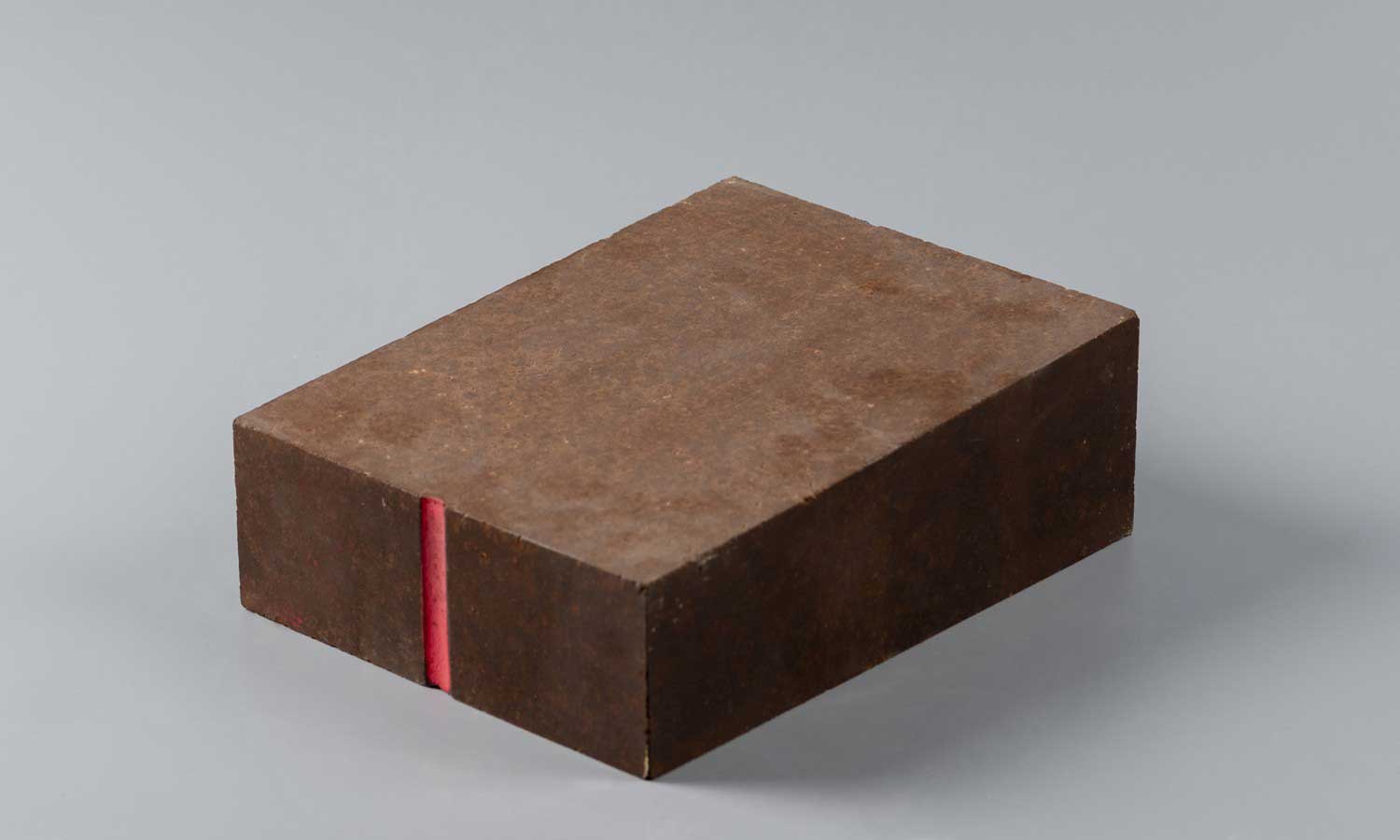
Description
1. Product Overview
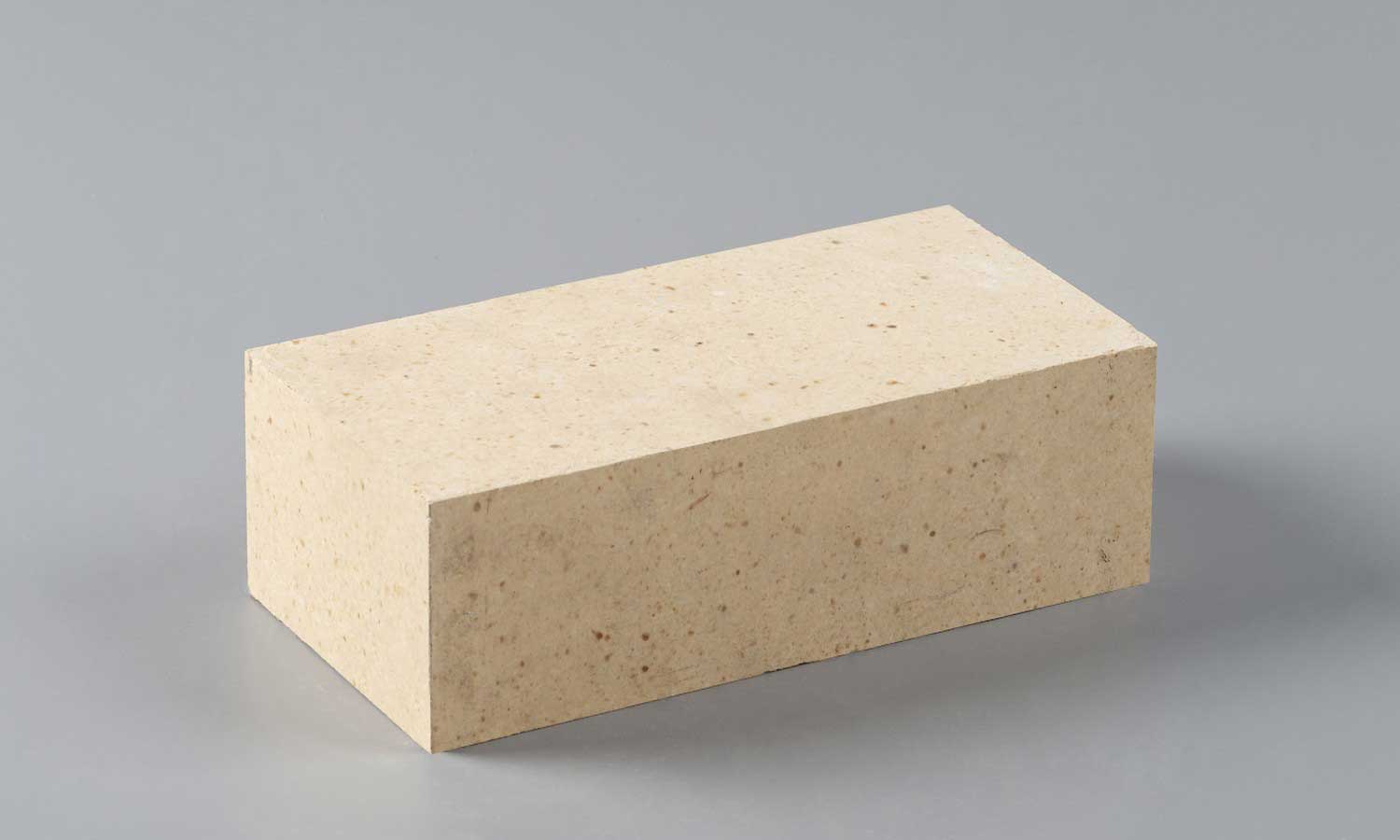
Refractory Bricks Waste consists of recovered and processed fragments of used refractory bricks sourced from high-temperature industrial furnaces and kilns. These materials retain valuable refractory minerals such as alumina, silica, magnesia, and other heat-resistant compounds, making them suitable for reuse in various industrial applications. The product serves as a cost-effective raw material for refractory manufacturing, construction aggregates, and metallurgical processes. As industries increasingly prioritize circular resource utilization and cost optimization, recycled refractory waste provides a strategically valuable solution that combines material recovery with reduced raw material dependency.
2. Key Specifications & Technical Characteristics
- Material Composition: Typically composed of alumina (Al₂O₃), silica (SiO₂), magnesia (MgO), calcium oxide (CaO), and trace refractory minerals depending on origin
- Purity / Grade: Industrial-grade recycled refractory material (composition varies by source batch)
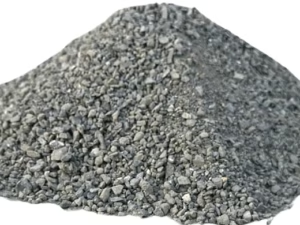
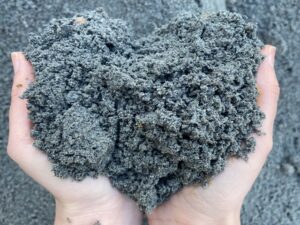
- Physical Form: Crushed refractory brick fragments or granular aggregate
- Color: Generally off-white, beige, brown, or gray depending on refractory type
- Particle Size: Customizable ranges (commonly 0–10 mm, 10–30 mm, or larger fragments)
- Bulk Density: Typically 1.8–2.8 g/cm³ depending on material composition
- Moisture Content: Low moisture, typically <5%
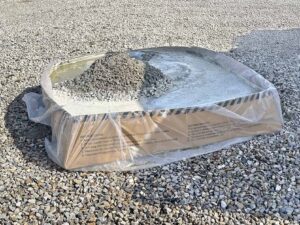
- Packaging Options: Bulk loose loading, jumbo bags (1 MT), or customized industrial packaging
- Shelf Life: Indefinite under dry storage conditions
3. Core Industrial Applications
Refractory Manufacturing
Used as secondary raw material in the production of new refractory bricks, castables, and monolithic refractory materials, reducing reliance on virgin minerals.
Metallurgical Industry
Applied as furnace lining aggregates, slag conditioners, or flux components in steel, foundry, and non-ferrous metal operations where high thermal resistance is required.
Cement and Construction Materials
Utilized as durable aggregate in specialized cement blends, road base materials, and heat-resistant construction applications.
Industrial Recycling and Materials Processing
Serves as feedstock for material recovery operations where refractory minerals are reclaimed and reused in industrial processes.
Operational Advantages
Compared to virgin refractory minerals, recycled refractory brick waste provides significant cost savings, supports sustainable production practices, and delivers comparable thermal and mechanical performance in suitable applications.
4. Competitive Advantages
- Quality Consistency: Carefully sourced and processed material with controlled particle sizing
- Supply Reliability: Stable supply from ongoing industrial refractory replacement cycles
- Logistics Capability: Efficient bulk handling and global export-ready packaging options
- Price Competitiveness: Lower cost alternative to newly mined refractory raw materials
- Sustainability Benefits: Supports circular economy practices by diverting industrial refractory waste from landfills
- Technical Documentation: Material specifications and batch information available for industrial buyers
5. Commercial & Supply Information
- Minimum Order Quantity (MOQ): BULK 20 MT
- Loading Capacity: Approximately 20–26 MT per 20-foot container depending on packaging format and particle size.
Reviews
There are no reviews yet.