
Description
1. Product Overview
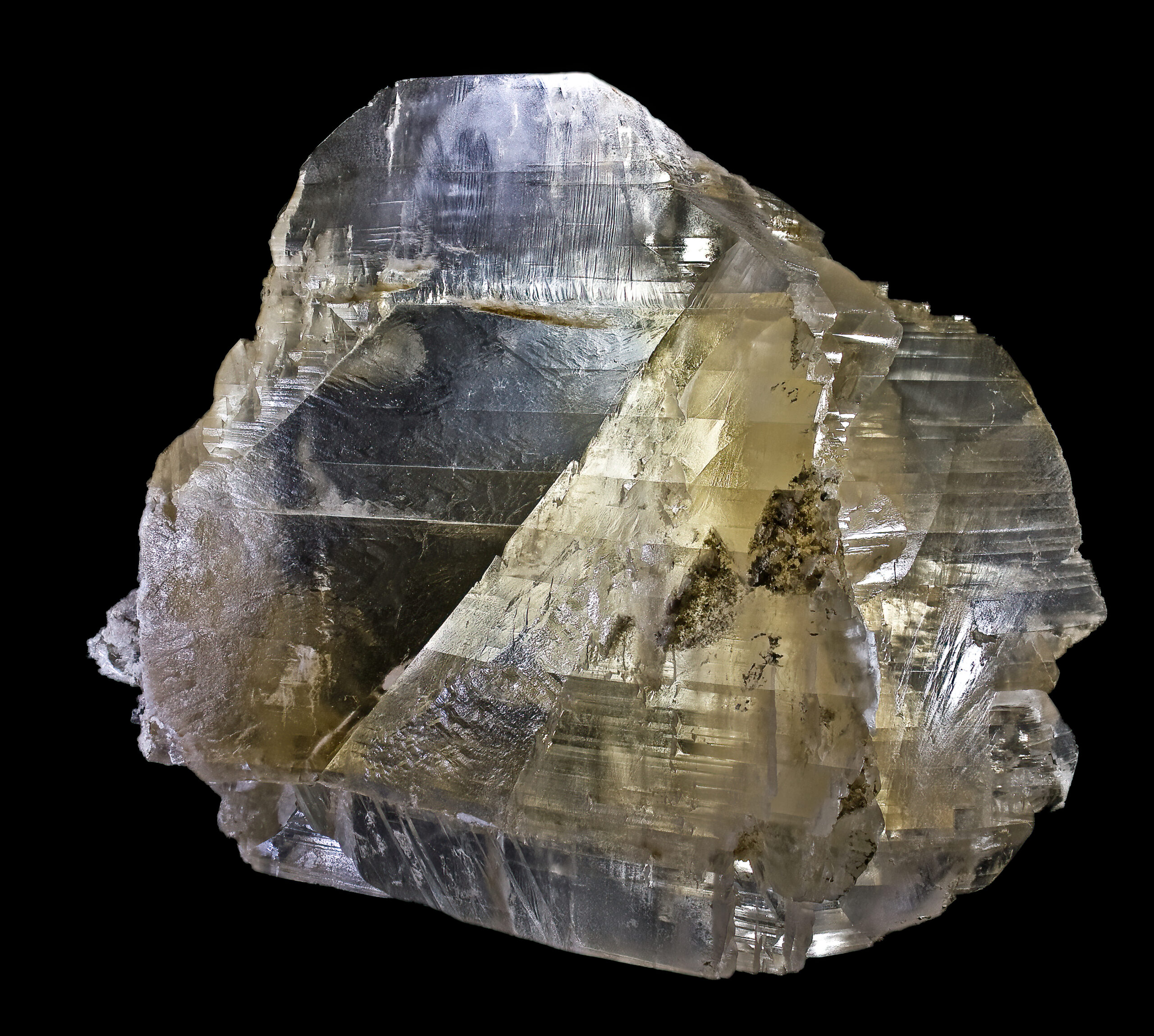
Gypsum (FGD Gypsum) is a high-quality synthetic gypsum produced through the flue gas desulfurization (FGD) process used in power generation and industrial emissions control systems. Chemically similar to natural gypsum, it is widely utilized in construction materials, cement manufacturing, and agricultural soil conditioning. Its consistent purity and controlled particle characteristics make it a reliable raw material for large-scale industrial production. As industries increasingly prioritize sustainable sourcing and circular resource use, FGD gypsum represents a strategically important alternative to mined gypsum, offering both environmental and economic advantages.
2. Key Specifications & Technical Characteristics
- Chemical Composition: Primarily Calcium Sulfate Dihydrate (CaSO₄·2H₂O)
- Purity Level / Grade: Typically 90–98% CaSO₄·2H₂O (industrial grade)
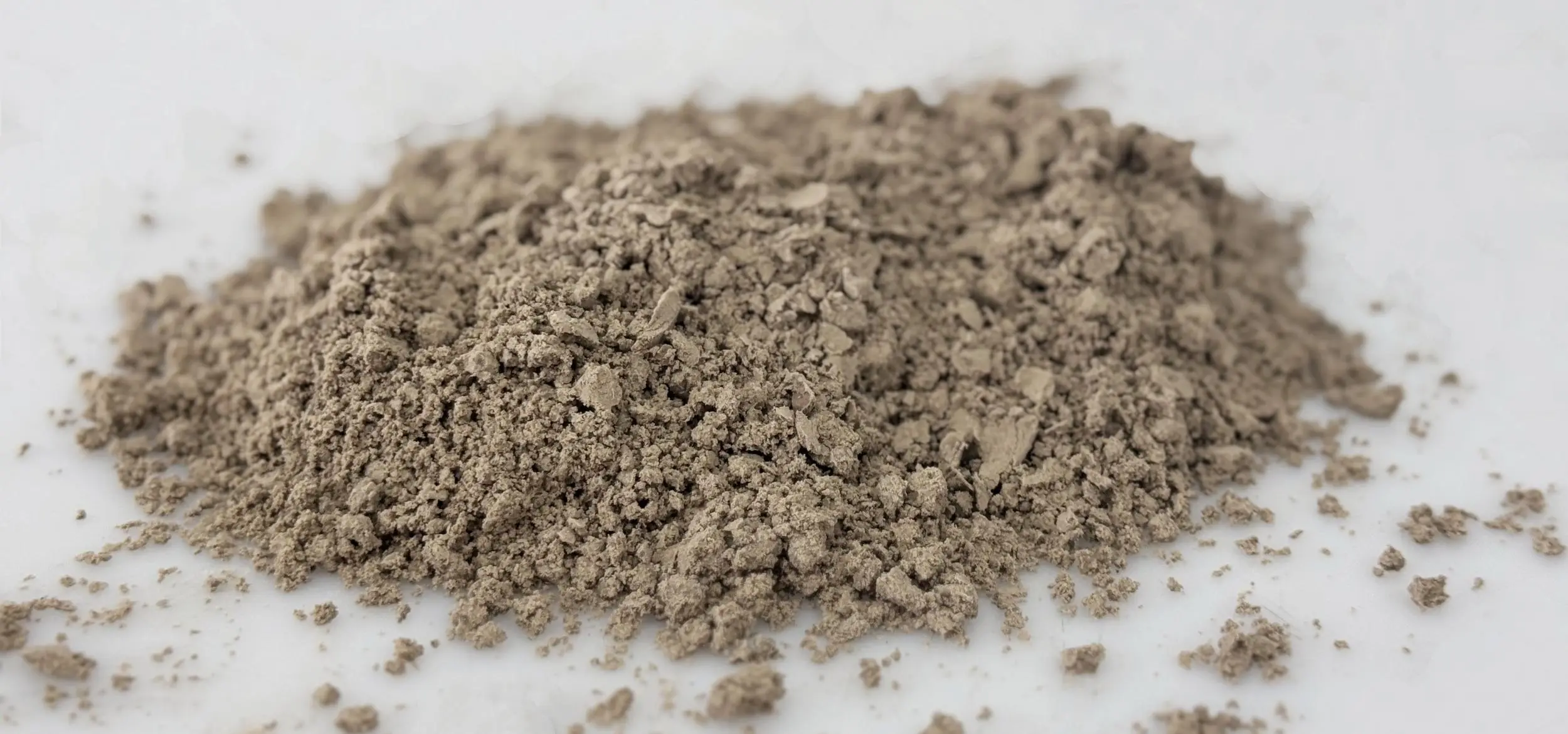
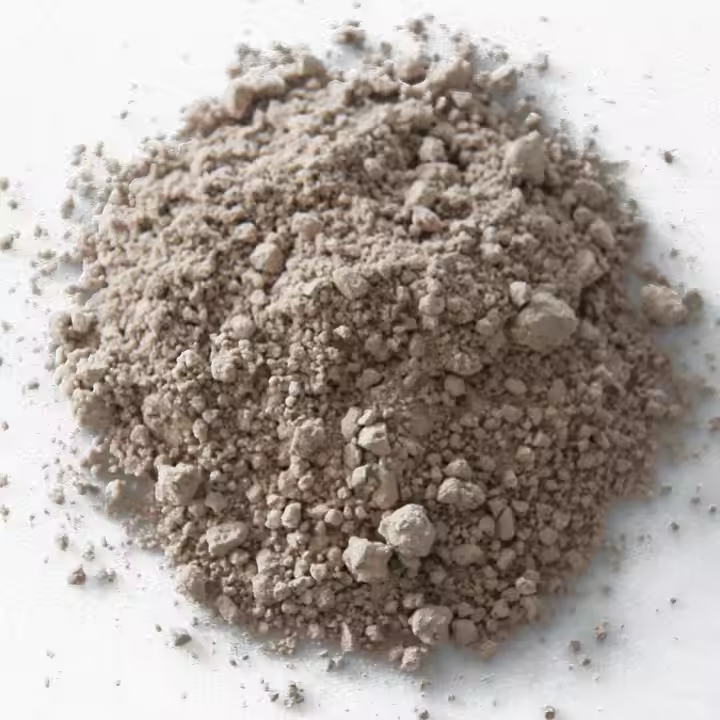
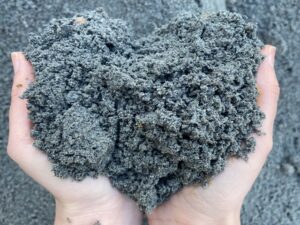
- Physical Form: Fine powder or moist granular material
- Color: White to off-white
- Particle Size: Generally 10–200 microns depending on processing
- Moisture Content: Typically 8–12% (as produced)
- Bulk Density: Approximately 0.8–1.1 g/cm³ (varies with moisture content)
- Packaging Options:
- Bulk loose loading
- 1 MT jumbo bags (FIBC)
- Customized bulk packaging upon request
- Shelf Life: Stable under dry storage conditions; long-term storage recommended in moisture-controlled environments
3. Core Industrial Applications
Construction Materials Industry
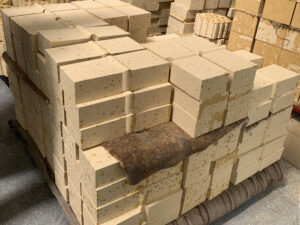
FGD gypsum is a critical raw material in the production of gypsum boards, plaster, and drywall systems. Its controlled chemical composition ensures consistent setting behavior and product performance in building materials manufacturing.
Cement Manufacturing
Used as a set retarder in Portland cement production, FGD gypsum regulates cement hydration and improves final product consistency. Its uniform particle structure enables efficient blending in grinding processes.
Agriculture & Soil Conditioning
In agricultural applications, FGD gypsum improves soil structure, enhances water infiltration, and supplies calcium and sulfur nutrients essential for crop productivity. It is particularly effective for reclaiming sodic and compacted soils.
Industrial Fillers & Additives
FGD gypsum is also used in industrial fillers, plaster products, and specialty building compounds where consistent mineral composition and particle uniformity are essential.
Compared with naturally mined gypsum, FGD gypsum often offers more consistent purity and particle characteristics, enabling improved process efficiency and predictable performance in large-scale manufacturing operations.
4. Competitive Advantages
- Quality Consistency: Controlled industrial production ensures uniform chemical composition and predictable performance
- Supply Reliability: Continuous generation from large-scale power plant desulfurization systems supports stable long-term supply contracts
- Logistics Capability: Available in bulk volumes suitable for large industrial consumption and global export
- Price Competitiveness: Cost-efficient alternative to mined gypsum with stable pricing structures
- Sustainability Benefits: Produced through emissions control processes, supporting circular resource utilization and reducing landfill waste
- Technical Documentation: Material specifications and quality data available to support procurement and industrial compliance requirements
5. Commercial & Supply Information
- Minimum Order Quantity (MOQ): BULK 20 MT
- Loading Capacity: Approximately 25–27 MT per 20 ft container (depending on moisture content and packaging)
Reviews
There are no reviews yet.