
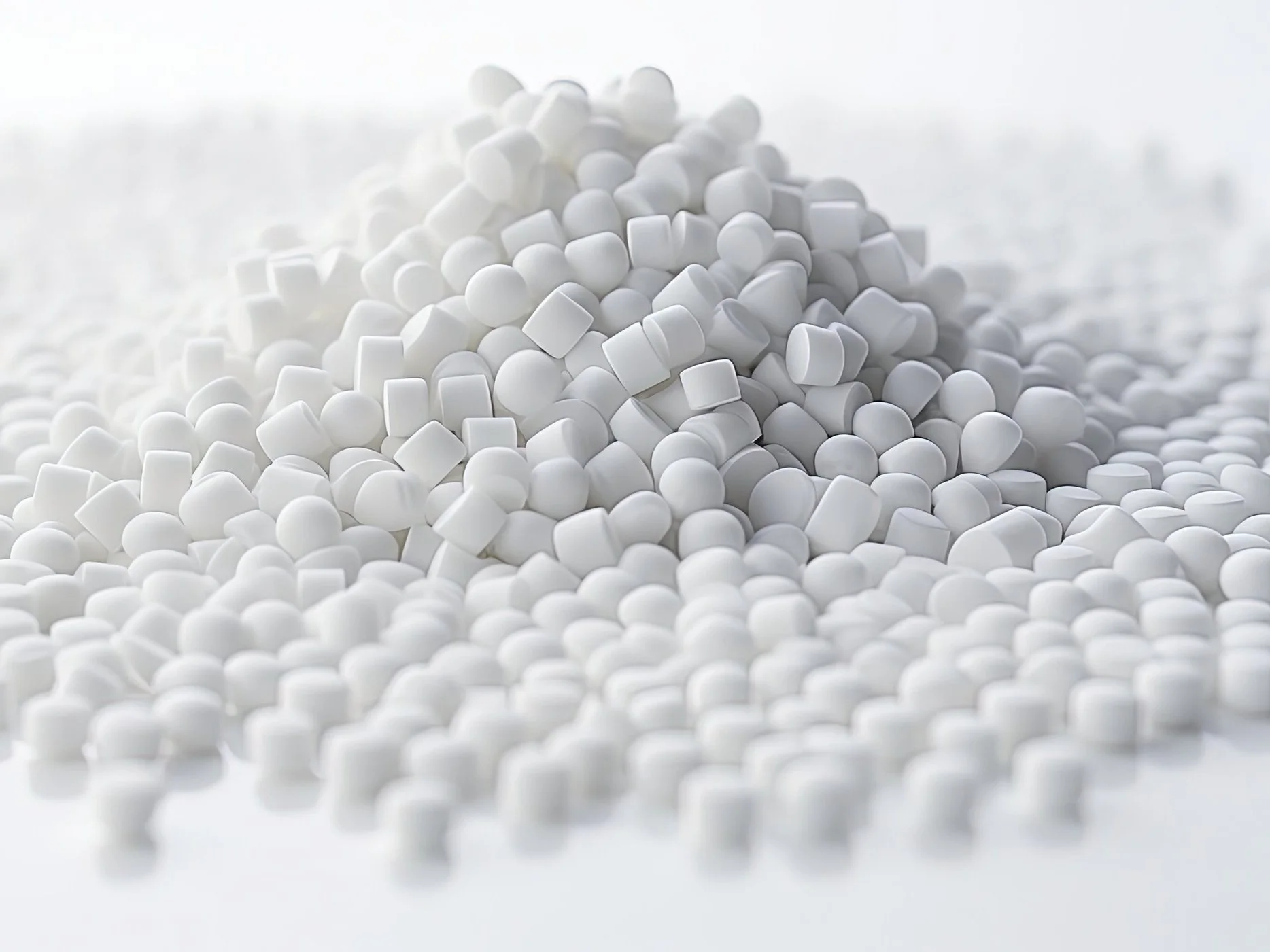
Description
1. Product Overview
Titanium Dioxide Waste Streams are secondary industrial materials generated during the production, processing, or finishing of titanium dioxide (TiO₂) pigments and related chemical operations. These streams typically contain recoverable titanium compounds along with associated mineral residues, making them valuable feedstock for recycling, metal recovery, and secondary industrial applications. For manufacturers and material recovery specialists, these materials present a cost-efficient alternative to primary raw materials while supporting circular resource utilization. Strategically, Titanium Dioxide Waste Streams are increasingly important in global supply chains as industries seek to optimize material recovery, reduce production waste, and improve sustainability metrics.
2. Key Specifications & Technical Characteristics
- Chemical Composition: Titanium dioxide (TiO₂) residues with associated oxides such as iron oxide (Fe₂O₃), silica (SiO₂), alumina (Al₂O₃), and trace mineral compounds depending on the originating process
- Purity / Grade: Variable-grade industrial residues with recoverable titanium content (typically dependent on production source and process stage)
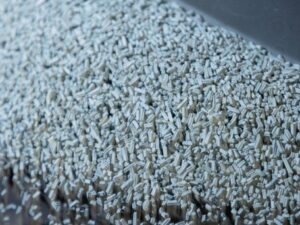
- Physical Form: Powder, fines, filter cake, slurry, or mixed particulate residue
- Color: White, off-white, grey, or light mineral tones depending on impurity levels
- Particle Size: Fine particulate to granular residue (process dependent)
- Density: Variable bulk density based on moisture content and particle distribution
- Packaging Options: Bulk bags (1 MT), sealed industrial sacks, or bulk container loading
- Shelf Life: Stable under dry storage conditions; no significant degradation of mineral content
3. Core Industrial Applications
Primary Industries:
- Chemical manufacturing and mineral processing
- Pigment and coatings manufacturing
- Metallurgical recovery and metal refining
- Cement and construction materials
- Industrial recycling and resource recovery
Operational Use Cases:
- Recovery of titanium compounds for reuse in chemical or pigment production
- Secondary feedstock for mineral processing and metallurgy operations
- Additive material in cement, clinker production, and construction composites
- Raw material input for specialized industrial chemical processes
Performance & Economic Benefits:
- Provides a cost-effective alternative to virgin titanium-bearing minerals
- Enables efficient recovery of valuable metal oxides from industrial residues
- Reduces waste disposal costs for manufacturers while creating value streams
- Supports industrial efficiency through material reuse and resource optimization
4. Competitive Advantages
- Quality Consistency: Sourced from controlled industrial processes ensuring predictable material composition
- Supply Reliability: Stable availability from continuous titanium dioxide production streams
- Logistics Capability: Efficient global bulk shipping and containerized export handling
- Price Competitiveness: Significantly lower cost compared to primary titanium-bearing raw materials
- Sustainability Benefits: Supports circular economy initiatives and industrial waste reduction
- Technical Documentation: Material data, origin traceability, and composition details available upon request
5. Commercial & Supply Information
- Minimum Order Quantity (MOQ): BULK 20 MT
- Loading Capacity: 20–25 MT per container depending on packaging configuration and moisture content
Reviews
There are no reviews yet.