
Description
1. Product Overview
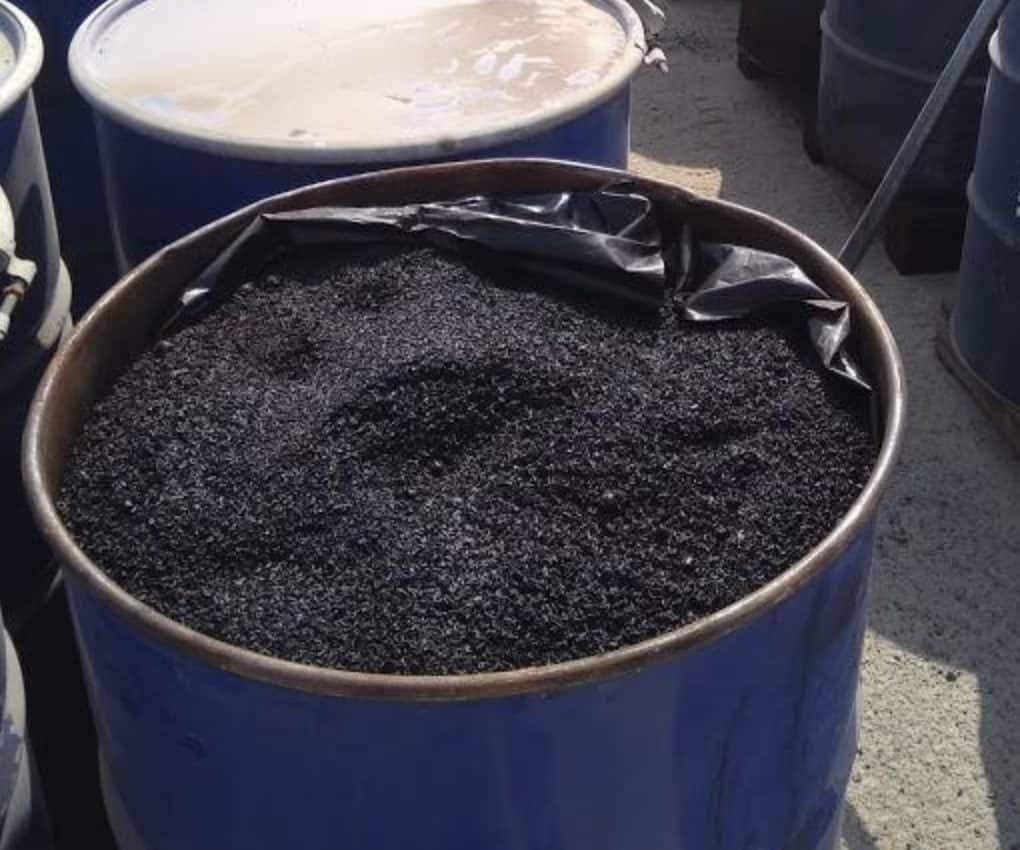
Spent Hydrogenation Catalysts are industrial-grade residual catalysts recovered from hydrogenation processes widely used in petrochemical, pharmaceutical, edible oil, and fine chemical manufacturing. Although no longer active for primary catalytic operations, these materials retain valuable metal content—such as nickel, palladium, platinum, or other transition metals—making them highly sought after for metal recovery, recycling, and secondary industrial processing. The key value proposition lies in their recoverable precious and base metal content, offering a cost-efficient raw material source for refining and recycling operations. In a market increasingly focused on circular economy practices and resource optimization, spent hydrogenation catalysts represent a strategically important feedstock for sustainable metal recovery and industrial reuse.
2. Key Specifications & Technical Characteristics
- Chemical Composition: Residual catalytic metals (e.g., Nickel, Palladium, Platinum, Copper, Cobalt, or Molybdenum) supported on alumina, silica, carbon, or mixed oxide carriers
- Metal Content: Varies depending on original catalyst type and industrial use cycle
- Purity/Grade: Industrial spent catalyst grade suitable for metal recovery and recycling
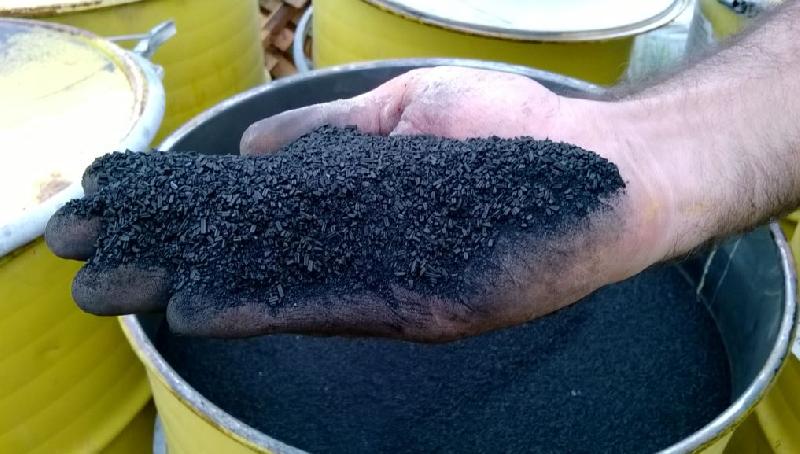
- Physical Form: Granules, pellets, powder, or irregular catalyst particles
- Color: Dark grey to black depending on catalyst composition and processing history
- Particle Size: Typically 0.5 mm – 10 mm (varies by catalyst type)
- Bulk Density: Typically 0.6 – 1.2 g/cm³ (approximate, depending on carrier material)
- Moisture Content: May vary based on storage and processing conditions
- Packaging Options: Bulk jumbo bags (1 MT), sealed industrial drums, or bulk container loading
- Shelf Life: Stable for long-term storage under dry, controlled conditions for recycling purposes
3. Core Industrial Applications
Spent Hydrogenation Catalysts are primarily utilized by metal refiners, recycling companies, and specialized chemical processors seeking to recover valuable catalytic metals. In hydrometallurgical and pyrometallurgical refining operations, these materials serve as a high-value secondary feedstock for extracting nickel, palladium, platinum, and other metals used in advanced industrial catalysts.
Key industries include precious metal refining, chemical catalyst manufacturing, metallurgical recovery operations, and industrial recycling sectors. Compared with primary mined ores, spent catalysts often contain significantly higher concentrations of recoverable metals, resulting in improved extraction efficiency and lower overall processing costs. This makes them an economically attractive and environmentally responsible raw material source for global metal recovery supply chains.
4. Competitive Advantages
- Quality Consistency: Sourced from controlled industrial processes ensuring predictable catalyst composition
- Supply Reliability: Stable supply channels from multiple hydrogenation process industries
- Logistics Capability: Bulk export-ready packaging suitable for international container shipment
- Price Competitiveness: Cost-efficient alternative to primary mined metal feedstocks
- Sustainability Benefits: Supports circular economy through industrial catalyst recycling and reduced mining demand
- Technical Transparency: Documentation and material specifications available to support refining and recovery operations
5. Commercial & Supply Information
- Minimum Order Quantity (MOQ): BULK 20 MT
- Loading Capacity: 20–22 MT per 20ft container depending on packaging configuration


Reviews
There are no reviews yet.