

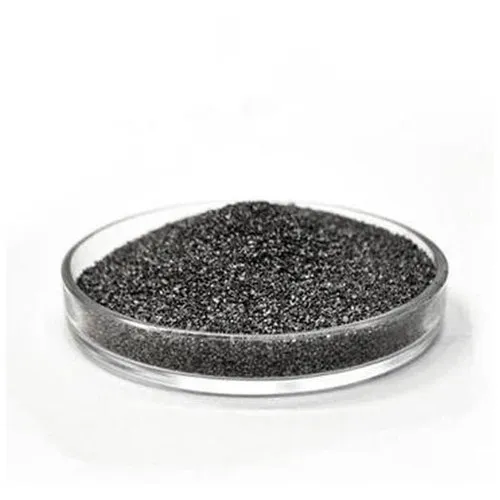
Description
1. Product Overview
Spent Raney Nickel is a recovered catalytic material generated from industrial hydrogenation and reduction processes where Raney nickel catalysts have reached the end of their primary operational life. Despite being classified as “spent,” the material retains significant nickel content and catalytic value, making it highly attractive for metal recovery, catalyst regeneration, and secondary industrial applications. It is widely traded in global recycling and metals recovery markets due to its valuable nickel composition and strategic role in circular resource utilization. For industrial buyers and recyclers, Spent Raney Nickel represents a cost-effective and sustainable feedstock for nickel recovery and catalyst reprocessing operations.
2. Key Specifications & Technical Characteristics
- Material Composition: Nickel (Ni) with residual aluminum and trace catalytic process elements
- Typical Nickel Content: Generally 40–65% Ni (may vary depending on source and process history)
- Purity/Grade: Industrial-grade spent catalyst suitable for metal recovery or reprocessing
- Physical Form: Moist granular powder or slurry-like solid catalyst residue
- Color: Dark gray to black
- Particle Size: Fine porous catalyst particles
- Bulk Density: Typically 0.7–1.1 g/cm³ (depending on moisture content and catalyst structure)
- Moisture Content: Often maintained wet for safety and handling stability
- Packaging Options:
- Sealed steel drums
- UN-approved hazardous material containers
- Bulk bags with inner liner
- Shelf Life: Stable for extended storage when kept sealed and moisture-controlled
3. Core Industrial Applications
Spent Raney Nickel serves as a valuable secondary resource for several industrial sectors, particularly those focused on metal recovery, catalyst recycling, and chemical manufacturing.
Primary Industries
- Metal recovery and refining
- Catalyst regeneration companies
- Specialty chemical manufacturers
- Hydrometallurgical processing plants
- Industrial recycling and circular materials processing
Operational Use Cases
- Nickel extraction and recovery through hydrometallurgical or pyrometallurgical processes
- Catalyst regeneration and reactivation for secondary catalytic applications
- Feedstock for nickel refining operations
- Raw material source for nickel-based alloy or catalyst production
Performance & Economic Advantages
- High residual nickel value makes recovery economically attractive
- Porous catalyst structure allows efficient metal extraction during recovery processes
- Lower acquisition cost compared with primary nickel sources
- Supports circular economy strategies by converting industrial waste into recoverable resources
4. Competitive Advantages
- High Residual Nickel Value: Provides strong economic return for recyclers and refiners
- Consistent Industrial Feedstock: Reliable quality suitable for recovery and reprocessing operations
- Stable Supply Availability: Generated from ongoing chemical and hydrogenation industries worldwide
- Efficient Logistics: Available in standardized industrial packaging for safe global transport
- Cost-Effective Sourcing: Competitive pricing relative to primary nickel ore or refined nickel feedstock
- Sustainability Benefits: Supports responsible metal recovery and reduces dependence on primary mining
- Documentation & Technical Support: Material information and handling guidance available for industrial buyers
5. Commercial & Supply Information
- Minimum Order Quantity (MOQ): BULK 20 MT
- Loading Capacity: 20–22 MT per 20 ft container depending on packaging and moisture content

Reviews
There are no reviews yet.