
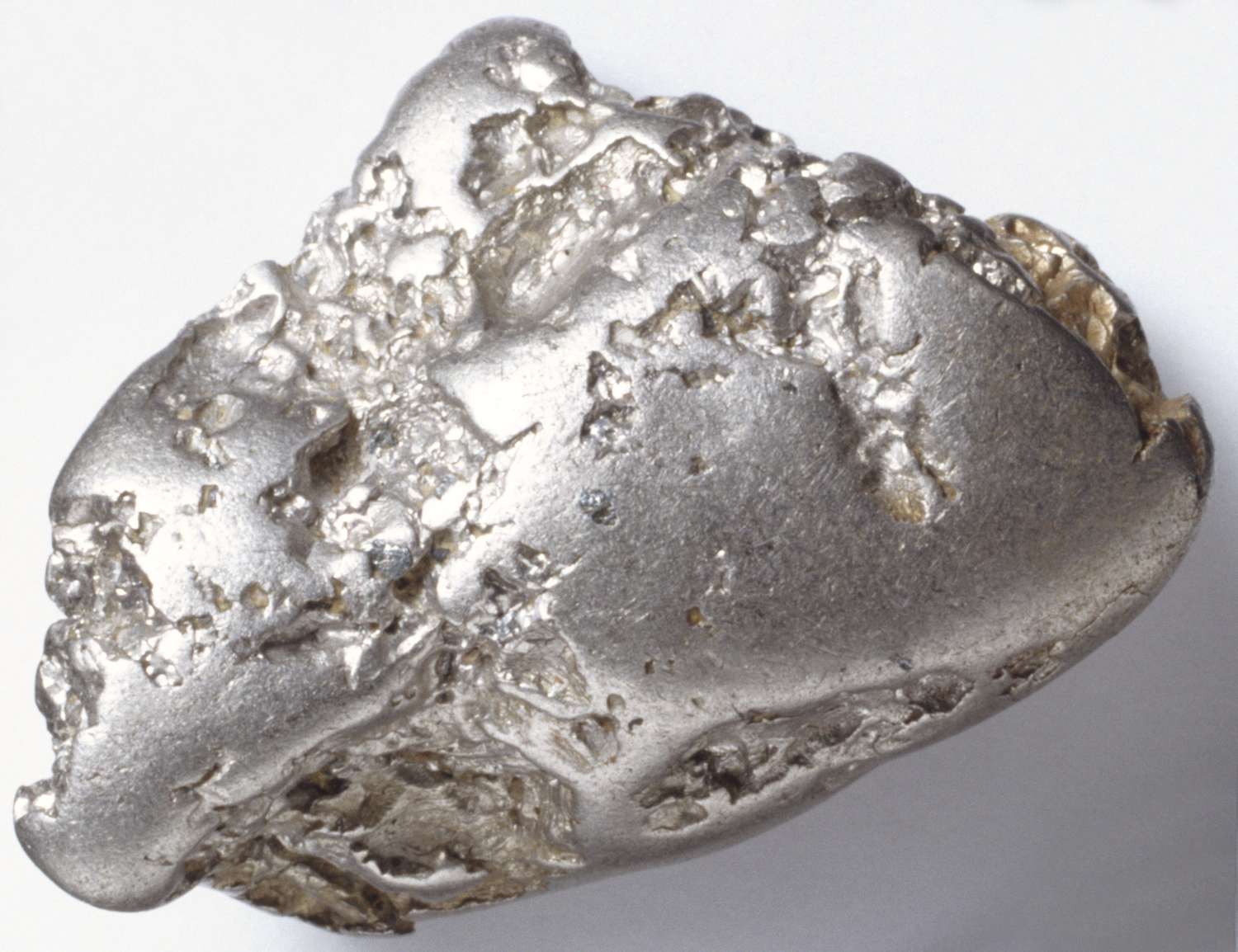
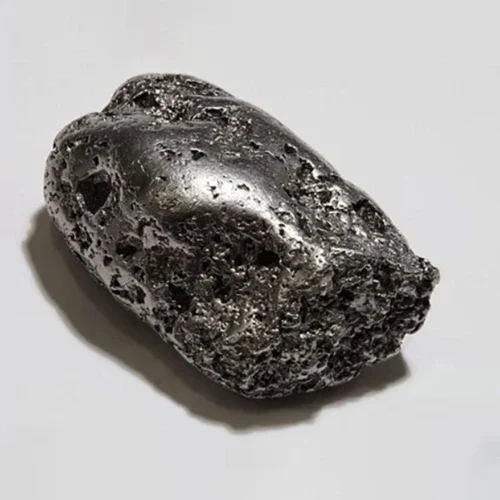


Description
1. Product Overview
Platinum Group Metal (PGM) Residues are high-value secondary materials containing recoverable quantities of precious metals such as platinum, palladium, rhodium, ruthenium, iridium, and osmium. Generated from industrial processes including catalytic reactions, chemical manufacturing, electronics recycling, and petrochemical refining, these residues represent a strategic resource for precious metal recovery and refining. Their primary value lies in enabling cost-efficient extraction of PGMs, which are essential for high-performance catalytic, electronic, and energy applications. As global demand for PGMs continues to grow, these residues provide a sustainable and economically attractive feedstock for refiners and specialized metal recovery facilities.
2. Key Specifications & Technical Characteristics
- Chemical Composition: Residual matrices containing Platinum (Pt), Palladium (Pd), Rhodium (Rh), Ruthenium (Ru), Iridium (Ir), and Osmium (Os), typically embedded in ceramic, carbon, metallic, or oxide substrates
- Purity / Metal Content: Variable PGM concentration depending on source; typically suitable for industrial refining and precious metal recovery processes
- Physical Form: Powder, granules, sludge, ash, or catalyst fragments depending on origin
- Color: Dark grey, black, metallic, or mixed industrial residue appearance
- Particle Size: Variable; typically fine particulate to granular form
- Density: Source-dependent; typically medium to high density due to metal content
- Packaging Options: Industrial bulk bags (1 MT), sealed drums, or customized bulk packaging for international transport
- Shelf Life: Indefinite when stored in dry, sealed conditions; stable for long-term recovery processing
3. Core Industrial Applications
Precious Metal Refining & Recovery
PGM residues serve as an important feedstock for refineries specializing in the extraction and purification of platinum group metals. Through hydrometallurgical and pyrometallurgical processes, valuable metals are recovered and reintroduced into global supply chains.
Catalyst Recycling Industry
These materials are widely used by catalyst recyclers to reclaim PGMs from spent industrial catalysts used in petrochemical processing, chemical manufacturing, and automotive emissions control systems.
Electronics & Advanced Materials Processing
Certain residues originate from electronics manufacturing and high-tech material applications. Specialized recovery operations extract PGMs for reuse in semiconductors, precision electronics, and advanced catalytic technologies.
Sustainable Resource Recovery
Compared with primary mining, recovering PGMs from residues significantly reduces energy consumption and environmental impact while maintaining supply stability for critical industrial metals.
4. Competitive Advantages
- High-Value Recovery Potential: Contains strategic precious metals essential for multiple high-demand industries
- Consistent Industrial Feedstock: Suitable for established refining and metal recovery processes
- Reliable Supply Streams: Generated from ongoing industrial operations ensuring continuous availability
- Efficient Global Logistics: Prepared for bulk international shipping with secure packaging and documentation
- Cost-Efficient Alternative to Primary Ore: Enables refiners to secure PGM supply without reliance on primary mining sources
- Sustainability Benefits: Supports circular economy initiatives by recovering scarce metals from industrial waste streams
- Technical Documentation Available: Material origin and analytical data can be provided to support refining operations
5. Commercial & Supply Information
- Minimum Order Quantity (MOQ): BULK 20 MT
- Loading Capacity: 20–25 MT per standard container depending on packaging configuration
Reviews
There are no reviews yet.