
Description
1. Product Overview
Spent FCC (Fluid Catalytic Cracking) Catalysts are residual catalyst materials generated from petroleum refining processes after extended operational use in FCC units. Despite being classified as “spent,” these catalysts retain valuable metal oxides and aluminosilicate structures, making them highly useful for secondary industrial applications, metal recovery, and construction material production. Their economic value lies in the recoverable rare earth elements and metal content, as well as their performance as a functional additive in cement and other materials. In global industrial markets, spent FCC catalysts represent a strategic circular-economy resource that converts refinery byproducts into cost-efficient raw materials.
2. Key Specifications & Technical Characteristics
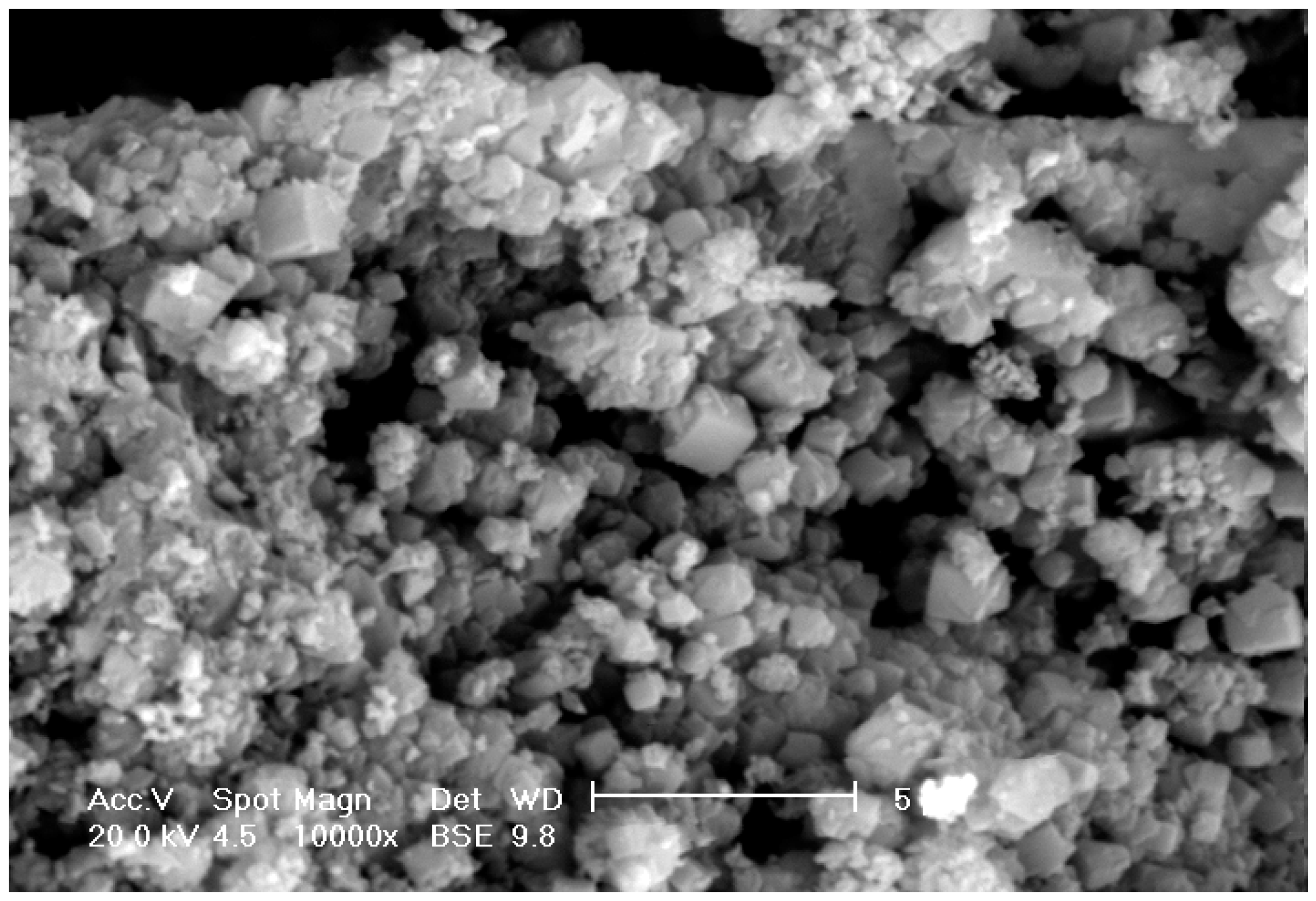
- Material Composition: Aluminosilicate matrix containing silica (SiO₂), alumina (Al₂O₃), rare earth oxides, and trace metals such as nickel (Ni), vanadium (V), iron (Fe), and lanthanum (La)
- Purity / Grade: Industrial-grade refinery byproduct suitable for metal recovery and construction applications
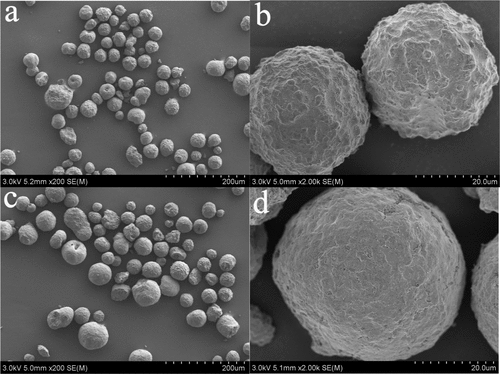
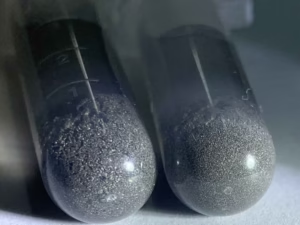
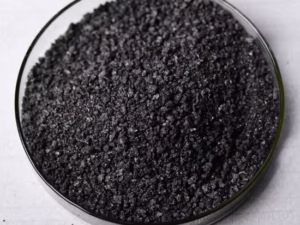
- Physical Form: Fine powder or micro-spherical particles
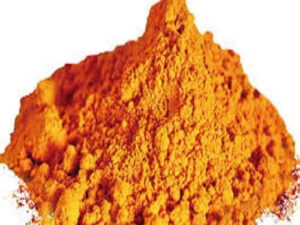
- Color: Grey to off-white
- Particle Size: Typically 20–150 microns (depending on refinery source)
- Bulk Density: Approximately 0.7–0.9 g/cm³
- Moisture Content: Typically <5% (varies by handling conditions)
- Packaging Options:
- Jumbo bags (1 MT)
- Bulk loading for large industrial shipments
- Shelf Life: Indefinite when stored in dry, covered conditions
3. Core Industrial Applications
Petroleum Refining & Metal Recovery
Spent FCC catalysts contain valuable metals such as nickel, vanadium, and rare earth elements that can be extracted through hydrometallurgical or pyrometallurgical processes. These recovered metals are used in alloy production, battery materials, and specialty chemicals.
Cement & Construction Materials
Due to their high silica and alumina content, spent FCC catalysts serve as an effective supplementary cementitious material. When blended into cement formulations, they improve compressive strength, durability, and chemical resistance while reducing clinker consumption.
Ceramics & Advanced Materials
The aluminosilicate structure enables use as a raw material input for ceramics, refractory products, and specialized industrial fillers.
Environmental & Waste Processing
Certain industrial processes repurpose spent FCC catalysts as absorbents or additives in waste treatment applications due to their porous structure and adsorption capacity.
Compared with virgin raw materials, spent FCC catalysts offer a cost-efficient alternative while maintaining strong functional performance in multiple industrial processes.
4. Competitive Advantages
- Quality Consistency: Sourced from reputable refinery operations with stable material characteristics
- Supply Reliability: Regular availability through established industrial recovery and recycling streams
- Logistics Capability: Efficient bulk handling and international shipping support
- Price Competitiveness: Lower cost alternative to virgin aluminosilicate and metal-bearing materials
- Sustainability Value: Supports circular economy initiatives by repurposing refinery byproducts
- Technical Documentation: Material analysis and composition data available upon request
5. Commercial & Supply Information
- Minimum Order Quantity (MOQ): BULK 20 MT
- Loading Capacity: Approximately 20–22 MT per 20-ft container
Reviews
There are no reviews yet.