
Description
1. Product Overview
Spent Hydroprocessing Catalysts are industrial catalyst materials recovered from hydroprocessing units used in petroleum refineries and petrochemical operations. These catalysts typically contain valuable metals such as molybdenum, nickel, cobalt, and vanadium deposited on alumina supports after extended operational cycles. They are primarily sourced for metal recovery, catalyst recycling, and secondary industrial processing applications. Due to their high concentration of strategic metals and growing global demand for circular resource recovery, spent hydroprocessing catalysts represent a valuable feedstock within the refining, metallurgical, and catalyst regeneration markets.
2. Key Specifications & Technical Characteristics
- Chemical Composition: Typically contains molybdenum (Mo), nickel (Ni), cobalt (Co), vanadium (V), aluminum oxide (Al₂O₃) support, with trace metals and hydrocarbons
- Purity / Grade: Industrial spent catalyst grade suitable for metal recovery and recycling processes
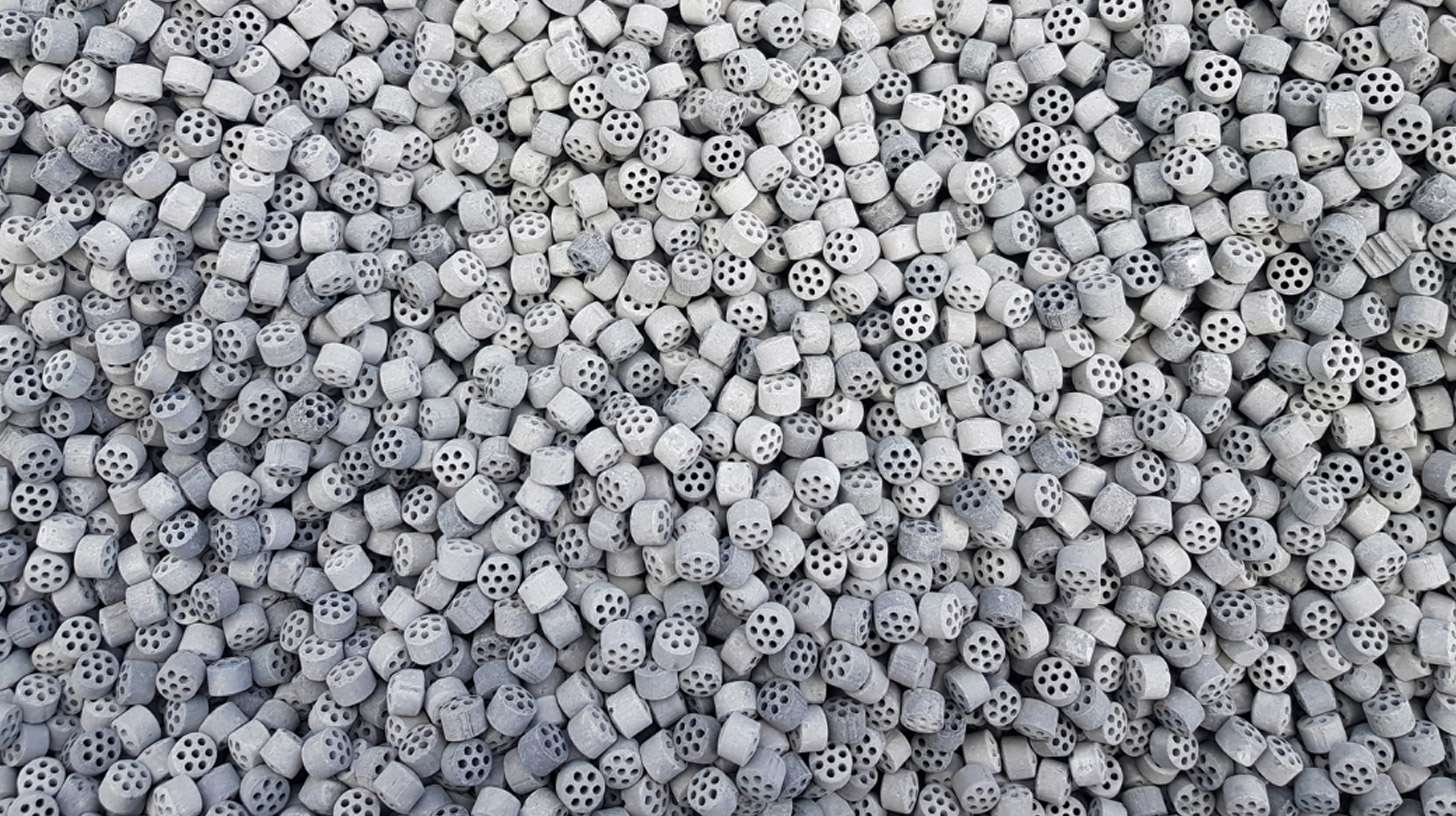
- Physical Form: Porous pellets, extrudates, or cylindrical catalyst particles
- Color: Dark grey to black due to metal deposition and coke formation
- Particle Size: Typically 1–4 mm diameter depending on original catalyst type
- Bulk Density: Approximately 0.7–1.1 g/cm³ (varies by catalyst formulation and service life)
- Moisture Content: Variable depending on storage and handling conditions
- Packaging Options: Bulk jumbo bags (1 MT), sealed industrial sacks, or bulk container loading
- Shelf Life: Stable for long-term storage when kept dry and contained for safe handling
3. Core Industrial Applications
Spent Hydroprocessing Catalysts are widely utilized across industries focused on metal recovery, catalyst regeneration, and secondary resource processing.
- Primary Industries:
- Metal recovery and hydrometallurgical processing
- Catalyst recycling and regeneration companies
- Metallurgical refining operations
- Chemical processing and specialty metals recovery sectors
- Operational Use Cases:
- Recovery of high-value metals such as molybdenum, nickel, cobalt, and vanadium
- Feedstock for hydrometallurgical and pyrometallurgical metal extraction
- Raw material for catalyst regeneration and reprocessing
- Secondary feedstock for advanced metal recovery technologies
Compared with low-grade metallurgical scrap materials, spent hydroprocessing catalysts contain significantly higher concentrations of valuable transition metals, making them an economically attractive input for specialized metal recovery operations. Their consistent industrial origin and concentrated metal content provide superior recovery yields and processing efficiency.
4. Competitive Advantages
- Quality Consistency: Sourced from controlled refinery operations ensuring predictable catalyst composition
- Supply Reliability: Continuous availability through refinery maintenance cycles and catalyst replacement programs
- Logistics Capability: Bulk export packaging suitable for international containerized shipping
- Price Competitiveness: Cost-effective alternative feedstock for strategic metal recovery compared to primary mining sources
- Sustainability Benefits: Supports circular economy practices through recycling of critical industrial metals
- Technical Documentation: Material details and handling information available to support safe transport and processing
These advantages position spent hydroprocessing catalysts as a strategic raw material for companies engaged in industrial metal recovery and catalyst recycling markets.
5. Commercial & Supply Information
- Minimum Order Quantity (MOQ): BULK 20 MT
- Loading Capacity: 20–22 MT per 20 ft container depending on packaging format
- Packaging: Jumbo bags or bulk loading for export shipment
- Supply Capability: Large-volume industrial supply available for long-term sourcing agreements.

Reviews
There are no reviews yet.