
Description
1. Product Overview
Acetone Residue is a by-product stream generated during acetone production, purification, or solvent recovery operations. This stream typically contains residual acetone, heavier ketones, water, and trace organic compounds suitable for recovery, blending, or secondary industrial processing. Its key value proposition lies in delivering recoverable solvent value at a significantly lower cost than virgin-grade acetone while reducing waste treatment expenses. Strategically, acetone residue enables industrial buyers to enhance feedstock efficiency, optimize solvent recovery economics, and support circular resource utilization within chemical manufacturing systems.
2. Key Specifications & Technical Characteristics
- Chemical Composition:
- Residual acetone (C₃H₆O)
- Higher ketones and oxygenated solvents
- Water content (process-dependent)
- Trace aromatic or organic impurities
- Purity Level / Grade:
- Industrial by-product grade
- Solvent composition varies by source and recovery stage
- Full compositional analysis (GC profile) available upon request
- Physical Characteristics:
- Liquid form
- Color: Colorless to light yellow or amber
- Characteristic solvent odor
- Density: Typically 0.78–0.95 g/cm³ (composition-dependent)
- Highly flammable
- Packaging Options:
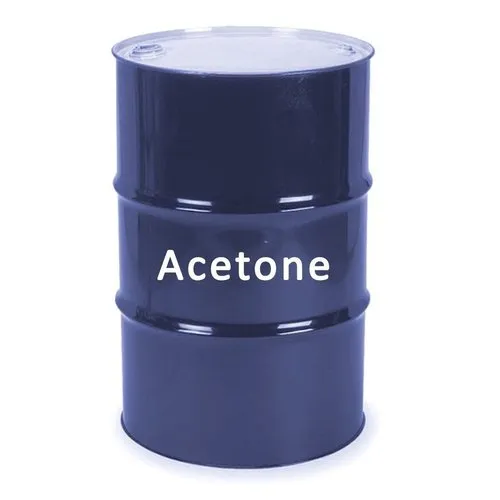
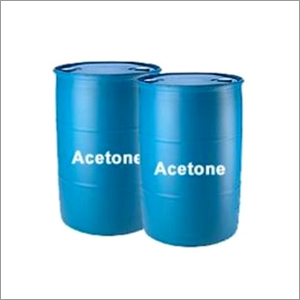
- Bulk tanker trucks
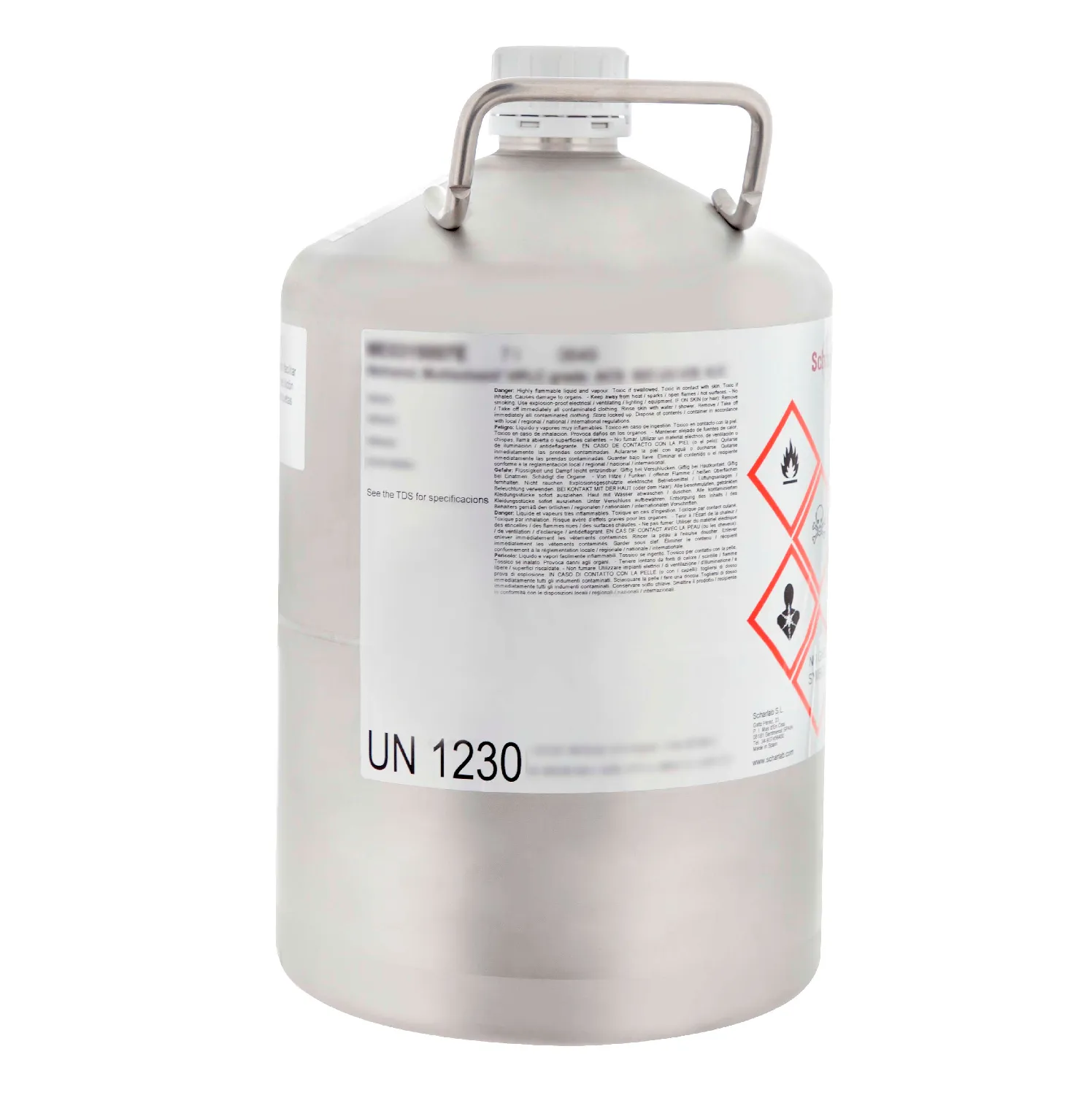
- ISO tank containers
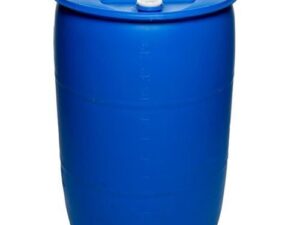
- IBC containers (1,000L)
- Direct bulk transfer to approved storage systems
- Shelf Life:
- Stable under sealed, temperature-controlled storage
- Storage in solvent-compatible, grounded tanks recommended
3. Core Industrial Applications
Primary Industries:
- Solvent recovery and recycling facilities
- Chemical manufacturing
- Resin and coatings production
- Industrial cleaning solution manufacturers
- Fuel blending operations (subject to regulatory compliance)
Operational Use Cases:
- Feedstock for solvent distillation and purification systems
- Secondary input in industrial cleaning formulations
- Blending component in approved solvent or fuel applications
- Raw material for downstream oxygenated solvent synthesis
Performance & Cost Advantages:
Acetone residue provides substantial procurement savings compared to sourcing virgin solvent when integrated into recovery or blending systems. Its recoverable acetone and ketone content enhances material efficiency, while its solvent properties support cost-effective formulation in non-critical purity applications. Industrial buyers benefit from lower raw material expenditure, minimized disposal costs, and improved overall process economics.
4. Competitive Advantages
- Quality Consistency: Batch-level compositional verification with analytical testing
- Supply Reliability: Continuous generation from established acetone production and recovery operations
- Logistics Capability: Certified bulk transport infrastructure including ISO tank shipments
- Price Competitiveness: Significantly lower cost relative to primary-grade acetone
- Sustainability Benefits: Supports solvent recycling and reduces hazardous waste volumes
- Technical Documentation: Certificate of Analysis (COA), Safety Data Sheet (SDS), and transport documentation available
Positioned as a strategic sourcing solution, acetone residue enables buyers to optimize solvent recovery strategies, reduce operational costs, and strengthen sustainability performance within integrated chemical and manufacturing environments.
5. Commercial & Supply Information
- Minimum Order Quantity (MOQ): BULK 20MT
- Loading Capacity (MT per container): Approximately 20–25 MT per 20’ ISO tank container (subject to density and regulatory classification)

Reviews
There are no reviews yet.