
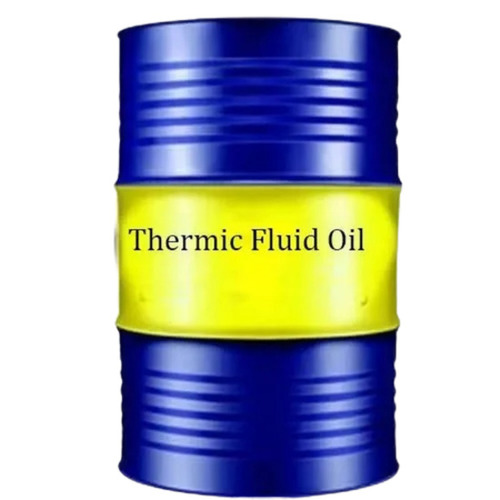
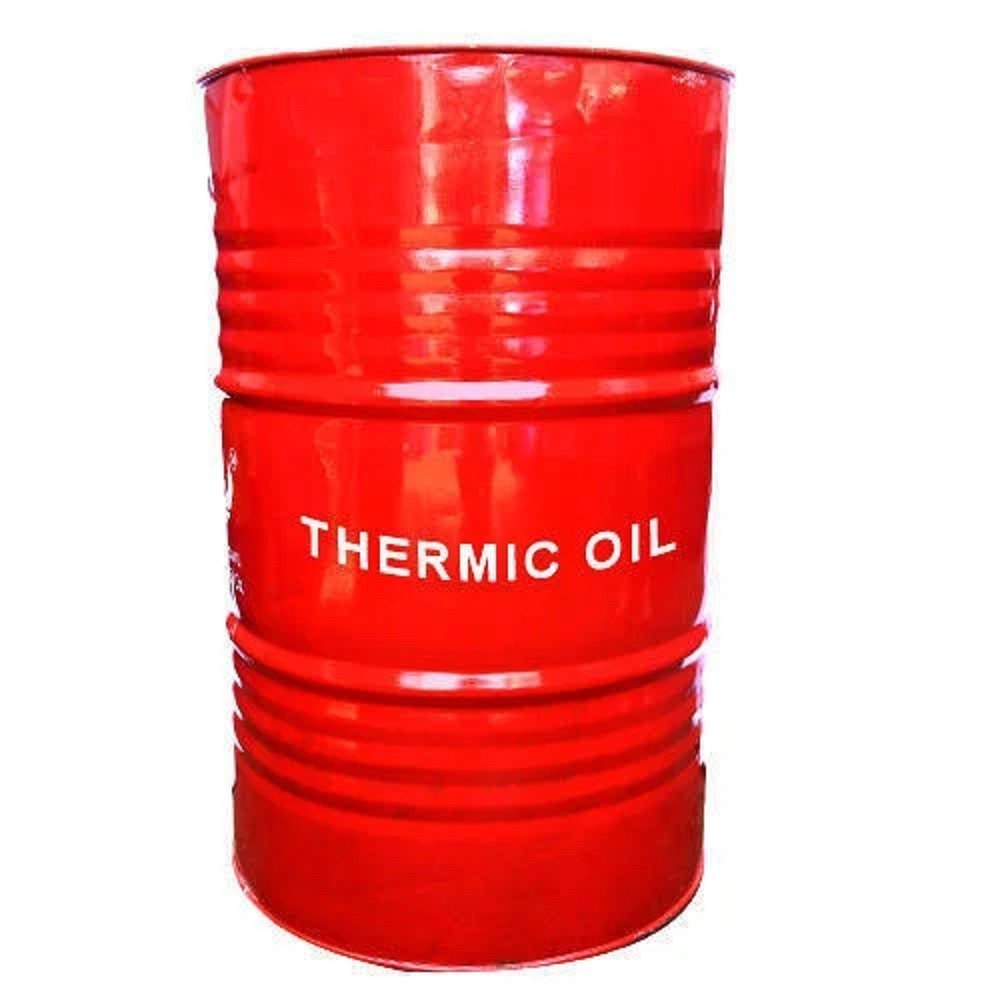
Description
1. Product Overview
Thermal Oil Residue is a heavy hydrocarbon byproduct generated from high-temperature heat transfer systems and thermal oil processing operations in industrial plants. It is primarily utilized as an alternative industrial fuel and as a recoverable hydrocarbon feedstock for energy-intensive sectors.
With substantial residual calorific value and combustible hydrocarbons, Thermal Oil Residue offers a cost-efficient substitute for conventional heavy fuel oils. Strategically, it enables industrial operators to reduce energy procurement costs while maximizing value recovery from thermal system byproducts.
2. Key Specifications & Technical Characteristics
- Primary Composition:
- Heavy aromatic hydrocarbons
- Oxidized thermal oil fractions
- Carbon residues
- Trace metals and sediments
- Calorific Value: Typically 8,000–10,500 kcal/kg
- Carbon Content: 60–80%
- Ash Content: 2–10%
- Moisture Content: <10%
- Sulfur Content: Typically 0.5–3.0% (source dependent)
- Flash Point: >150°C
- Physical Form:
- Viscous liquid to semi-solid residue
- Dark brown to black color
- Density: Approx. 0.95–1.10 g/cm³ at 25°C
- Viscosity: High; heating may be required for pumping and transfer
- Packaging Options:
- Bulk heated tanker trucks
- ISO tank containers (heated)
- Bulk storage tanks
- Shelf Life:
- 6 months under sealed, temperature-controlled storage
3. Core Industrial Applications
Primary Industries
- Cement manufacturing
- Power generation
- Industrial boilers and furnaces
- Waste-to-energy facilities
- Refinery and blending operations
Operational Use Cases
- Alternative fuel for rotary kilns and high-temperature furnaces
- Supplementary fuel for industrial steam boilers
- Blending component in heavy fuel oil formulations
- Feedstock for hydrocarbon recovery and reprocessing
Performance & Cost Advantages
Thermal Oil Residue retains significant heating value, enabling efficient combustion in high-temperature systems. Its high carbon concentration provides stable flame characteristics and consistent thermal output when properly preheated and atomized.
Compared to conventional heavy fuel oil, it delivers a lower cost per unit of energy, making it an economically attractive option for energy-intensive industries. Its reuse supports waste minimization and improves overall plant energy efficiency.
4. Competitive Advantages
- Quality Consistency: Regular calorific value testing and compositional analysis ensure predictable performance.
- Supply Reliability: Continuous availability from industrial thermal oil system maintenance and processing streams.
- Logistics Capability: Heated bulk transport and ISO tank solutions for efficient handling.
- Price Competitiveness: Cost-effective alternative to traditional heavy fuel oils.
- Sustainability Impact: Promotes waste valorization and reduces hazardous disposal volumes.
- Technical Documentation: MSDS, calorific value reports, and chemical analysis available upon request.
- Technical Support: Guidance on handling, preheating requirements, and combustion optimization.
Thermal Oil Residue represents a strategic sourcing opportunity for industrial buyers seeking energy cost optimization and sustainable resource utilization.
5. Commercial & Supply Information
- Minimum Order Quantity (MOQ): Bulk 20 MT
- Loading Capacity:
- 20ft ISO Tank Container: Approx. 20–25 MT
- Bulk Heated Road Tanker: 20–30 MT (subject to transport regulations)



Reviews
There are no reviews yet.