
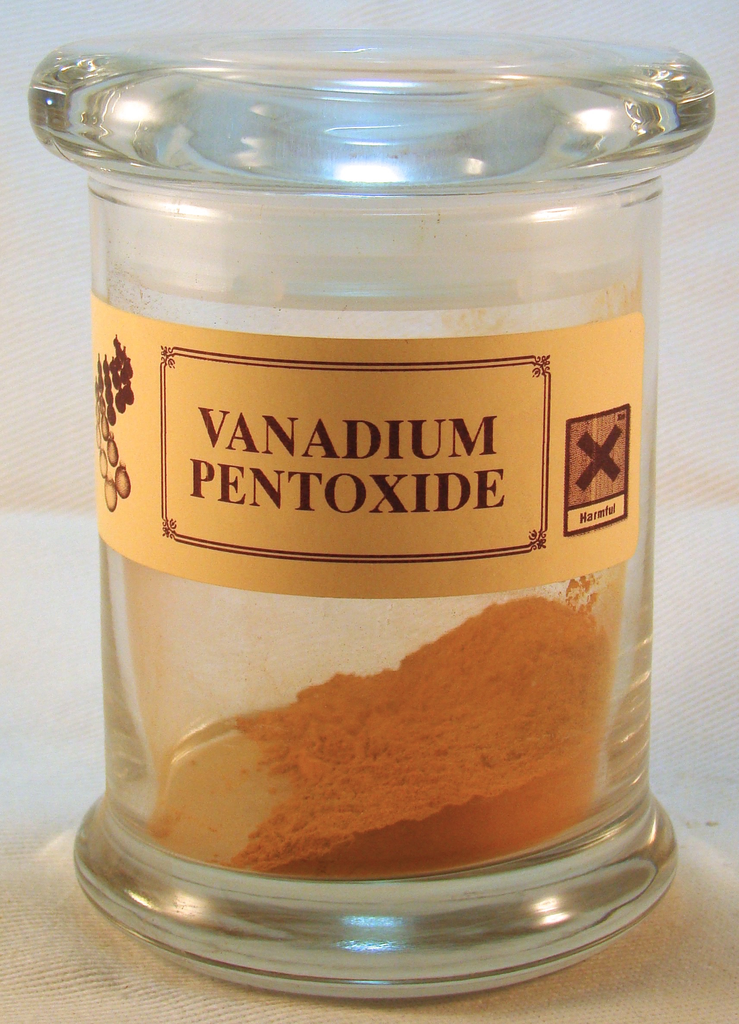
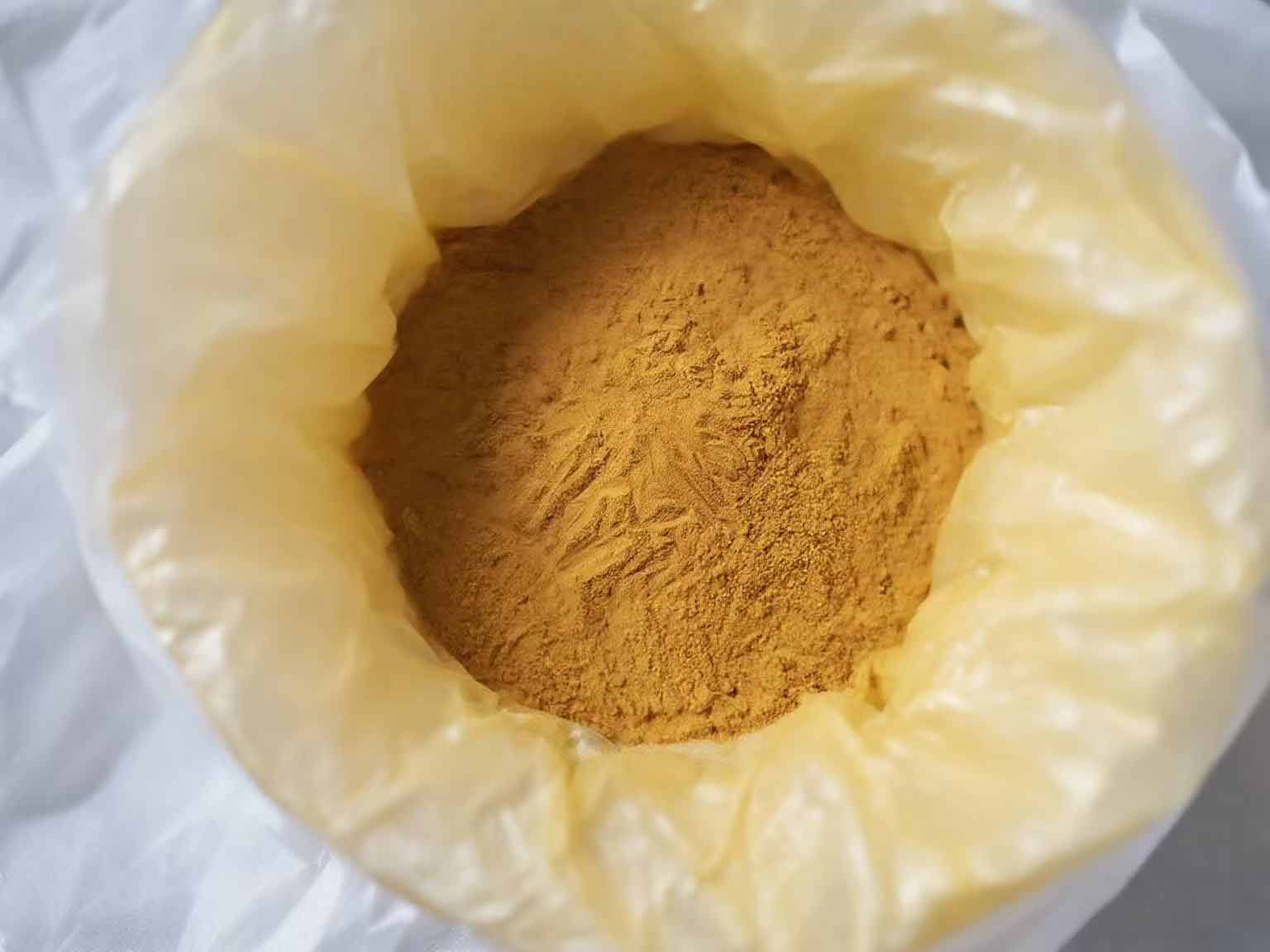
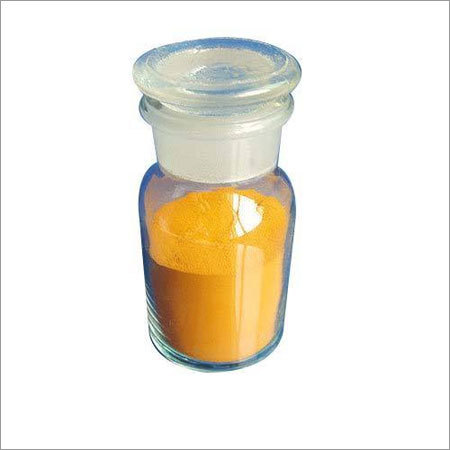
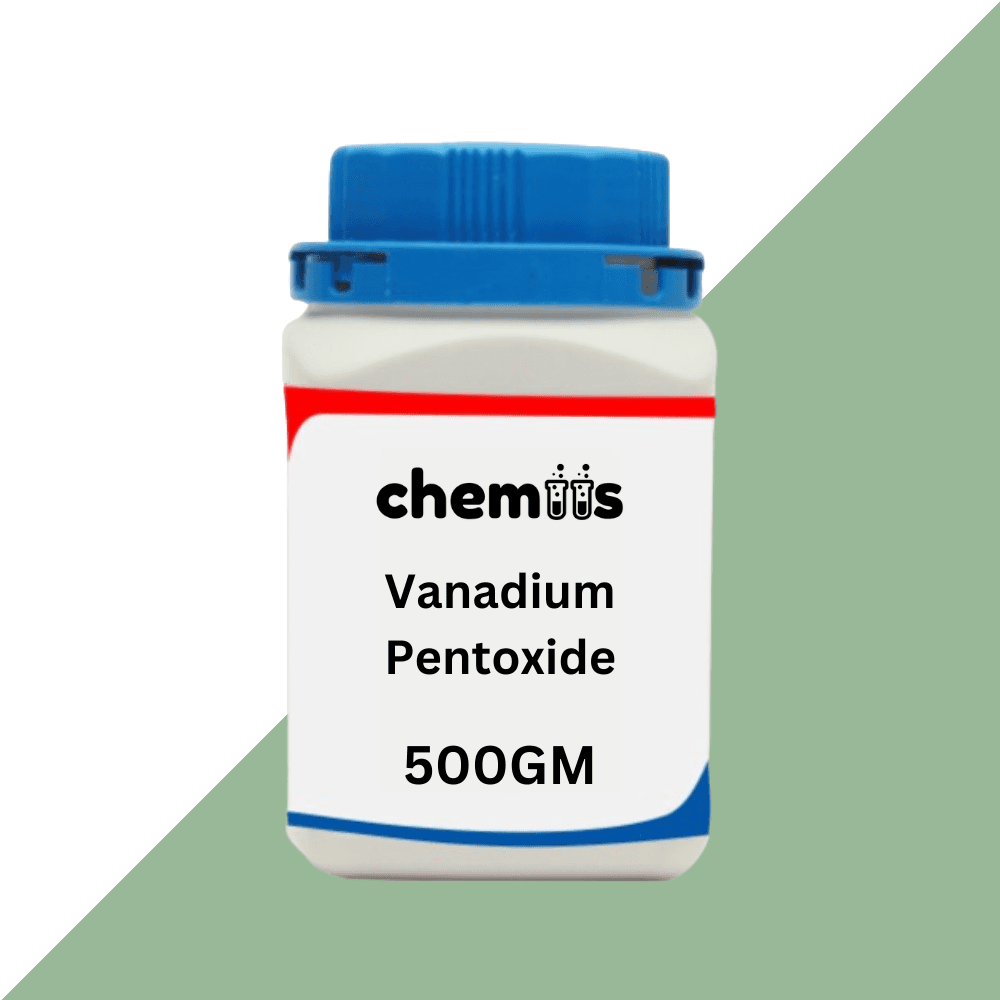
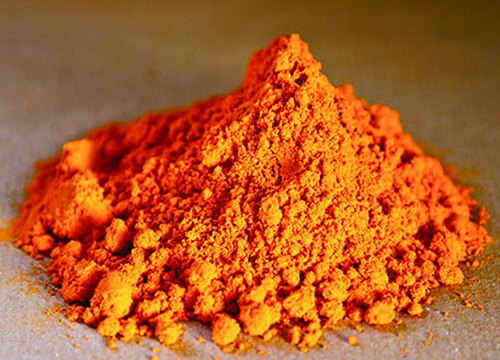
Description
1. Product Overview
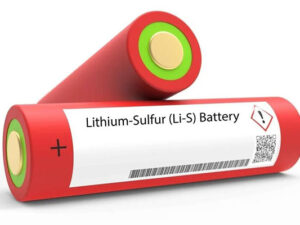
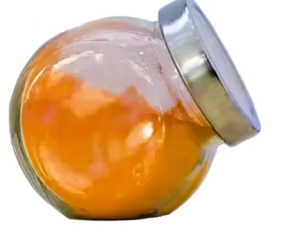
High-purity vanadium pentoxide (V₂O₅) is a critical transition metal oxide serving as the primary feedstock for vanadium chemicals, master alloys, and redox flow batteries. Its primary industrial use lies in high-strength steel microalloying (HSLA) and vanadium redox battery (VRB) electrolytes. The key value proposition is its ability to deliver superior grain refinement and corrosion resistance in metallurgy, while enabling grid-scale renewable energy storage. Strategically, it is indispensable as global infrastructure modernization and energy transition mandates drive demand for stronger, lighter steel and long-duration battery storage.
2. Key Specifications & Technical Characteristics
-
Chemical composition: Vanadium pentoxide (V₂O₅) ≥99.5% min.; impurities: Si, Fe, P, S, As, each ≤0.1% – 0.01% depending on grade
-
Purity level: 99.5% (standard high-purity) / 99.9% (premium battery-grade available)
-
Physical characteristics:
-
Form: Flake, powder, or crystalline aggregate
-
Color: Yellow-orange to brick-red
-
Particle size: Flake (1–6 mm) / Powder (100 mesh, 200 mesh, 325 mesh)
-
Bulk density: ~0.8–1.2 g/cm³ (powder) / ~1.5–2.0 g/cm³ (flake)
-
Melting point: 690°C
-
-
Packaging options: 25 kg multi-ply paper or PP bags on pallets (1 MT per pallet); 1 MT big bags; heat-sealed moisture-barrier drums for battery-grade
-
Shelf life: 36 months in unopened, dry, non-acidic storage conditions
3. Core Industrial Applications
-
Primary industries: High-strength steel production (automotive, construction, rail), vanadium redox flow batteries (utility energy storage), chemical catalysts (sulfuric acid production), titanium‑vanadium alloys (aerospace)
-
Specific operational use cases:
-
Steel microalloying: Added during ladle metallurgy to form V(C,N) precipitates → 20–30% higher yield strength without extra weight
-
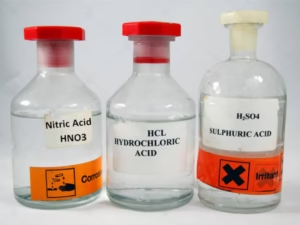
VRB electrolyte: Dissolved in sulfuric acid to create V²⁺/V³⁺ and VO²⁺/VO₂⁺ redox pairs for 10,000+ cycle stability
-
Sulfuric acid catalyst: Acts as active phase on silica support for SO₂ → SO₃ conversion
-
-
Why this product performs better than alternatives: Compared to ferrovanadium, V₂O₅ offers precise vanadium dosing and lower melting point for faster dissolution. Versus lower-purity oxides (98%), 99.5% grade minimizes tramp elements (e.g., phosphorus, arsenic) that embrittle steel or poison battery membranes.
-
Efficiency / durability / cost advantages: In batteries – 20% higher energy efficiency per vanadium unit due to reduced side reactions. In steel – lower addition rate (0.05–0.15% V) achieves same strength gain as 0.5% niobium, cutting alloy cost by ~15%.
4. Competitive Advantages
-
Quality consistency: Lot-to-lot variation <0.2% in purity; each batch certified via ICP-OES/XRF with traceability from ore processing to final packaging
-
Supply reliability: Vertically integrated production from primary vanadium-bearing magnetite; dual-sourcing from secondary streams (spent catalysts, slag) ensures uninterrupted delivery
-
Logistics capability: 48-hour dispatch for stock items from regional hubs (Americas, Europe, Asia); temperature-monitored dry containers for battery-grade material
-
Price competitiveness: Long-term contracts with index-linked pricing (Fastmarkets MB, CRU) + volume rebates; no premium for 99.5% grade over standard 98% in MT lots
-
Sustainability: Zero liquid discharge processing; >95% recycled water; ISO 14001-certified facility with documented lower carbon footprint than Chinese pyrometallurgical routes
-
Technical support: Full SDS, TDS, and COA; on-call metallurgical and battery electrolyte engineers for customer recipe integration
5. Commercial & Supply Information
-
Minimum order quantity (MOQ): 20 MT (one standard bulk container)
-
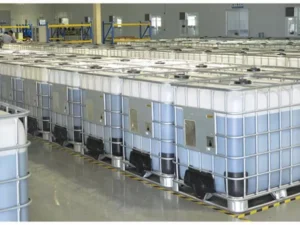
Bulk loading capacity: 20 MT per 20-foot dry container (palletized big bags or 1 MT sacks); 24 MT per 20-foot container for loose flake (density optimized)
Reviews
There are no reviews yet.