


Description
1. Product Overview
Lanthanum oxide (La₂O₃) is a high-purity rare earth compound engineered specifically as an active component in Fluid Catalytic Cracking (FCC) catalysts for petroleum refining. Its primary industrial use is to enhance zeolite stability, increase gasoline yield, and reduce coke formation in FCC units. The key value proposition is a demonstrable increase in catalyst hydrothermal stability and bottoms upgrading, directly improving refinery margins. Strategically, it is indispensable as global demand for cleaner, high-octane fuels intensifies and refiners seek to maximize conversion from heavier feedstocks.
2. Key Specifications & Technical Characteristics
-
Chemical composition: La₂O₃ (minimum 99.9% total rare earth oxides, with La₂O₃/TREO ≥ 99.95%)
-
Purity level: 99.9% – 99.999% (3N–5N) depending on grade; low impurities: Na₂O < 0.01%, CaO < 0.02%
-
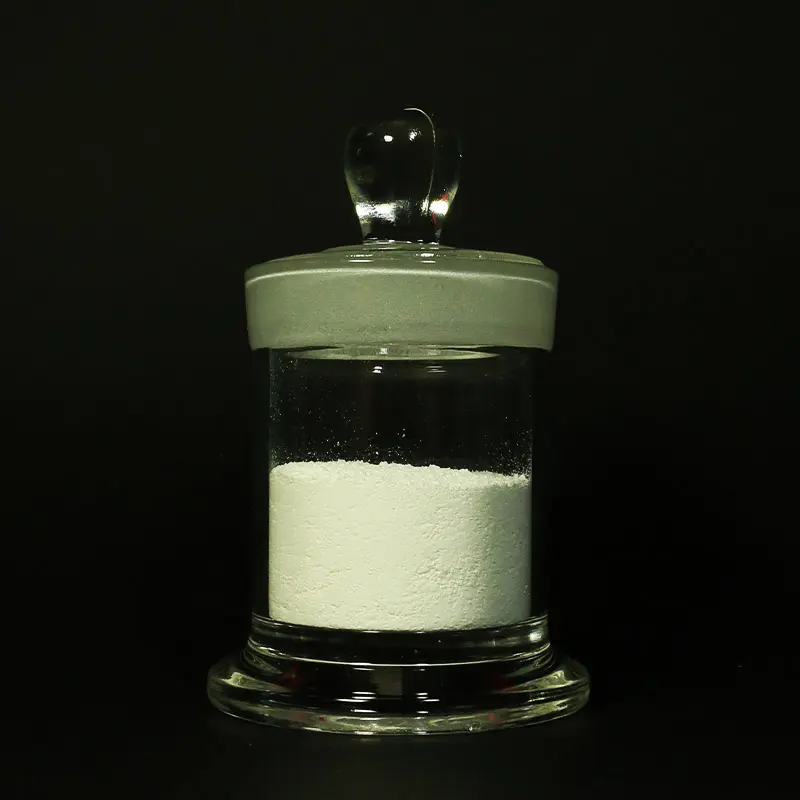
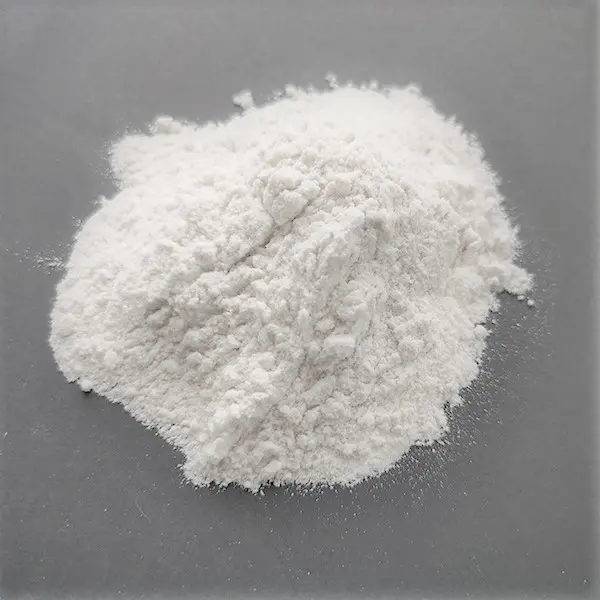
Physical characteristics: White free-flowing powder; D50 particle size: 3–5 µm; specific surface area (BET): 4–8 m²/g; bulk density: 0.8–1.2 g/cm³
-
Packaging options: 25 kg sealed aluminum foil bags, 500 kg flexible intermediate bulk containers (FIBCs), or 1,000 kg drum-lined steel drums
-
Shelf life: 24 months in original unopened packaging stored in dry, ambient conditions (≤ 30°C, < 70% RH)
3. Core Industrial Applications
-
Primary industry: Petroleum refining (FCC units) – used globally by major refiners and catalyst manufacturers (e.g., Grace, BASF, Albemarle).
-
Specific operational use cases: (1) Stabilization of RE-USY zeolites in FCC catalysts; (2) Vanadium trapping to protect zeolite framework; (3) Enhancing bottoms cracking and LPG olefinicity.
-
Performance advantage vs. alternatives: Compared to cerium- or lanthanum-rich mixed oxides, pure La₂O₃ offers superior resistance to hydrothermal deactivation (maintains 15–20% higher surface area after steam aging) and lower hydrogen transfer activity, preserving gasoline olefins.
-
Commercial benefit: Extends catalyst life by up to 30% in high-severity units, reduces catalyst makeup rate by 0.2–0.5 lb/bbl, and increases light cycle oil yield by 1–2 vol%.
4. Competitive Advantages
-
Quality consistency: ISO 9001:2025 certified; lot-to-lot variability < 2% (ICP-OES verified); each batch includes certificate of analysis (COA) with 12 trace elements.
-
Supply reliability: Long-term mining and separation partnerships in Laos and Australia (non-sensitive jurisdictions); 98% on-time delivery record over 36 months.
-
Logistics capability: Dedicated humidity-controlled warehousing at Rotterdam, Houston, and Singapore hubs; expedited 5-day express lane available.
-
Price competitiveness: Direct ex-works pricing from separation plant, removing 2–3 intermediary margins; quarterly price-lock options for contracts ≥ 50 MT/year.
-
Sustainability: Zero liquid discharge separation process; REACH and TSCA compliant; full conflict-free mineral reporting.
-
Technical support: In-house refining catalyst PhD team provides free recipe consultation and pilot-scale aging testing with your FCC equilibrium catalyst.
5. Commercial & Supply Information
-
Minimum order quantity (MOQ): 1 metric ton (MT) for standard 99.9% grade; 500 kg for higher purities (99.99%+)
-
BULK 20MT loading capacity: 20 MT per 20-foot dry container (18 pallets × 25 kg bags or 20 × 1 MT FIBCs)
-
Loading capacity per 40-foot HC container: 25 MT (utilizing floor‑loaded FIBCs with load spreaders)
-
Lead time: 15 days ex‑warehouse (hub locations); 35 days FOB origin (ex‑mill)
Reviews
There are no reviews yet.