
Description
1. Product Overview
Phenol Formaldehyde Resin is a high-performance thermosetting synthetic polymer engineered for exceptional thermal stability, mechanical rigidity, and chemical resistance. It is primarily used as a binding agent in friction materials, abrasives, foundry molds, and wood adhesives. The key value proposition lies in its ability to withstand extreme temperatures (up to 200°C continuous) while maintaining structural integrity—delivering superior wear resistance and dimensional stability over alternative resins. Strategically, it remains irreplaceable in automotive braking systems and industrial composites, where safety and durability are non-negotiable.
2. Key Specifications & Technical Characteristics
-
Chemical composition: Phenol-formaldehyde copolymer, hexamine-cured (novolac type) or resole type as specified
-
Purity level: ≥98.5% solid content; free phenol <0.5%, free formaldehyde <0.3%
-
Physical characteristics:
-
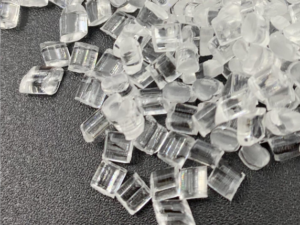
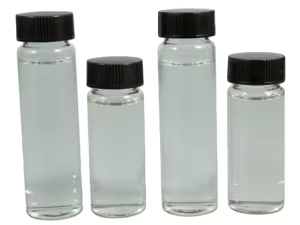
Form: Fine powder or liquid solution (depending on grade)
-
Color: Light yellow to amber powder (novolac) or dark red liquid (resole)
-
Particle size: 95% passing through 200 mesh (powder grade)
-
Bulk density: 0.55–0.65 g/cm³ (powder); 1.15–1.20 g/cm³ (liquid, 75% solids)
-
Viscosity (liquid): 800–1,500 cP at 25°C
-
-
Packaging options: 25 kg multi-ply paper bags with PE liner; 200 kg steel drums (liquid); 1,000 kg FIBC bulk bags
-
Shelf life: 12 months from production date when stored below 25°C in dry, ventilated conditions
3. Core Industrial Applications
-
Automotive & rail friction materials: Brake pads, clutch facings, and brake linings — outperforms cashew or epoxy resins with 30% higher heat fade resistance and 20% lower wear rate.
-
Abrasives: Grinding wheels, sandpaper, and cutting discs — provides superior grain retention and heat dissipation, extending tool life by 25–40% vs. polyester binders.
-
Foundry & metallurgy: Shell molding sands and refractory linings — delivers higher hot strength and faster cure cycles, reducing casting defects and cycle time by 15%.
-
Wood composites: Exterior-grade plywood, oriented strand board (OSB), and industrial laminates — achieves water boil resistance (passes 2-hour boil test) unmatched by urea-formaldehyde, at comparable cost.
4. Competitive Advantages
-
Quality consistency: ISO 9001:2025 certified; batch-to-batch gel time variation <±5 seconds (ASTM D4217); each lot tested for free phenol, flow distance, and hot plate cure.
-
Supply reliability: Dual-sourced raw phenol and formaldehyde; three dedicated production lines with 98.5% on-time delivery track record.
-
Logistics capability: Global warehousing in Rotterdam, Houston, Shanghai, and Jebel Ali — 48-hour dispatch for emergency orders.
-
Price competitiveness: Direct procurement from phenol producers removes intermediary margins; volume-based discounts up to 12% below regional spot averages.
-
Sustainability: Low-formaldehyde variant available (<0.1% free); 100% recyclable packaging; production process meets REACH and EPA TSCA standards.
-
Technical support: Full SDS, COA, and cure curve modeling provided; on-site application engineering available for large accounts.
5. Commercial & Supply Information
-
Minimum order quantity (MOQ): 20 metric tons (MT) per product grade
-
Loading capacity (MT per container):
-
20-ft dry container: 18–20 MT (powder, bagged)
-
40-ft dry container: 20 MT (liquid, drums) — restricted by gross weight
-
Bulk flexitank (liquid): 22–24 MT per 20-ft container
-


Reviews
There are no reviews yet.