
Description
1. Product Overview
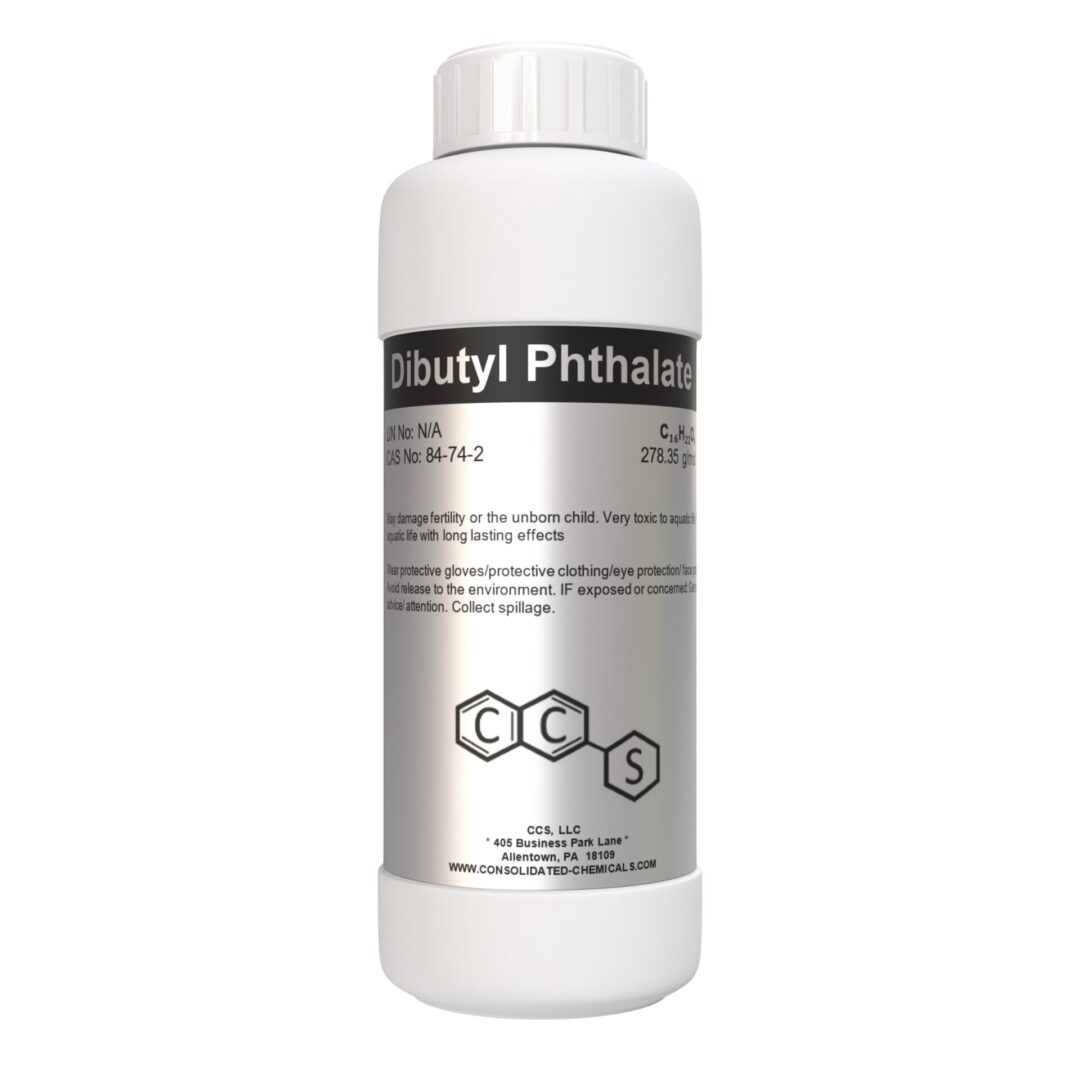
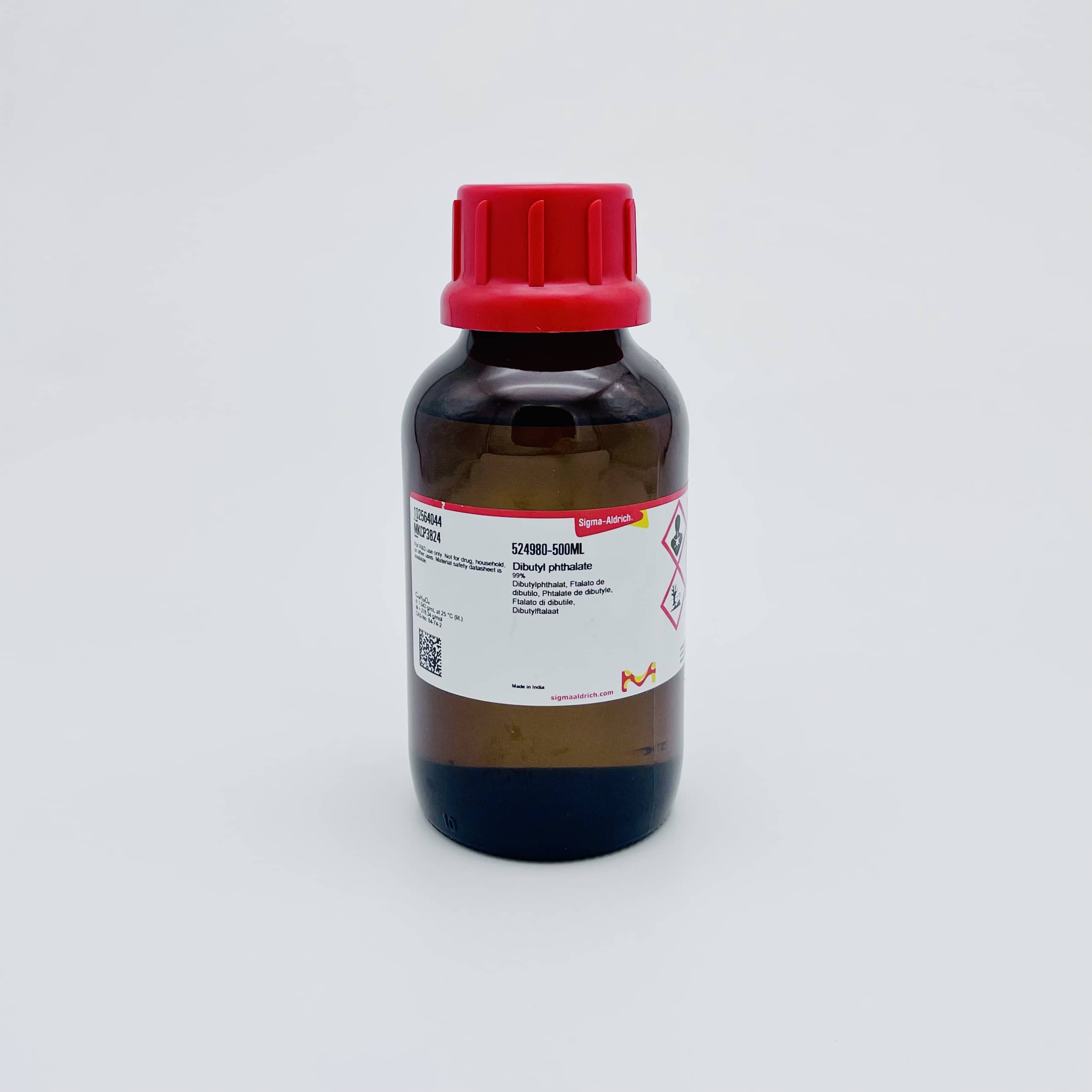
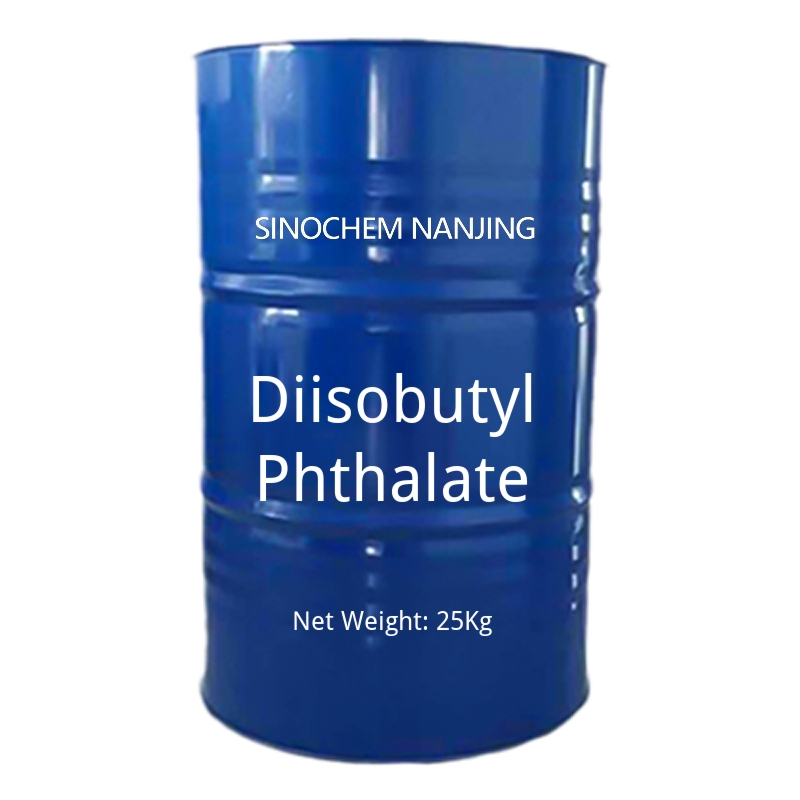
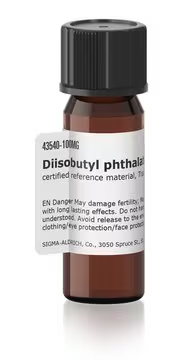
Diisobutyl phthalate (DIBP) is a high-performance, general-purpose plasticizer engineered to enhance the flexibility, workability, and durability of polymer systems. Primarily used as a cost-effective alternative to DBP (dibutyl phthalate) in nitrocellulose coatings, adhesives, and sealants, DIBP delivers superior solvating power and low-temperature flexibility. Its strategic market value lies in balancing performance with competitive pricing, making it a critical input for industries seeking reliable plasticization without over-engineering formulations.
2. Key Specifications & Technical Characteristics
-
Chemical composition: Diisobutyl phthalate (C₁₆H₂₂O₄), CAS No. 84-69-5
-
Purity grade: Industrial grade ≥99.0% (typical); high-purity options available upon request
-
Physical characteristics:
-
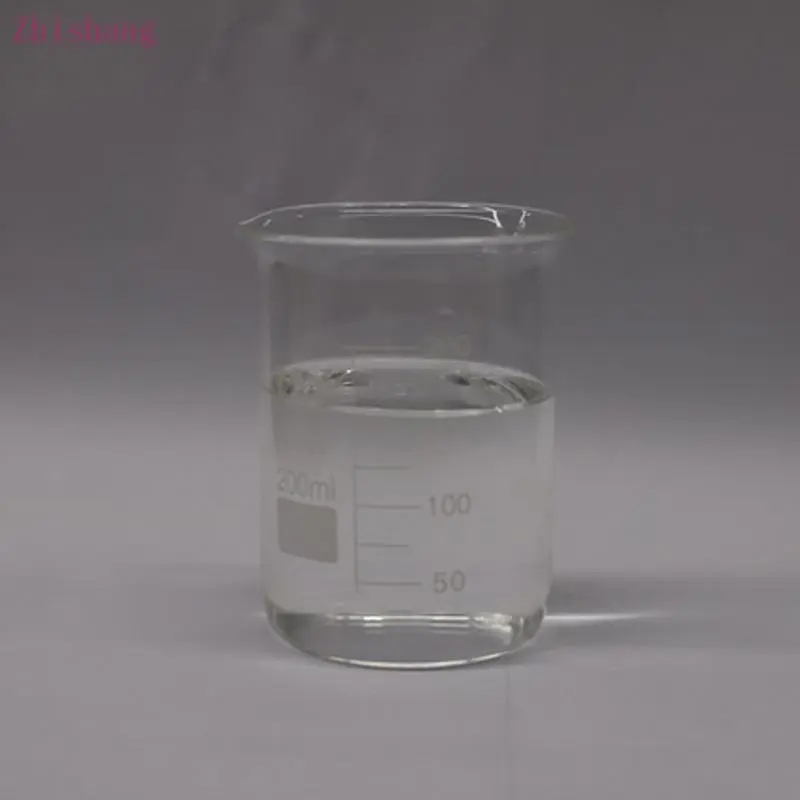
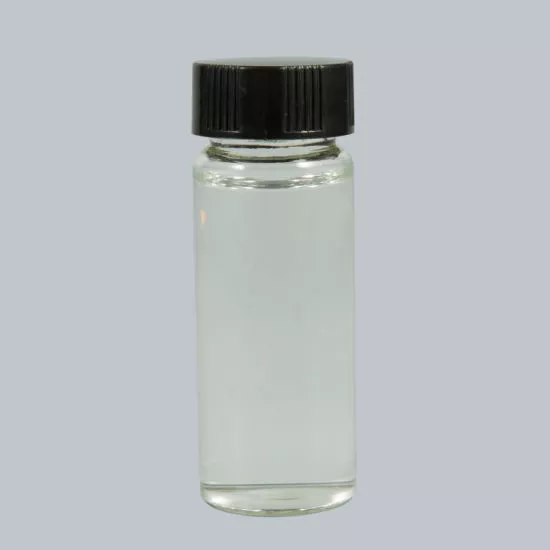
Form: Clear, oily liquid
-
Color: APHA ≤30 (colorless to pale yellow)
-
Density (20°C): 1.035–1.040 g/cm³
-
Acid value: ≤0.07 mg KOH/g
-
Water content: ≤0.10%
-
-
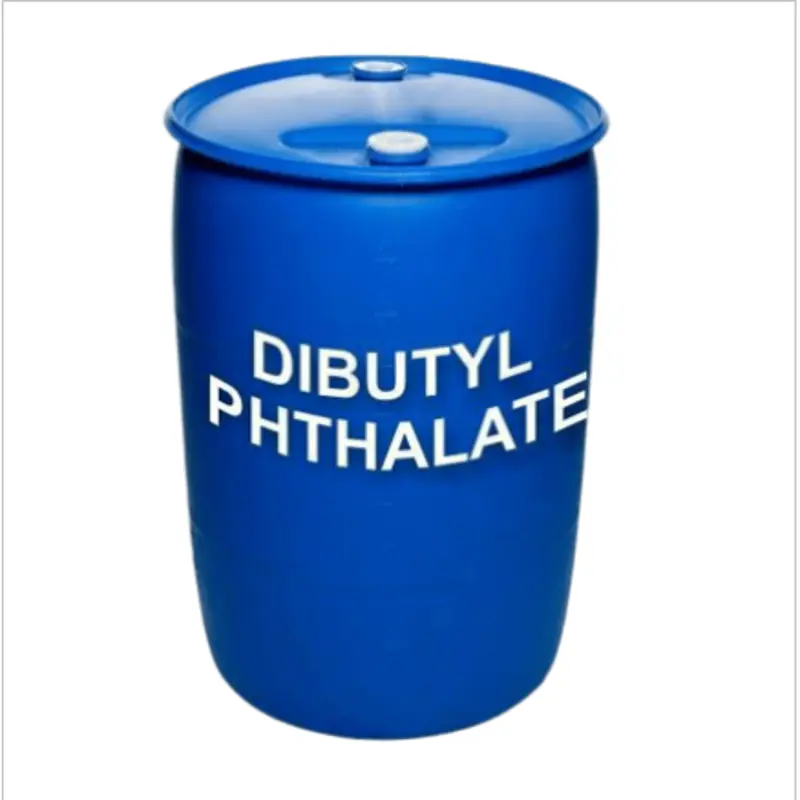
Packaging options: IBC totes (1,000 kg), steel drums (200 kg net), isotanks, flexitanks, bulk vessel
-
Shelf life: 24 months in original unopened containers, stored below 40°C away from oxidizers
3. Core Industrial Applications
-
Primary industries: Coatings & paints, adhesives & sealants, printing inks, rubber processing
-
Operational use cases:
-
Nitrocellulose lacquers: Imparts film flexibility and prevents cracking during low-temperature curing
-
PVC plastisols: Reduces viscosity and improves fusion characteristics (secondary plasticizer role)
-
Adhesives (PVAc, polyurethane): Extends open time and enhances peel strength
-
-
Performance advantage: Compared to DBP, DIBP offers slower evaporation (better working time) and equivalent efficiency at lower dosage levels. Versus DINP/DIDP, DIBP provides faster solvation, reducing processing cycle times by 10–15% in high-speed mixing lines.
4. Competitive Advantages
-
Quality consistency: ISO 9001:2025 certified production with batch-to-batch purity variance <0.2%; SGS/Intertek testing reports available per lot
-
Supply reliability: Multiple sourcing points (Asia, Middle East, Europe) with buffer stock maintained in Rotterdam, Houston, and Shanghai hubs
-
Logistics capability: Temperature-controlled bulk vessels and ISO tanks for degradation-free delivery; lead times 14–21 days FOB global ports
-
Price competitiveness: 8–12% lower than DBP on equal-volume basis; fixed quarterly pricing contracts available for >500MT/year
-
Sustainability & compliance: REACH registered, RoHS compliant, SVHC-listed (requires notification above 0.1% in articles); no phthalate restriction in industrial coatings (exempted in EU Directive 2018/852 for non-toys/non-childcare)
-
Technical support: Full Material Safety Data Sheets (MSDS), stability guides, and formulation benchmarking against DINP/DOA provided by in-house polymer engineers
5. Commercial & Supply Information
-
Minimum order quantity (MOQ): 20 metric tons (MT) – one full 20-foot container equivalent


Reviews
There are no reviews yet.