
Description
1. Product Overview
Polyether block amide (PEBA) is a high-performance thermoplastic elastomer (TPE) combining the flexibility of polyether soft blocks with the mechanical strength of polyamide hard blocks. It is primarily used in precision engineering applications requiring superior dynamic performance, such as sports footwear, medical catheters, and industrial membranes. The key value proposition lies in its exceptional flex-fatigue resistance, low-temperature impact strength (-40°C), and tunable rigidity. Strategically, PEBA is replacing conventional rubbers and lesser TPEs across lightweighting and miniaturization-driven industries, offering a decisive total-cost-of-ownership advantage.
2. Key Specifications & Technical Characteristics
-
Chemical composition: Copolymer of polyether (soft segment) and polyamide (hard segment – PA12 or PA6)
-
Grades available: Shore D 25 to Shore D 72; standard extrusion/injection molding grades
-
Purity level: >99.5% reactive polymer content; no plasticizers or halogenated additives
-
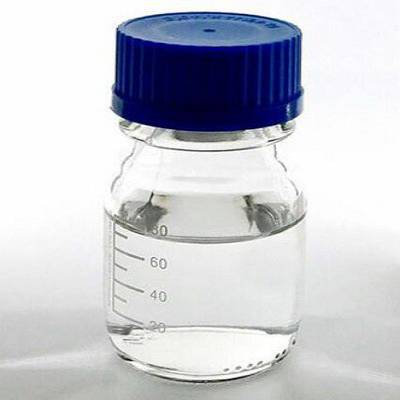
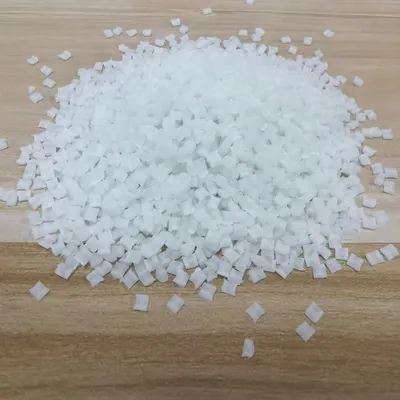
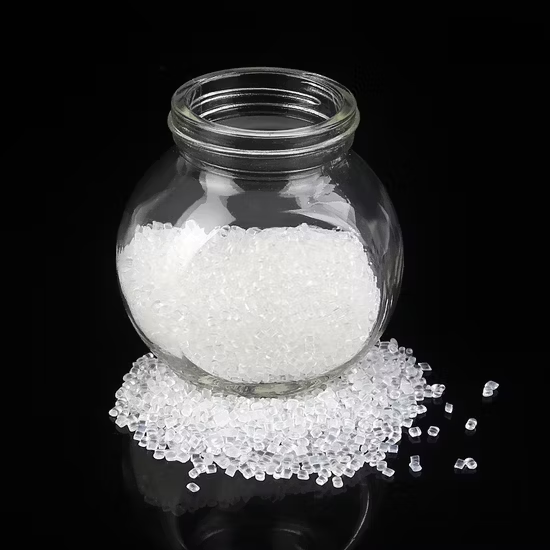
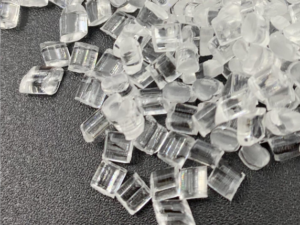
Physical characteristics: Translucent white to natural pellets; 2.5–3.5 mm pellet size; density 1.00–1.03 g/cm³; melt flow index (MFI) 5–25 g/10min (235°C/2.16kg)
-
Moisture content: <0.15% as supplied
-
Packaging options: 25 kg moisture-barrier aluminum-lined bags; 750 kg flexible intermediate bulk containers (FIBCs); 1,000 kg heat-sealed octabins
-
Shelf life: 24 months in original unopened packaging stored at <40°C and <65% RH
3. Core Industrial Applications
-
High-performance sports footwear: Direct-injection midsoles for running shoes (e.g., supercritical foaming) – PEBA delivers up to 85% energy return vs. 65% for EVA, with 3× greater flex life.
-
Medical devices: Thin-wall catheters and tubing – PEBA’s kink resistance at wall thicknesses <0.2 mm reduces failure rates by 40% vs. polyurethanes.
-
Industrial pneumatic tubing: Robotic air lines and cable carriers – PEBA retains flexibility at -40°C to +120°C, eliminating winter downtime for automated lines.
-
Membranes & selective permeation: Vapor recovery and gas separation – PEBA’s block architecture enables 2–5× higher CO₂ permeability than PDMS while maintaining selectivity.
-
Consumer electronics: Watch straps and antenna components – chemical resistance to sweat and lotions prevents yellowing and cracking over 5+ years.
4. Competitive Advantages
-
Quality consistency: Lot-to-lot melt viscosity variation <±7% (ISO 1133); each batch validated by FTIR and DSC against certified reference standards.
-
Supply reliability: Dual-sourced raw materials (PA12 and PTMEG) with 3 regional warehouses (Americas, EMEA, Asia) ensuring ≤5-day lead times for stock grades.
-
Logistics capability: Temperature-controlled container shipments with moisture-monitoring data loggers; default vacuum-sealed bags prevent hydrolysis during ocean freight.
-
Price competitiveness: Volume pricing at 15–20% below European incumbents (Arkema, Evonik) for equivalent Shore D 40–55 grades, achieved through optimized catalyst efficiency.
-
Sustainability: Option for bio-based polyether content (up to 30% renewable carbon); ISO 14001 certified production; fully recyclable via hydrolysis depolymerization.
-
Technical support: Full rheology curves, injection molding parameter sheets, and CAE simulation data (Moldex3D, Autodesk Moldflow) available via partner portal.
5. Commercial & Supply Information
-
Minimum order quantity (MOQ): 1 MT (metric ton) for standard natural grades; 5 MT for custom Shore hardness or color-matched compounds
-
BULK 20MT: Standard full container load (FCL) pricing applies – 20 MT net weight per 20-foot dry container (pallets stacked 2-high)
-
Loading capacity per container:
-
20-foot container: 20 MT (20,000 kg) net on 20 Euro pallets
-
40-foot container: 20 MT max due to weight limit (not volume) – use 20’ for PEBA to maximize freight efficiency
-
-
Incoterms offered: EXW (factory), FOB (loading port), CIF (major global ports)

Reviews
There are no reviews yet.