
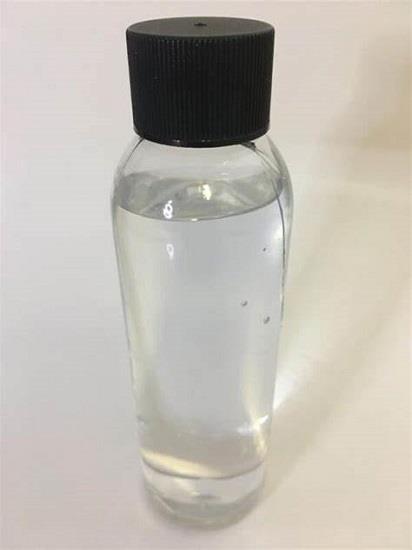
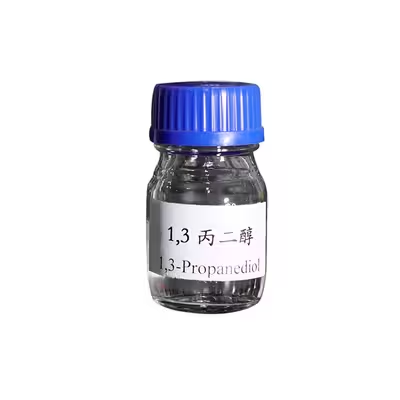
Description
1. Product Overview
1,3-Propanediol (PDO) is a high-purity, bio-derived diol engineered for high-performance polymer synthesis and industrial fluid applications. Its primary industrial use is as a monomer in the production of polytrimethylene terephthalate (PTT) fibers and engineering thermoplastics, as well as a functional ingredient in specialty coatings, coolants, and personal care formulations. The key value proposition lies in its ability to deliver superior resilience, stain resistance, and low-temperature performance compared to conventional glycols, while reducing fossil carbon dependence. Strategically, PDO is critical for manufacturers transitioning to sustainable feedstocks without compromising mechanical or thermal performance—directly aligning with global Scope 3 emission reduction targets.
2. Key Specifications & Technical Characteristics
-
Chemical composition: 1,3-Propanediol (C₃H₈O₂), ≥99.9% bio-based carbon content (ASTM D6866)
-
Purity level: Industrial Grade ≥99.8% | Polymer Grade ≥99.9% (GC area %)
-
Physical characteristics:
-
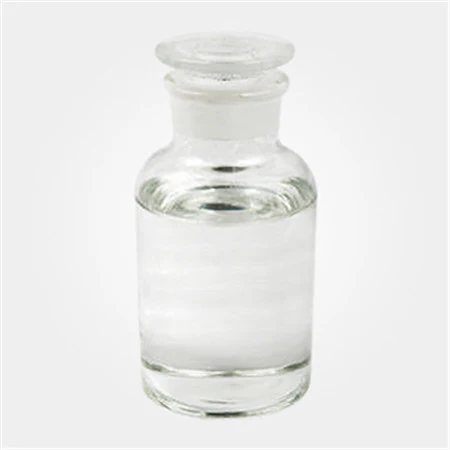
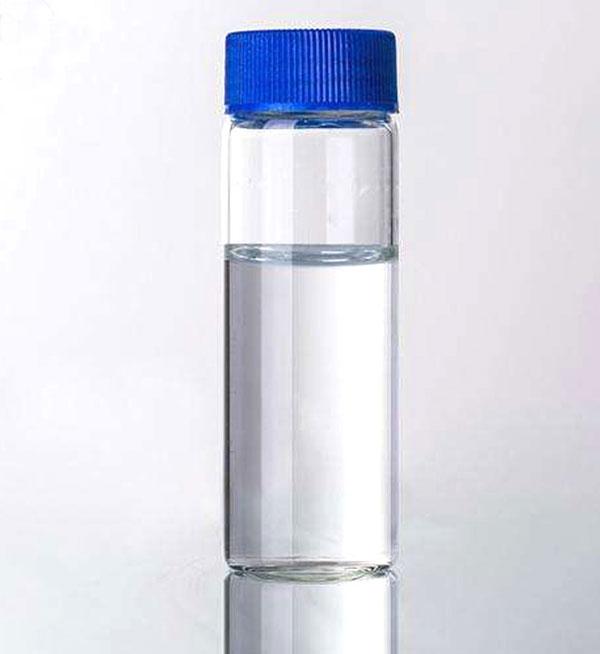
Colorless, odorless, viscous liquid
-
Density: 1.053 g/mL at 25°C
-
Boiling point: 214°C
-
Melting point: -27°C
-
Viscosity: 48 cP at 25°C
-
Water solubility: complete miscibility
-
-
Packaging options:
-
200 kg net HDPE drums (closed-head, UN certified)
-
1,000 kg IBC totes with bottom discharge valve
-
Bulk isotanks (20 MT)
-
Custom flexitanks (20 MT equivalent)
-
-
Shelf life: 24 months from date of manufacture in original sealed containers, stored between 15–40°C
3. Core Industrial Applications
-
Primary industries: Synthetic fibers & textiles (PTT production), engineering plastics, industrial coolants, adhesives & sealants, personal care intermediates.
-
Specific use cases:
-
PTT fiber manufacturing: Produces carpet fibers with superior stain resistance, elastic recovery, and soft handle vs. nylon 6,6 or PET.
-
Engineered thermoplastics: Acts as a diol chain extender in polyurethanes and copolyesters, improving hydrolytic stability and low-temperature impact resistance.
-
Industrial heat transfer fluids: Outperforms propylene glycol in freeze protection (−50°C stability) and thermal conductivity, with lower viscosity for reduced pumping energy.
-
Waterborne coatings: Enables high-solids formulations with lower VOC emissions and faster cure response.
-
-
Why better than alternatives:
-
Compared to 1,2-propanediol: higher thermal stability and lower volatility.
-
Compared to butanediol: superior flexibility in polymers and 40% lower moisture absorption.
-
Cost advantage: bio-PDO production via fermentation delivers price stability independent of propylene or butadiene markets.
-
4. Competitive Advantages
-
Quality consistency: ISO 9001:2025 certified batch-to-batch reproducibility with SPC control charts; every shipment includes CoA with 12 traceability checkpoints.
-
Supply reliability: Dual-sourced bio-based production (corn glucose / glycerol feedstock) with three redundant manufacturing sites (Americas, Asia, Europe) — guaranteed 99.5% on-time-in-full rate.
-
Logistics capability: Dedicated chemical tanker fleet and port-side warehousing at Rotterdam, Houston, and Shanghai. 48-hour dispatch for drum/IBC orders; 7-day lead time for bulk isotanks.
-
Price competitiveness: Fixed quarterly pricing contracts available for volumes ≥100 MT/month, with downward price adjustment clauses tied to feedstock indexes.
-
Sustainability: 100% renewable carbon (ASTM D6866); reduces CO₂ footprint by 52% vs. petroleum-based propanediol. Available with ISCC PLUS mass-balance certification.
-
Technical support: Free process simulation support, stability studies, and formulation optimization by in-house PhD chemists. Full REACH, TSCA, and K-REACH documentation provided.
5. Commercial & Supply Information
-
Minimum order quantity (MOQ):
-
1 IBC tote (1,000 kg) for spot orders
-
20 MT for contract pricing eligibility
-
-
Bulk 20 MT loading capacity:
-
Isotank: 20 MT net (20,000 kg) per 24,000 L tank
-
Flexitank (20-ft container): 20 MT net (20,000 kg)
-
Drums on pallets: 18 MT per 20-ft container (90 drums × 200 kg)
-
IBC totes: 20 MT per 20-ft container (20 totes × 1,000 kg)
-



Reviews
There are no reviews yet.