
Description
1. Product Overview
2-Ethylhexyl nitrate (2-EHN) is a high-performance cetane improver specifically formulated to enhance the combustion characteristics of diesel fuels. Its primary industrial application is as a fuel additive in refining and downstream fuel blending operations, where it significantly reduces ignition delay. The key value proposition is the ability to upgrade lower-cetane fuel streams to meet stringent global specifications (e.g., EN 590, ASTM D975) at minimal treat rates. Strategically, 2-EHN is critical for refiners seeking to maximize diesel yield from marginal feedstocks while complying with tightening emissions regulations, thereby directly improving margin per barrel.
2. Key Specifications & Technical Characteristics
-
Chemical composition: 2-Ethylhexyl nitrate (C₈H₁₇NO₃); nitrate ester functional group
-
Purity level: ≥ 99.0% (standard industrial grade); premium grade ≥ 99.5% available
-
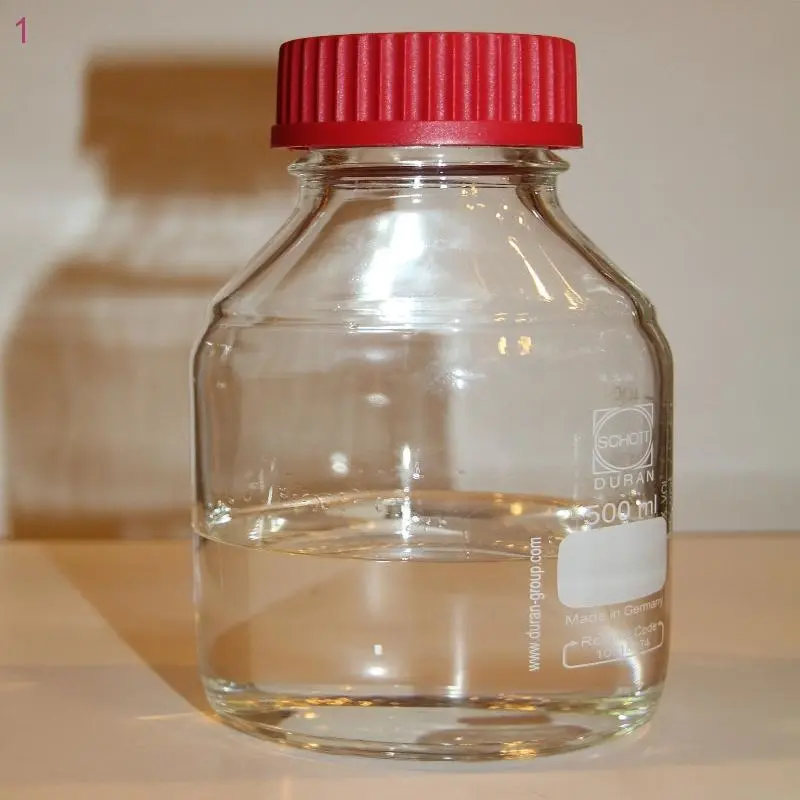
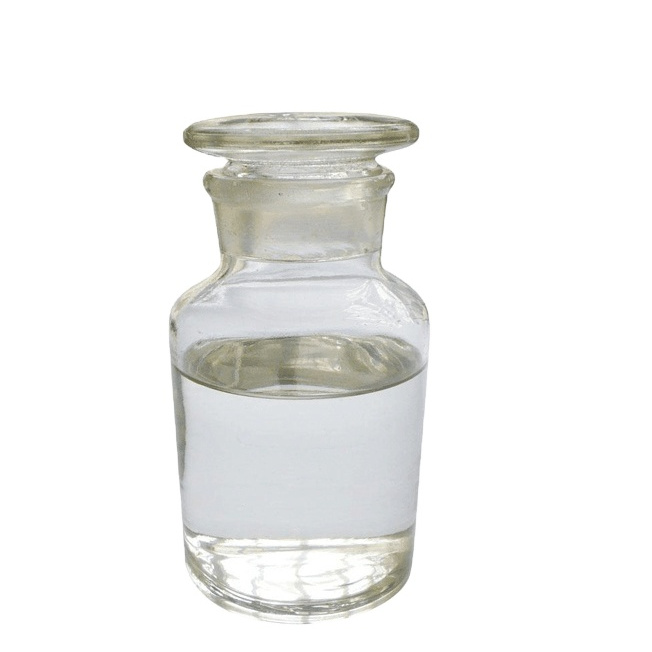
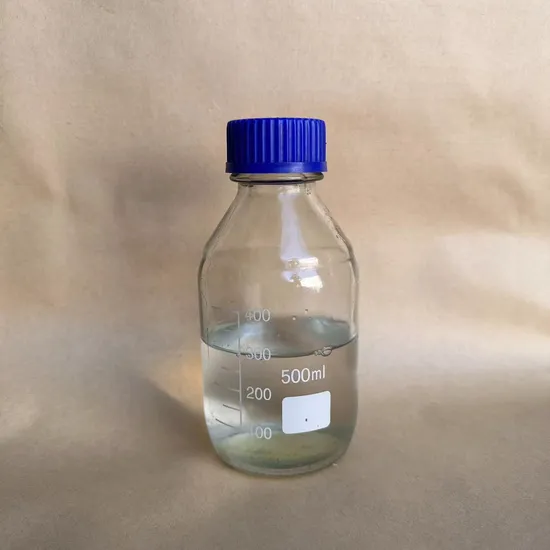
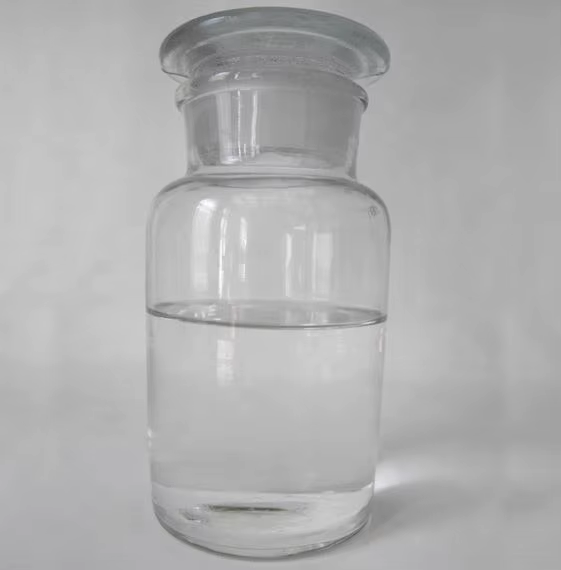
Physical form & appearance: Clear, colorless to pale yellow liquid
-
Density (at 20°C): 0.96 – 0.98 g/cm³
-
Viscosity (at 20°C): Approx. 1.5 – 2.0 cSt
-
Flash point: > 70°C (closed cup) – compliant with non-hazardous transport classification in many jurisdictions
-
Packaging options:
-
200 kg net steel drums
-
1,000 kg IBC totes
-
Bulk ISO tank containers (20MT)
-
Flexitanks (upon request)
-
-
Shelf life: 24 months when stored in original sealed containers, away from direct heat, ignition sources, and strong oxidizers
3. Core Industrial Applications
-
Primary industries: Petroleum refining, diesel fuel blending, marine fuel production, power generation fuels
-
Operational use cases:
-
Upgrading straight-run diesel, light cycle oil (LCO), or kerosene blends to meet cetane number (CN) requirements
-
Restoring cetane loss in ultra-low sulfur diesel (ULSD) production
-
Enabling higher incorporation of renewable diesel or bio-components without sacrificing ignition quality
-
-
Performance advantage over alternatives:
-
More effective per unit mass than alkyl nitrates (e.g., amyl nitrate), requiring 30–50% lower treat rates
-
Superior thermal stability compared to organic peroxides
-
Minimal impact on diesel cold-flow properties or lubricity
-
-
Cost advantage: Low ppm-level treat rates (typically 50–500 ppm) deliver CN uplift of 1–6 points, representing lowest $/cetane-point cost in the market
4. Competitive Advantages
-
Quality consistency: ISO 9001:2025-certified manufacturing with batch-to-batch purity variation < 0.2%; SGS/Intertek test reports available per shipment
-
Supply reliability: Redundant production lines across three continents; 98.5% on-time-in-full (OTIF) performance over 36 months
-
Logistics capability: Dedicated hazardous chemical logistics network with real-time tracking; 24/7 dispatch from regional hubs (Rotterdam, Houston, Singapore, Jebel Ali)
-
Price competitiveness: Long-term take-or-pay agreements with upstream nitrate feedstock suppliers – stable quarterly pricing with volume escalators
-
Sustainability & EHS: Product yields measurable CO₂ reduction via improved combustion efficiency (~2–4% lower fuel consumption per kWh); REACH, TSCA, and China MEE compliant
-
Technical support: Full combustion modeling support, treat-rate optimization studies, and on-site blending audits provided by in-house chemical engineers
5. Commercial & Supply Information
-
Minimum Order Quantity (MOQ):
-
20 MT (bulk, one ISO tank container)
-
16 MT (palletized drums – 80 x 200 kg drums)
-
-
Bulk loading capacity (MT per container):
-
20-foot ISO tank container: 20 – 22 MT (net weight, depending on tank cert)
-
40-foot container (flexitank): 20 MT (net) – limited availability
-
-
Lead time: 14 days from confirmed LC/advance payment (ex-works regional hub)
-
Incoterms offered: EXW, FOB, CIF, CFR – buyer nomination
-
Payment terms: LC at sight (irrevocable, confirmed) or TT advance for first purchase; negotiable for qualified counterparties (e.g., 30% advance, 70% against B/L copy)


Reviews
There are no reviews yet.