

Description
- Product Overview
Alkylphenol Ethoxylates (APEOs) are a class of non-ionic surfactants widely used across industrial formulations for their excellent emulsifying, wetting, and dispersing properties. They are primarily utilized in detergents, textile processing, agrochemical formulations, oilfield chemicals, and industrial cleaning systems. The key value proposition lies in their high performance-to-cost efficiency and strong chemical stability across diverse operating conditions. In global industrial supply chains, APEOs remain strategically important as reliable, high-functionality surfactant intermediates for complex formulation systems. - Key Specifications & Technical Characteristics
- Chemical Composition: Alkylphenol ethoxylates (commonly nonylphenol ethoxylate / octylphenol ethoxylate variants)
- Ethoxylation Degree: Typically 4–20 EO units (customizable grades available)
- Purity/Grade: Industrial grade (≥ 99% active content typical specification range)
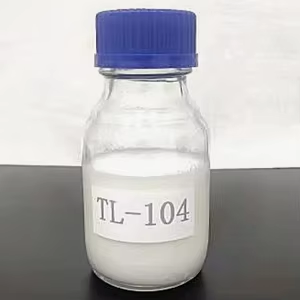
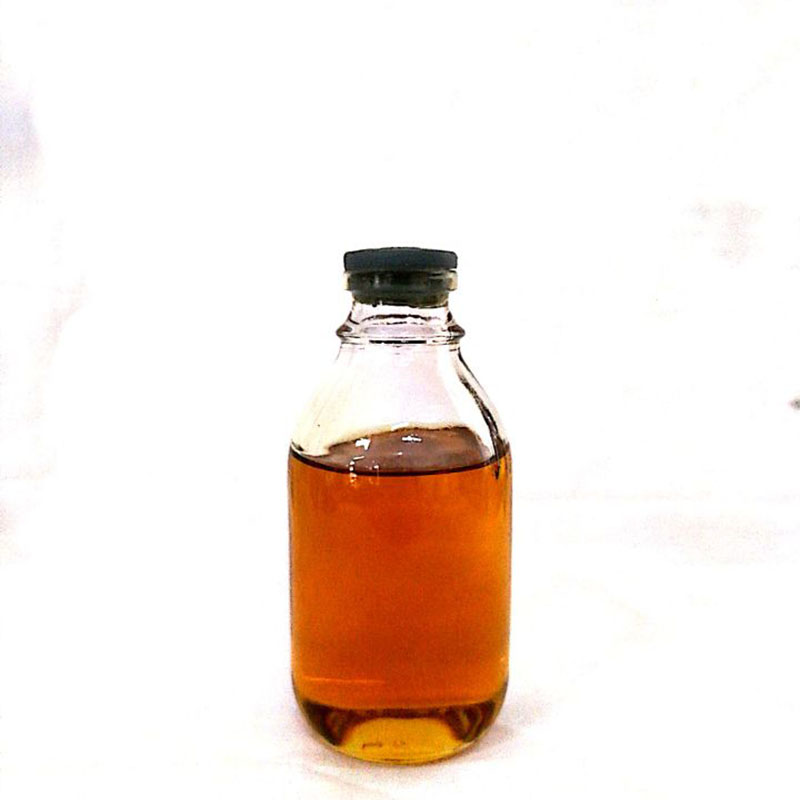
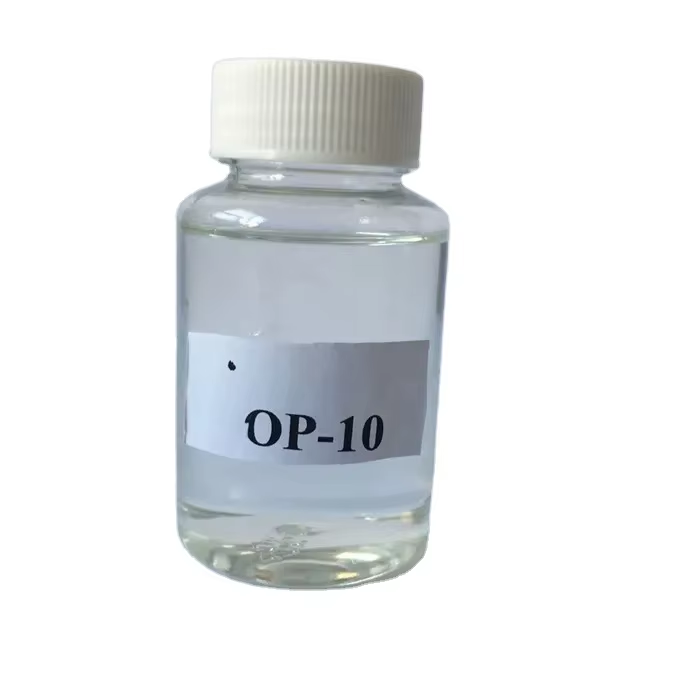
- Physical Form: Viscous liquid or semi-paste
- Color: Pale yellow to light amber
- Solubility: Dispersible in water; soluble in most organic solvents
- Density: Approx. 1.02–1.06 g/cm³ (varies by EO chain length)
- Packaging Options: 200 kg steel drums, 1000 L IBC tanks, bulk ISO tankers
- Shelf Life: 12–24 months under recommended storage conditions
- Core Industrial Applications
Alkylphenol Ethoxylates are extensively used in:
- Detergent and cleaning industries as high-efficiency non-ionic surfactants
- Textile processing for scouring, wetting, and dye leveling applications
- Oil & gas sector for enhanced oil recovery and drilling fluid formulations
- Agrochemical industry as emulsifiers and formulation stabilizers
- Industrial manufacturing for metal cleaning, degreasing, and emulsification processes
They deliver superior emulsification efficiency, thermal stability, and formulation flexibility compared to many conventional surfactants, enabling optimized process performance and reduced formulation complexity.
- Competitive Advantages
- Consistent product quality with tight specification control across batches
- Reliable large-scale supply capability for continuous industrial demand
- Optimized logistics network for global bulk chemical distribution
- Cost-effective performance compared to specialty surfactant alternatives
- Customizable ethoxylation levels for application-specific performance tuning
- Strong technical documentation and formulation support for industrial buyers
- Commercial & Supply Information
- Minimum Order Quantity (MOQ): BULK 20MT
- Loading Capacity:
- Approx. 16–18 MT per 20ft container (drummed cargo)
- Approx. 20–21 MT per ISO tank container (bulk liquid configuration)



Reviews
There are no reviews yet.