


Description
- Product Overview
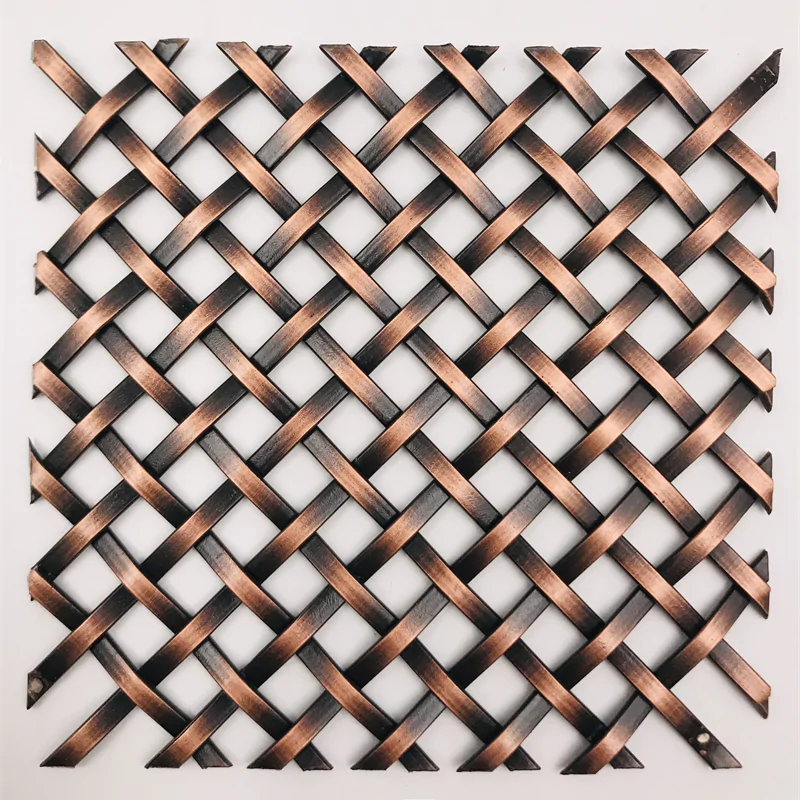
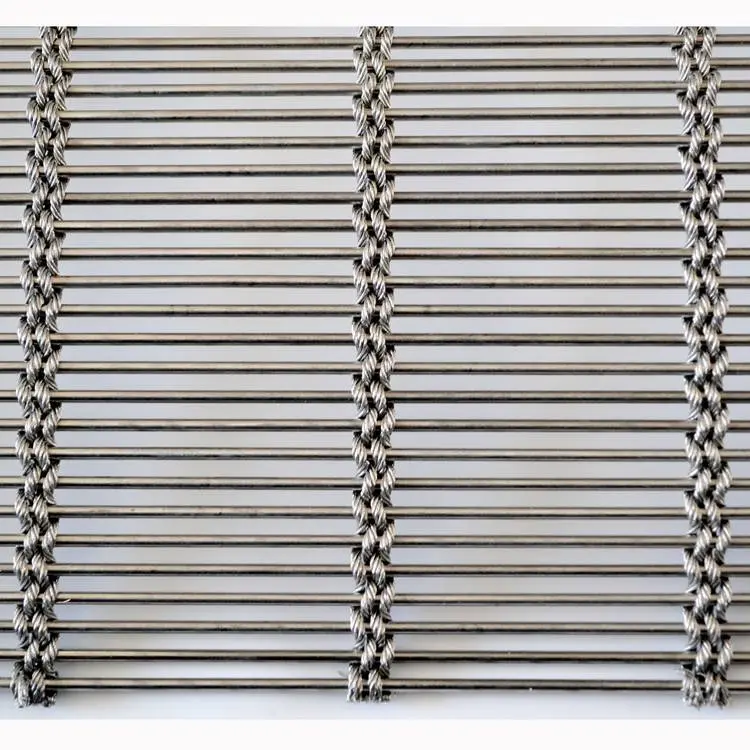
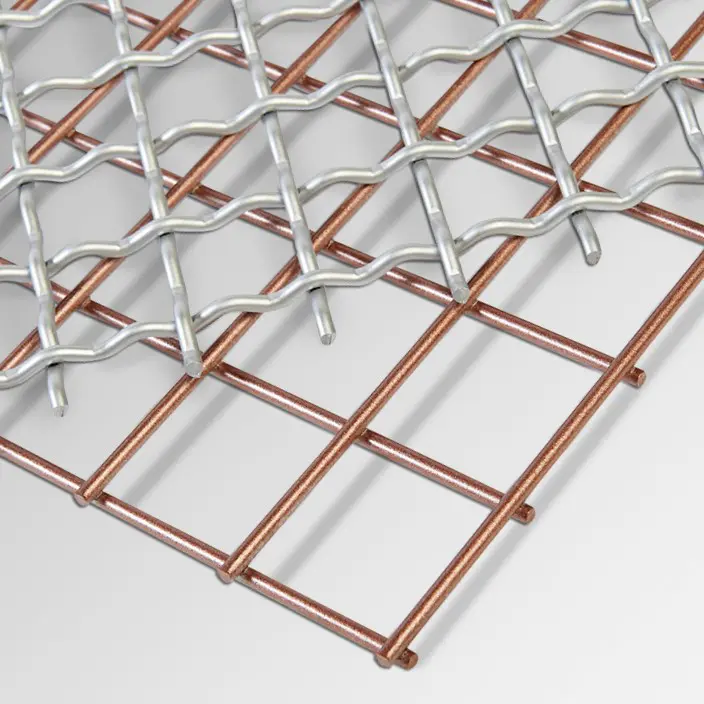
Architectural Wire Mesh Panels are precision-engineered metal mesh systems designed for modern architectural, interior, and façade applications. They are widely used in commercial buildings, infrastructure projects, and high-end design environments to deliver both functional performance and aesthetic enhancement. The key value proposition lies in their ability to combine structural durability with design flexibility, enabling ventilation, light diffusion, safety, and visual appeal in a single material solution. Strategically, these panels are increasingly critical in sustainable and contemporary architecture, where demand for lightweight, recyclable, and visually dynamic materials continues to accelerate globally. - Key Specifications & Technical Characteristics
- Material Composition: Stainless Steel (SS304, SS316), Aluminum Alloy, Brass, Copper, or customized architectural-grade metals
- Surface Finish: Polished, anodized, coated, PVDF-treated, or natural metallic finish
- Wire Diameter: Typically 0.5 mm – 5.0 mm (customizable)
- Aperture Size: 1 mm – 50 mm (varies by design requirement)
- Panel Thickness: 2 mm – 10 mm depending on structural specification
- Density: Engineered based on mesh pattern and metal type
- Corrosion Resistance: High (especially SS316 for marine/coastal environments)
- Form: Rolls, flat panels, or pre-framed architectural modules
- Color Options: Natural metallic, blackened, bronze, gold, or custom RAL finishes
- Packaging: Protective wooden crates, reinforced export cartons, or steel-frame bundling
- Shelf Life: Indefinite under dry, controlled storage conditions
- Core Industrial Applications
Architectural Wire Mesh Panels are extensively used across construction, design, and industrial sectors. Primary applications include building façades, sun shading systems, interior partitions, ceiling systems, balustrades, and decorative wall cladding. They are also utilized in airports, commercial complexes, hotels, museums, and retail environments where aesthetics and functionality must coexist. The product outperforms traditional cladding materials by offering superior ventilation, reduced structural load, enhanced safety, and long-term corrosion resistance. Its adaptability enables architects to achieve complex design geometries while maintaining cost efficiency and installation simplicity. - Competitive Advantages
- Superior material consistency ensuring uniform mesh geometry and structural integrity
- High corrosion and weather resistance suitable for harsh industrial and coastal environments
- Flexible customization in pattern, aperture, and finish for architectural precision
- Reliable large-scale production capacity supporting global infrastructure projects
- Efficient logistics and export packaging optimized for damage-free international shipping
- Competitive lifecycle cost due to durability and minimal maintenance requirements
- Sustainable material profile with high recyclability and reduced environmental footprint
- Comprehensive technical documentation and engineering support for project integration
- Commercial & Supply Information
- Minimum Order Quantity (MOQ): BULK 20 MT
- Loading Capacity: Approximately 20–25 MT per 20FT container (depending on panel configuration and packaging type)


Reviews
There are no reviews yet.