

Description
1. Product Overview
Coors Light is a light lager beer produced through a controlled brewing and cold-lagering process designed to deliver a clean, crisp, and highly refreshing taste profile. While primarily developed for the global beverage and hospitality market, its industrial relevance lies in large-scale food & beverage distribution, retail supply chains, and hospitality service operations requiring consistent, high-volume alcoholic beverage supply. Its key value proposition is its dependable flavor consistency, mass-market acceptance, and strong brand recognition within the premium light beer segment. Strategically, Coors Light holds significant market importance due to its scalable production model and strong positioning in the global light beer category, driving high turnover in beverage distribution networks.
2. Key Specifications & Technical Characteristics
- Category: Light Lager Beer
- Primary Components: Water, barley malt, corn syrup (fermentable sugars), hops, yeast
- Alcohol by Volume (ABV): ~4.2%
- Color: Pale straw yellow
- Physical Characteristics: Clear liquid, low viscosity, light-bodied texture
- Carbonation: Medium to high effervescence
- Packaging Options:
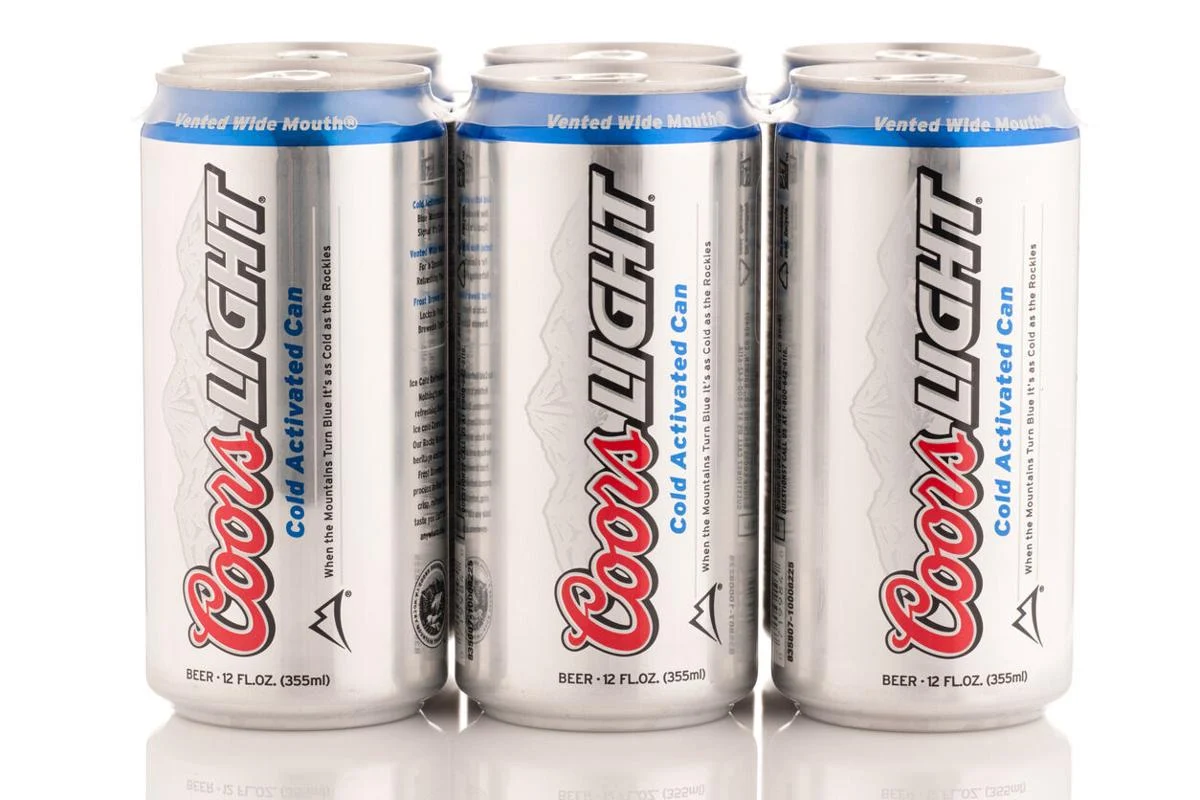
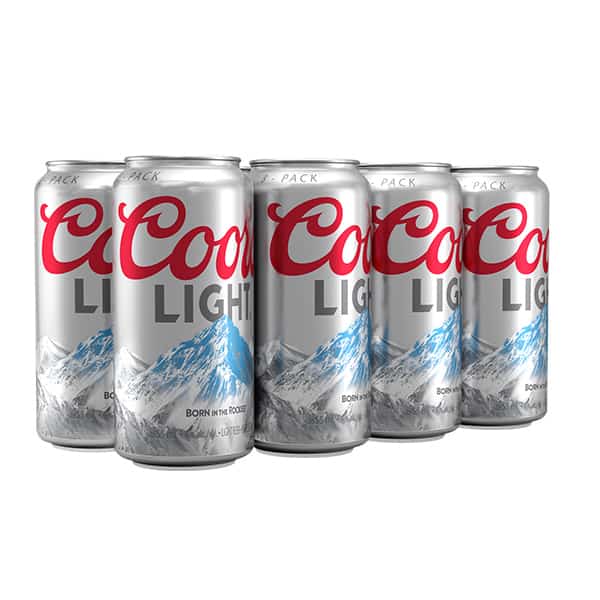
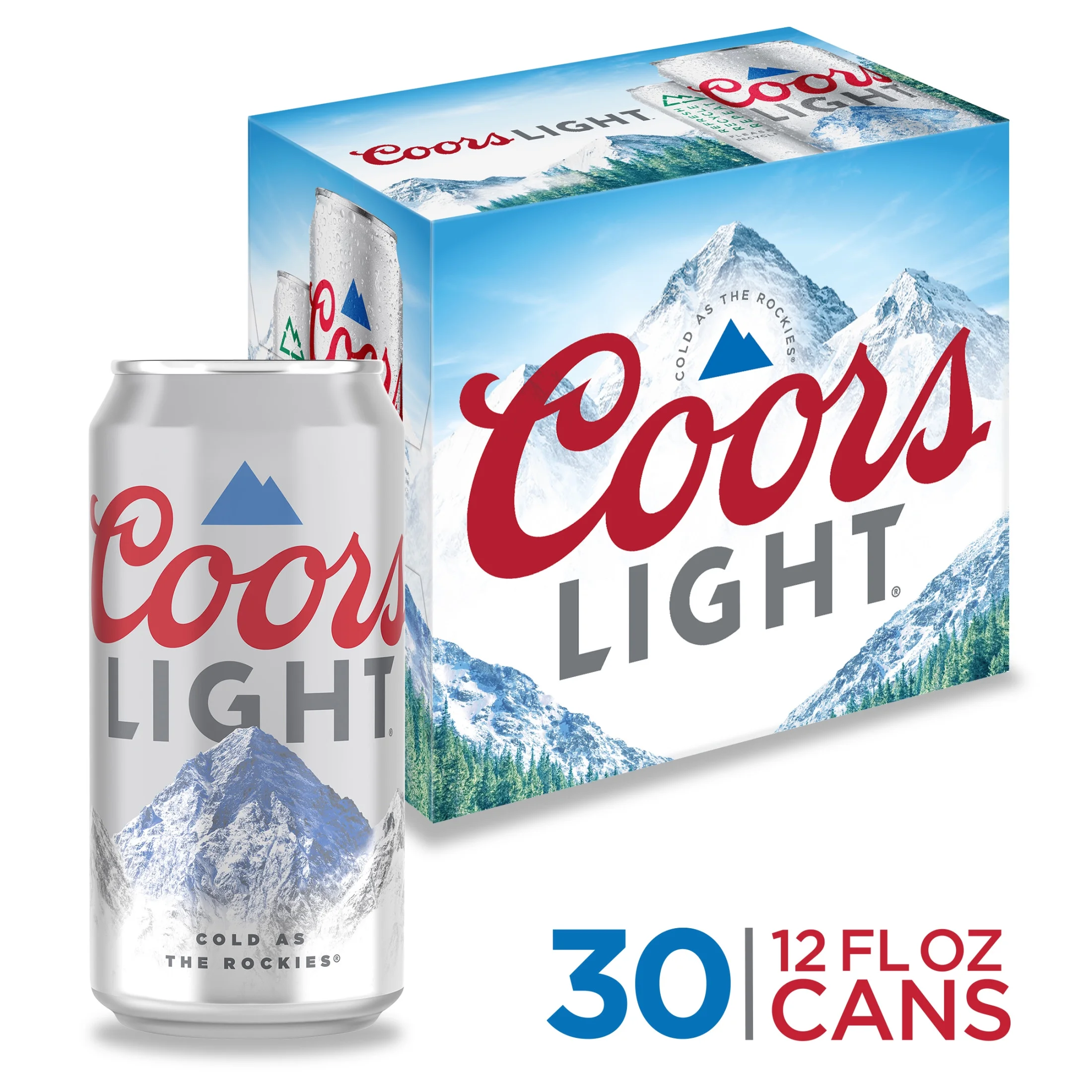
- Aluminum cans (various sizes)
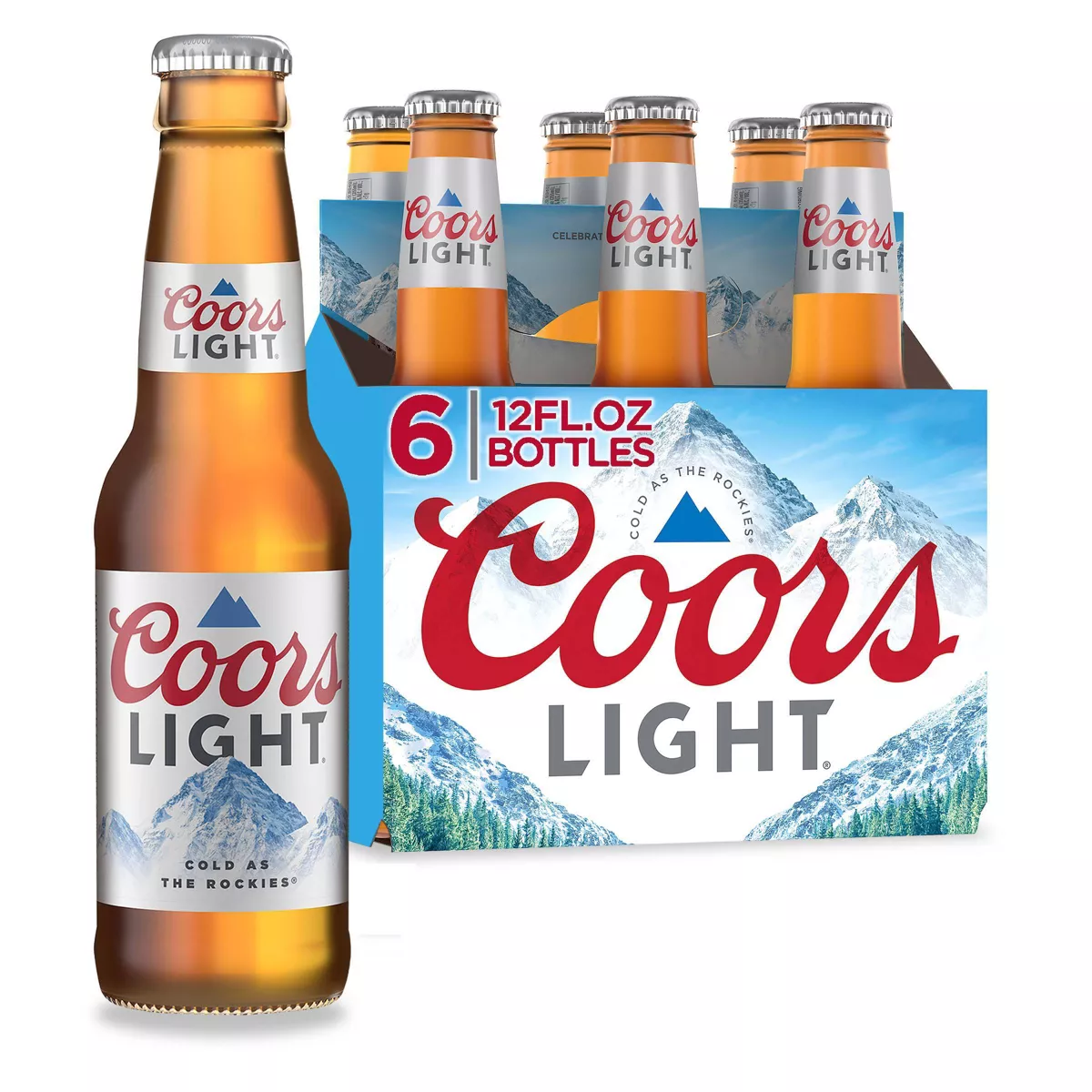
- Glass bottles (select markets)
- Kegs (draft distribution formats)
- Shelf Life: Typically 6–9 months (unopened, refrigerated storage recommended)
- Storage Conditions: Cool, dry environment away from direct sunlight
3. Core Industrial Applications
- Primary Industries:
- Hospitality (bars, restaurants, hotels)
- Retail beverage distribution
- Event management and large-scale catering
- Operational Use Cases:
- On-premise beverage service (draft and bottled/canned serving)
- Large-scale event beverage provisioning
- Retail shelf distribution for mass consumer consumption
- Performance Advantages:
Coors Light is engineered for high-volume turnover environments where consistency, rapid service, and broad consumer acceptance are critical. Compared to heavier or craft alternatives, it offers faster inventory movement, lower flavor complexity (reducing consumer variability risk), and optimized production scalability, making it highly efficient for distributors and hospitality operators.
4. Competitive Advantages
- Quality Consistency: Standardized brewing process ensures uniform taste across batches and regions
- Supply Reliability: Large-scale global production and established distribution networks
- Logistics Capability: Efficient packaging formats optimized for palletization and cold-chain distribution
- Price Competitiveness: Positioned for high-volume, cost-effective market penetration
- Sustainability Initiatives: Increasing use of recyclable aluminum packaging and water-efficient brewing practices
- Technical Support & Documentation: Strong supplier infrastructure supporting distribution, compliance, and product handling guidelines
5. Commercial & Supply Information
- Minimum Order Quantity (MOQ): BULK 20 MT (standardized distribution pallets or container loads)
- Loading Capacity:
- Approximately 20–24 MT per 20-ft container (depending on packaging configuration)
- Supply Model: Bulk wholesale distribution through authorized beverage supply channels
- Delivery Format: Refrigerated or ambient-shipped cases, pallets, or keg systems depending on market requirements



Reviews
There are no reviews yet.