


Description
1. Product Overview
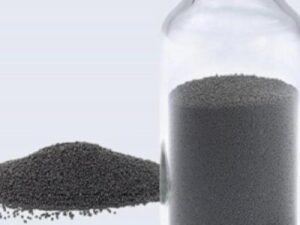
Carbon-Based Adsorbents are high-surface-area materials derived from premium-grade coal, coconut shell, or lignocellulosic precursors, thermally or chemically activated to maximize microporosity. They are primarily used for removing organic compounds, volatile organic carbons (VOCs), chlorine, odors, and heavy metal complexes from industrial gaseous or liquid streams. The key value proposition is superior adsorption capacity (up to 1,200 mg/g iodine number) combined with low pressure drop and high mechanical hardness. Strategically, these adsorbents are critical as industries face tightening effluent and emission regulations, making them a non-negotiable component for compliance and operational efficiency.
2. Key Specifications & Technical Characteristics
-
Chemical composition: Amorphous carbon (≥90% fixed carbon), minor ash content (≤8% typical)
-
Purity level: 95%–99.5% carbon purity; free of leachable heavy metals (ICP-MS certified)
-
Physical characteristics:
-
Form: Granular (GAC), extruded (EAC), or powdered (PAC)
-
Color: Matte black
-
Particle size: 4×8, 6×12, 8×16, 12×40 mesh (ASTM)
-
Apparent density: 0.45–0.55 g/cc
-
Iodine number: 800–1,200 mg/g
-
Hardness: ≥95% (ball-pan method)
-
-
Packaging options: 25 kg multi-wall paper bags, 500 kg big bags, or 20 MT bulk tanker
-
Shelf life: 3 years in sealed, dry, non-UV environment
3. Core Industrial Applications
-
Primary industries: Municipal water treatment, industrial wastewater, petrochemicals, pharmaceuticals, food & beverage, gold recovery, and air pollution control
-
Operational use cases:
-
Removal of PFAS, pesticides, and microplastics from drinking water
-
Capture of mercury and dioxins from flue gas
-
Decolorization of syrups, oils, and APIs
-
Solvent recovery in closed-loop systems
-
-
Performance advantage: Higher micropore volume (0.8–1.2 cc/g) reduces replacement frequency by 30–40% compared to standard activated carbons, lowering annual media spend.
-
Efficiency/cost benefit: Lower pressure drop reduces blower/pumping energy by up to 15% in continuous systems.
4. Competitive Advantages
-
Quality consistency: Every batch tested via BET, Langmuir surface area, and particle size distribution; COA provided digitally.
-
Supply reliability: Multiple feedstock sources (coconut, coal, wood) with safety stock in three regional hubs (NA, EU, APAC).
-
Logistics capability: 72-hour dispatch for LCL/FCL; dedicated hazmat-certified freight partners.
-
Price competitiveness: Direct sourcing from activation kilns removes 2–3 intermediary margins.
-
Sustainability: 100% biogenic CO₂ (coconut-based grades); reactivation service available to extend life.
-
Technical support: On-site adsorption system design assistance and spent carbon disposal guidance.
5. Commercial & Supply Information
-
Minimum Order Quantity (MOQ): 20 MT (bulk)
-
Loading capacity per container:
-
20 FT dry container: 20 MT (palletized or bulk bags)
-
40 FT HC container: 25 MT max (subject to bag density)
-



Reviews
There are no reviews yet.