


Description
1. Product Overview
Enzyme-Based Auxiliary Agents are advanced biochemical formulations designed to enhance process efficiency across multiple industrial applications, particularly in textiles, detergents, food processing, and biotechnology. These agents utilize highly specific enzymatic reactions to replace or reduce conventional chemical inputs, enabling cleaner, faster, and more sustainable operations. Their primary value lies in improving process precision, reducing energy and water consumption, and minimizing environmental impact. As industries shift toward greener production models and regulatory compliance, enzyme-based auxiliaries have become strategically essential for optimizing performance while meeting sustainability targets.
2. Key Specifications & Technical Characteristics
- Composition: Blend of specialized enzymes (e.g., amylases, cellulases, proteases, lipases) with stabilizers and carriers
- Purity/Grade: Industrial-grade, high-activity enzyme concentration (customizable based on application)
- Form: Liquid or powder
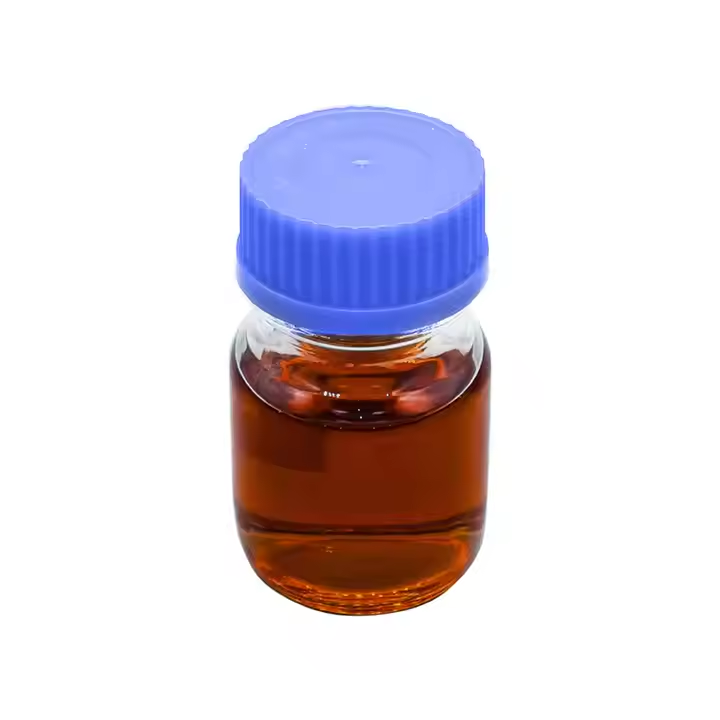
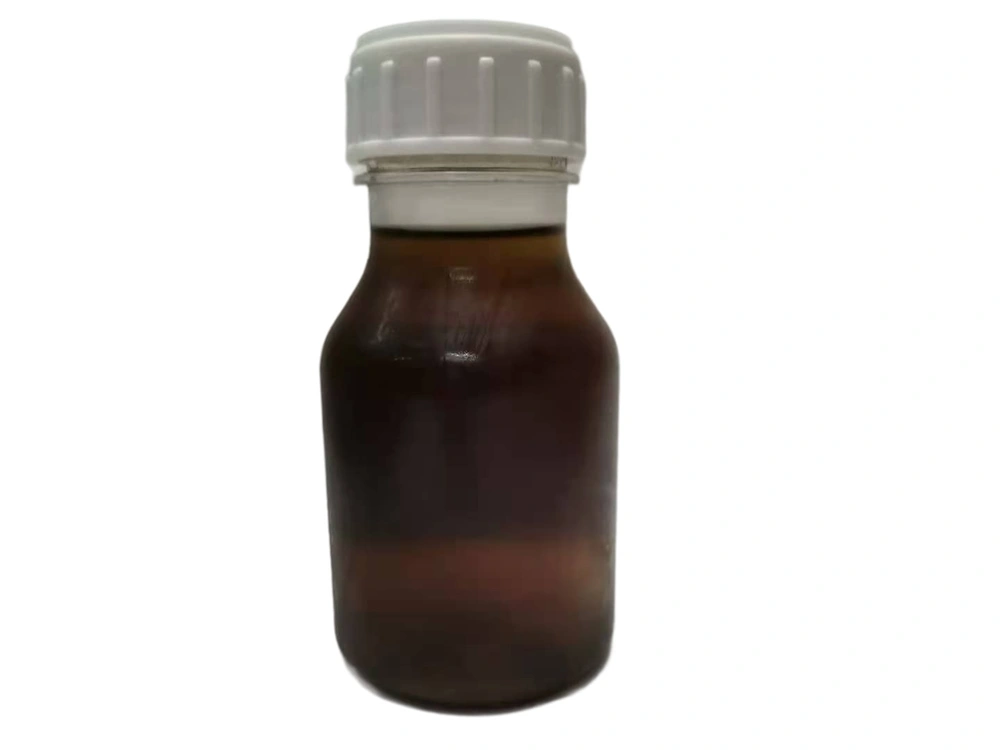
- Color: Light amber (liquid) / off-white to beige (powder)
- pH Stability Range: Typically 4.5 – 9.5 (application dependent)
- Temperature Stability: Effective within 30°C – 70°C (varies by enzyme type)
- Solubility: Fully water-soluble
- Density: ~1.05–1.25 g/cm³ (liquid form)
- Packaging Options:
- 25 kg HDPE drums
- 200 kg drums
- 1,000 kg IBC containers
- Customized bulk packaging available
- Shelf Life: 6–12 months under recommended storage conditions (cool, dry environment)
3. Core Industrial Applications
- Textile Industry:
Used for desizing, bio-polishing, and fabric finishing to improve softness, brightness, and surface quality while reducing fiber damage. - Detergent Manufacturing:
Enhances stain removal efficiency at lower temperatures, reducing energy consumption and improving cleaning performance. - Food & Beverage Processing:
Applied in starch conversion, juice clarification, and protein hydrolysis to increase yield and improve product quality. - Pulp & Paper Industry:
Facilitates bleaching, deinking, and fiber modification processes, lowering chemical usage and improving pulp quality. - Why It Outperforms Alternatives:
- Target-specific catalytic action ensures higher efficiency than traditional chemicals
- Reduces processing time and operational costs
- Minimizes environmental impact through biodegradable components
- Enables lower-temperature processing, saving energy and extending equipment life
4. Competitive Advantages
- Quality Consistency: Controlled fermentation and formulation processes ensure uniform enzyme activity across batches
- Supply Reliability: Scalable production capacity with stable raw material sourcing
- Logistics Capability: Flexible global shipping options with bulk and customized packaging solutions
- Price Competitiveness: Reduced total cost of ownership through improved efficiency and lower resource consumption
- Sustainability: Biodegradable, eco-friendly alternative to harsh chemicals, supporting ESG and regulatory compliance goals
- Technical Support: Comprehensive documentation, application guidance, and formulation support available for industrial integration
5. Commercial & Supply Information
- Minimum Order Quantity (MOQ): BULK 20 MT
- Loading Capacity: 20–24 MT per 20-ft container (depending on packaging format)


Reviews
There are no reviews yet.