
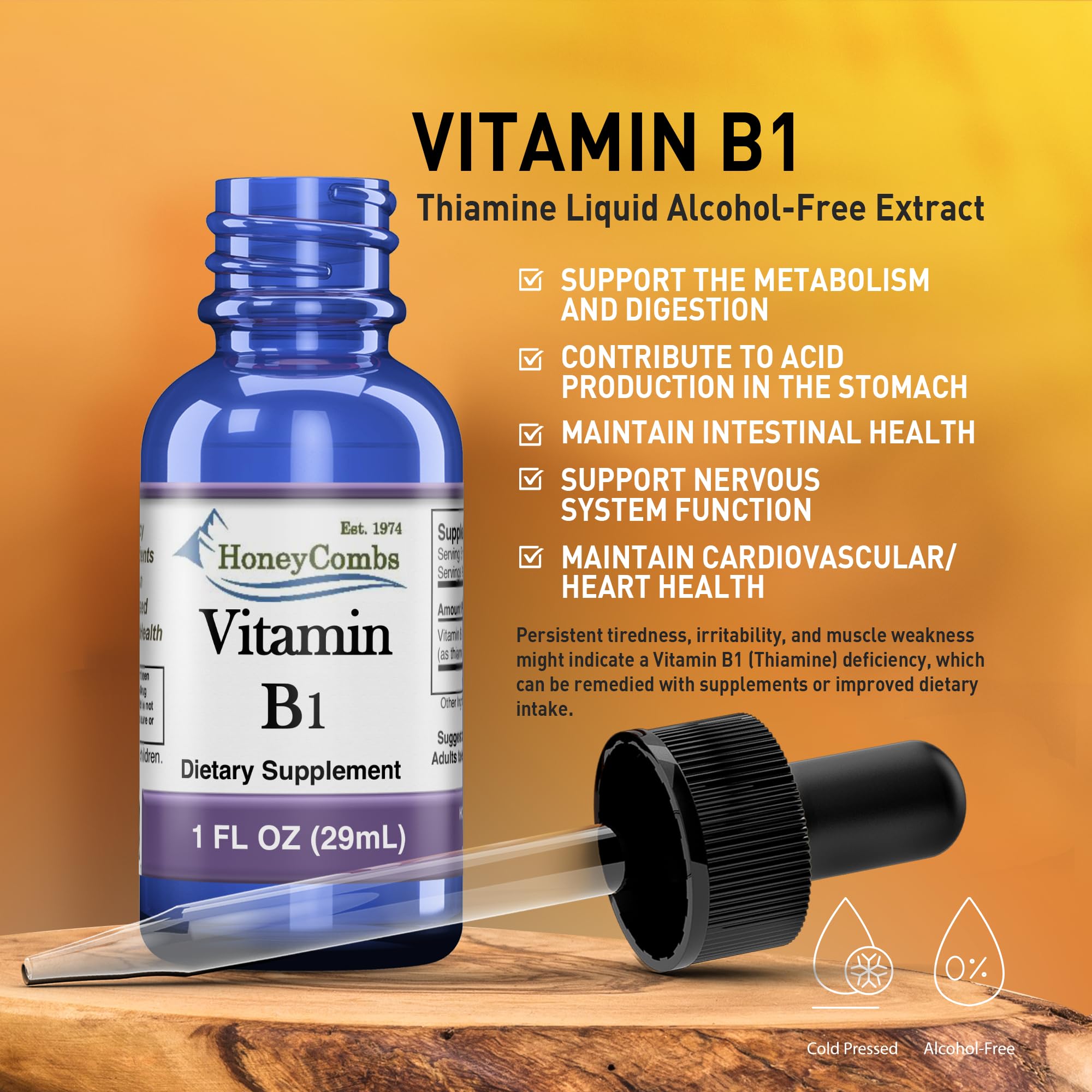
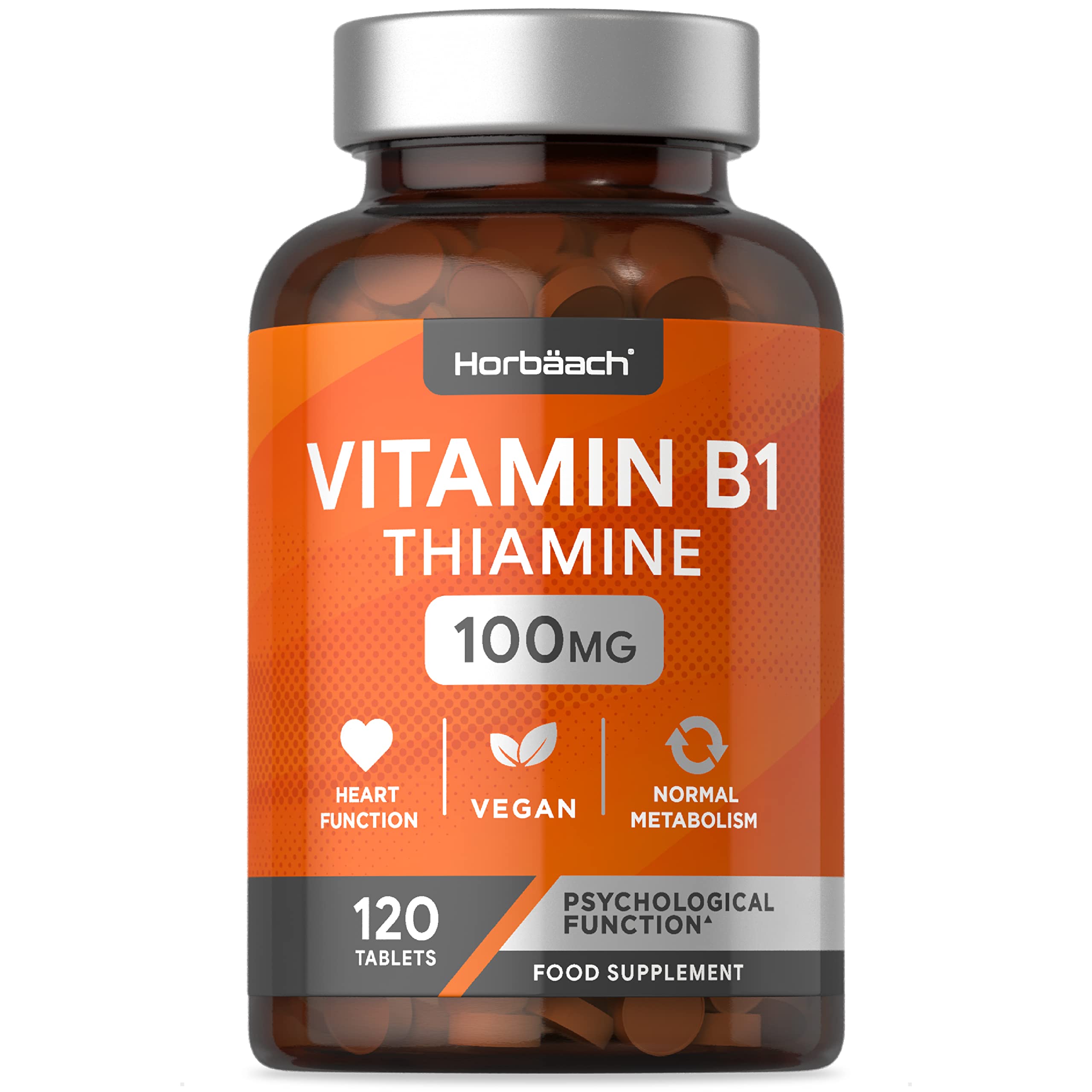
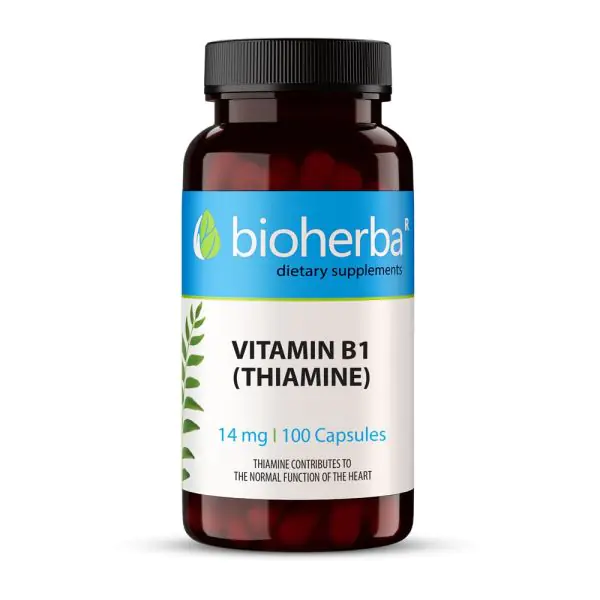
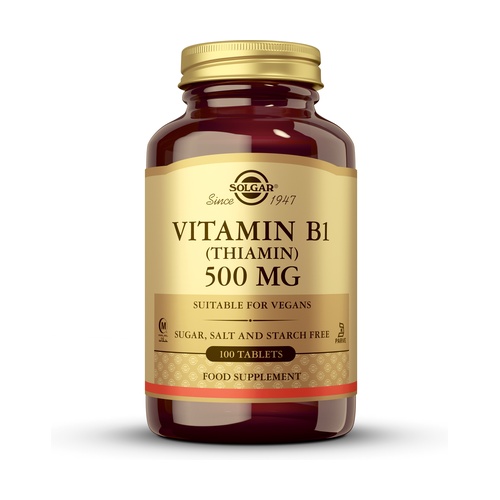
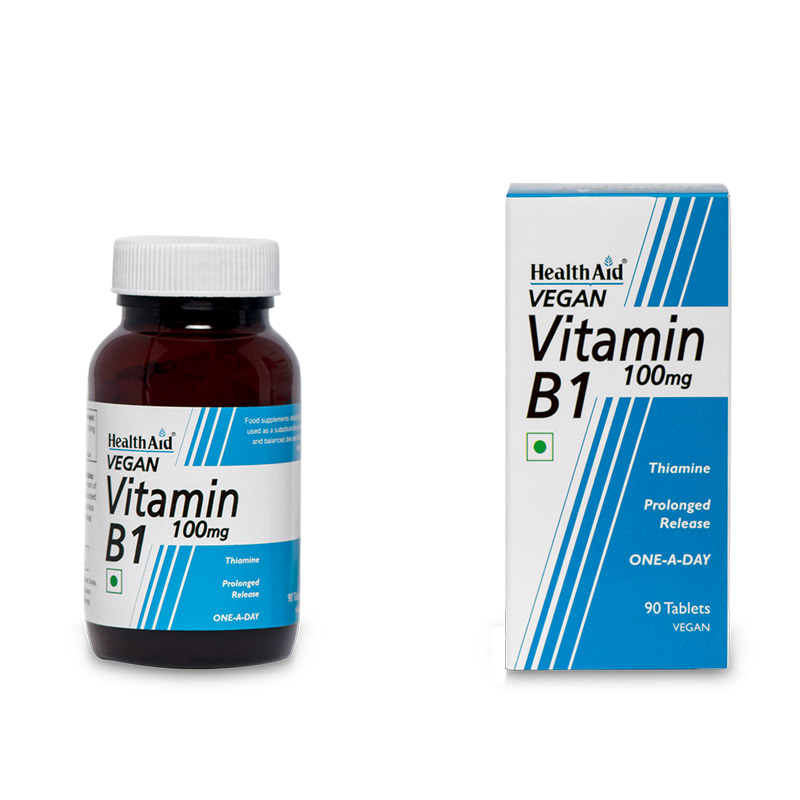
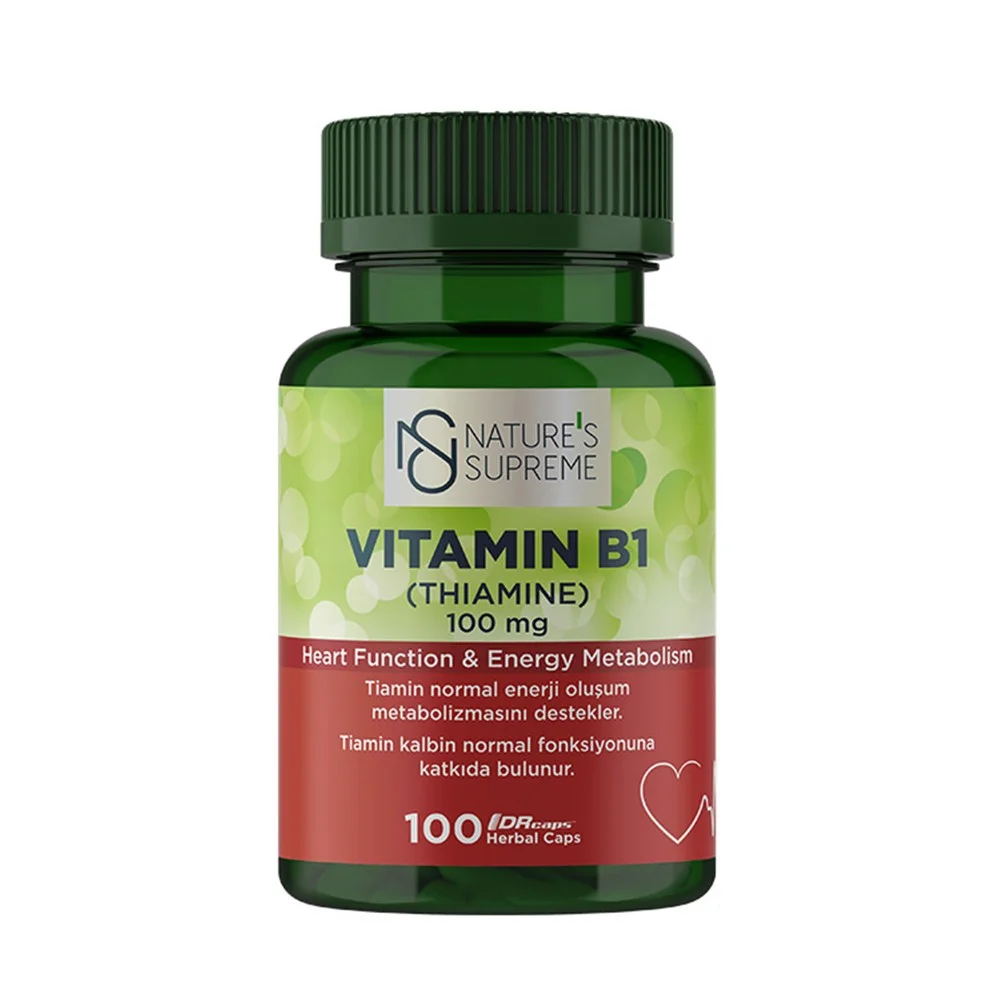
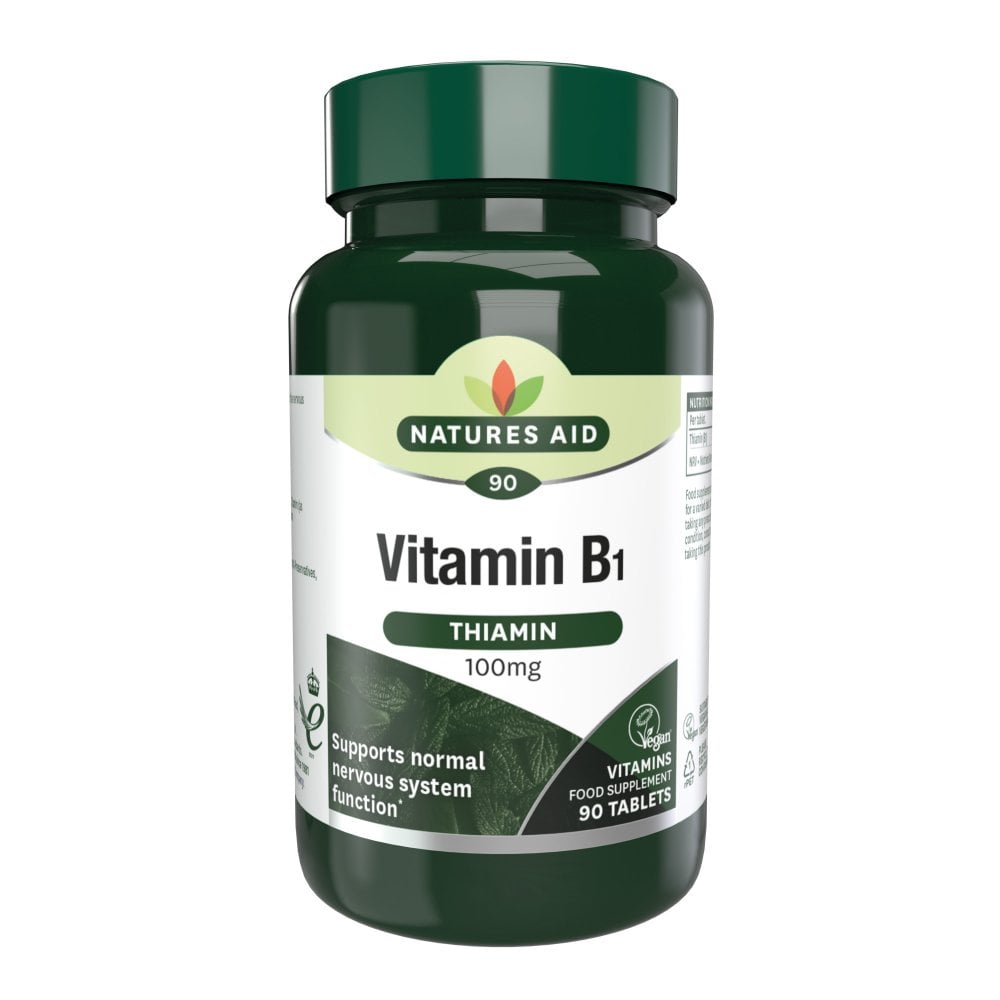
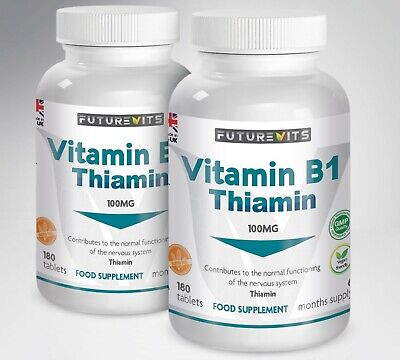
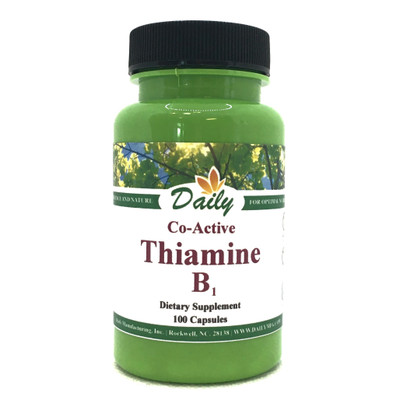
Thiamine (Vitamin B1)

£63.00

Thiamine (Vitamin B1): Benefits, Prescription, Nutritional Information, and Ingredients

Introduction

In the realm of vitamins, thiamine, also known as Vitamin B1, plays a crucial role in maintaining overall health and well-being. From boosting energy levels to supporting nerve function, this essential nutrient is a powerhouse when it comes to promoting optimal bodily functions. In this article, we will delve into the various benefits of thiamine, how it can be prescribed by healthcare professionals, its nutritional information, and the key ingredients that make up this vital vitamin.

Thiamine (Vitamin B1) Benefits

Thiamine is essential for converting carbohydrates into energy, making it a key player in metabolism. It also aids in the proper functioning of the nervous system, promoting healthy nerve cells and cognitive function. Additionally, thiamine helps in the production of red blood cells, which are crucial for oxygen transport throughout the body. Furthermore, thiamine has antioxidant properties, which help protect cells from damage caused by free radicals.

How can thiamine benefit your health?

  • Boosts energy levels
  • Supports nerve function
  • Promotes cognitive function
  • Aids in red blood cell production
  • Acts as an antioxidant

Thiamine Prescription

In some cases, healthcare professionals may prescribe thiamine supplements to individuals who have a deficiency in this vitamin. Thiamine deficiency can lead to conditions such as beriberi or Wernicke-Korsakoff syndrome, which can have serious consequences if left untreated. It is important to follow the prescribed dosage and instructions provided by your healthcare provider to ensure optimal results.

When is thiamine prescribed?

  • Thiamine deficiency
  • Beriberi
  • Wernicke-Korsakoff syndrome

Nutritional Information

Thiamine can be found in a variety of foods, including whole grains, legumes, nuts, and lean meats. The recommended daily intake of thiamine for adults is approximately 1.1 to 1.2 mg for males and 0.8 to 1.1 mg for females. It is important to consume a balanced diet that includes thiamine-rich foods to maintain adequate levels of this essential vitamin.

Thiamine-rich foods

  1. Whole grains (such as brown rice and oats)
  2. Legumes (such as lentils and beans)
  3. Nuts (such as almonds and sunflower seeds)
  4. Lean meats (such as pork and poultry)

Ingredients

Thiamine is a water-soluble vitamin that is not produced by the body, so it must be obtained through dietary sources or supplements. The key ingredients in thiamine supplements typically include thiamine hydrochloride or thiamine mononitrate, which are synthetic forms of the vitamin. These ingredients are easily absorbed by the body and can help in overcoming thiamine deficiencies when taken as directed.

Key ingredients in thiamine supplements

  • Thiamine hydrochloride
  • Thiamine mononitrate
    In conclusion, thiamine (Vitamin B1) is a vital nutrient that provides a myriad of benefits for overall health and well-being. Whether obtained through dietary sources or supplements, ensuring an adequate intake of thiamine is essential for supporting optimal bodily functions. By understanding the benefits, prescription guidelines, nutritional information, and key ingredients of thiamine, individuals can take proactive steps towards maintaining their health and vitality.

Description

Thiamine (Vitamin B1): The Essential Key to Energy and Nerve Health

Thiamine, also known as Vitamin B1, might be a small molecule, but it plays a monumental role in our overall health and well-being. Often dubbed the “anti-beriberi vitamin,” thiamine is an essential nutrient, meaning our bodies cannot produce it and we must obtain it through our diet or supplements. This water-soluble vitamin is a powerhouse, vital for energy metabolism, nerve function, and a host of other biological processes.

The Powerhouse of Energy Production:

Thiamine’s most prominent role lies in carbohydrate metabolism. It acts as a crucial coenzyme, assisting enzymes in breaking down carbohydrates into glucose, the body’s primary energy source. Specifically, it’s essential for the function of enzymes involved in:

  • Converting pyruvate to acetyl-CoA: A key step in the Krebs cycle (also known as the citric acid cycle or tricarboxylic acid cycle), the central metabolic pathway that generates energy.
  • The pentose phosphate pathway: This pathway produces NADPH, a vital reducing agent for various anabolic processes, and ribose-5-phosphate, a component of DNA and RNA.

Without adequate thiamine, these processes become sluggish, leading to an energy deficit within cells. This can manifest in various symptoms, impacting everything from muscle function to cognitive performance.

Fueling the Nervous System:

Beyond energy production, thiamine also plays a critical role in maintaining a healthy nervous system. It is crucial for:

  • Nerve impulse transmission: Thiamine is involved in the synthesis of neurotransmitters, the chemical messengers that allow nerve cells to communicate.
  • Myelin sheath maintenance: Myelin is a protective layer that surrounds nerve fibers, enabling efficient signal transmission. Thiamine contributes to its integrity, ensuring proper nerve function.

A deficiency in thiamine can therefore lead to nerve damage, resulting in symptoms like tingling, numbness, muscle weakness, and impaired coordination.

Beyond the Basics: Other Important Roles:

Thiamine’s influence extends beyond energy and nerve function. Other crucial roles include:

  • Immune Function: Emerging research suggests thiamine may contribute to a healthy immune response.
  • Wound Healing: Some studies have shown that thiamine can promote wound healing.
  • Cardiovascular Health: Thiamine may play a role in maintaining proper heart function.

Recognizing Thiamine Deficiency:

Thiamine deficiency, also known as beriberi, can manifest in various ways, depending on the severity and duration of the deficiency. Common symptoms include:

  • Weakness and Fatigue: Due to impaired energy production.
  • Muscle Cramps and Pain: Especially in the legs.
  • Numbness and Tingling: Often in the hands and feet.
  • Loss of Appetite and Weight Loss: Affecting nutrient intake.
  • Cardiovascular Problems: Such as an enlarged heart and shortness of breath.
  • Neurological Issues: Including confusion, memory loss, and difficulty with coordination.

Wernicke-Korsakoff syndrome, a severe neurological disorder, is a common complication of chronic thiamine deficiency, particularly among individuals with alcohol use disorder.

Sources of Thiamine:

Fortunately, thiamine is found in a variety of foods. Good dietary sources include:

  • Whole Grains: Brown rice, oats, and whole-wheat bread.
  • Legumes: Beans, lentils, and peas.
  • Nuts and Seeds: Sunflower seeds, cashews, and peanuts.
  • Pork: A particularly rich source.
  • Fortified Foods: Many cereals and breads are fortified with thiamine.

Who is at Risk for Deficiency?

While thiamine deficiency is relatively rare in developed countries, certain groups are at higher risk:

  • Individuals with Alcohol Use Disorder: Alcohol interferes with thiamine absorption and utilization.
  • People with Malabsorption Conditions: Conditions like Crohn’s disease and celiac disease can impair nutrient absorption.
  • Individuals with Eating Disorders: Restricted diets can lead to nutrient deficiencies.
  • People on Dialysis: Dialysis can remove thiamine from the body.
  • Elderly Individuals: Age-related changes can affect thiamine absorption and utilization.

Supplementation and Considerations:

If you suspect you might be deficient in thiamine, it’s important to consult with a healthcare professional. They can assess your symptoms, perform diagnostic tests, and recommend appropriate treatment. Thiamine supplements are readily available, but it’s best to take them under medical supervision to avoid potential interactions with other medications or health conditions.

In Conclusion:

Thiamine (Vitamin B1) is a vital nutrient that plays a crucial role in energy metabolism, nerve function, and overall health. By understanding the importance of thiamine and ensuring adequate intake through a balanced diet, we can support our bodies’ ability to function optimally and maintain overall well-being. If you have concerns about thiamine deficiency, don’t hesitate to seek advice from a qualified healthcare provider.

Reviews

There are no reviews yet.

Be the first to review “Thiamine (Vitamin B1)”

Your email address will not be published. Required fields are marked *

Add to cart